
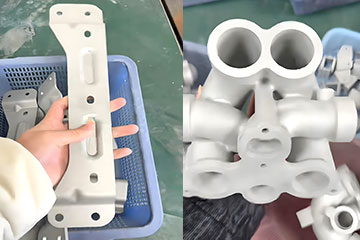
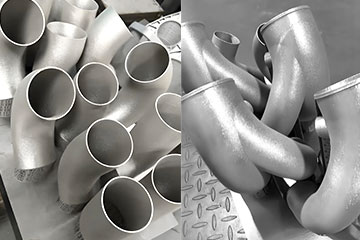
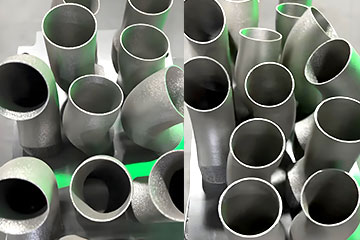
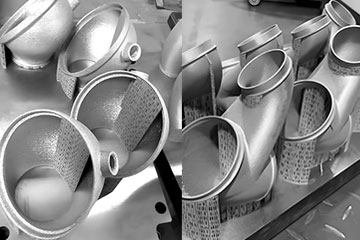
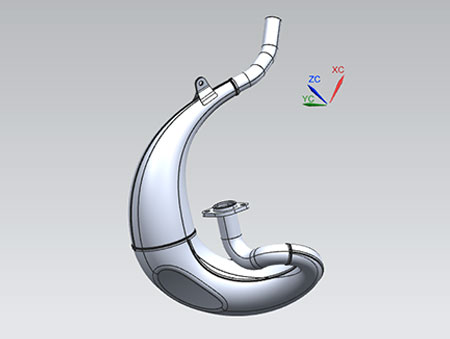
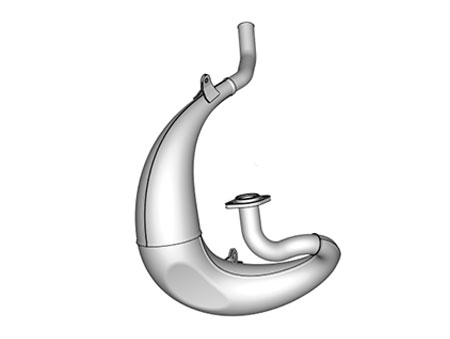
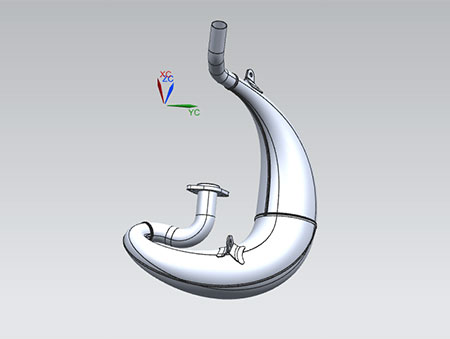
About Custom 3D Printing Expansion Chamber (Tuned Pipe, Two-Stroke Exhaust Pipe)
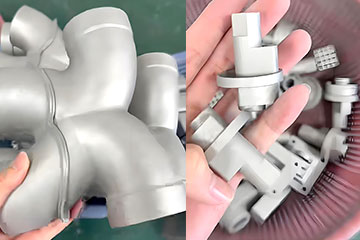
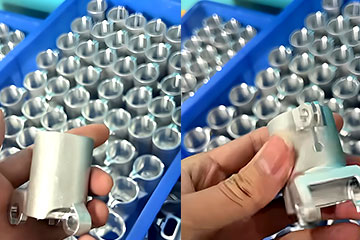
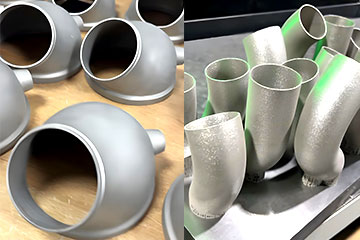
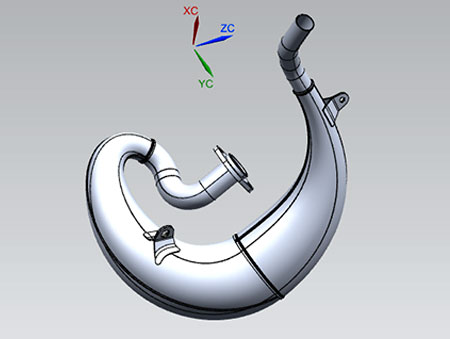
We specialize in 3D printing Expansion Chambers for two – stroke internal combustion engines in off – road motorcycles, karts, and small – scale two – stroke equipment.
There is no MOQ, and we provide rapid prototyping service, since we have both high-end metal 3D printers and CNC machines.
Testimonials from Overseas B2B Clients

“I was very worried that something bad would happen. But after receiving the product, I found that my worry was totally unnecessary. DT 3D Printing is a very reliable factory with guaranteed quality.”

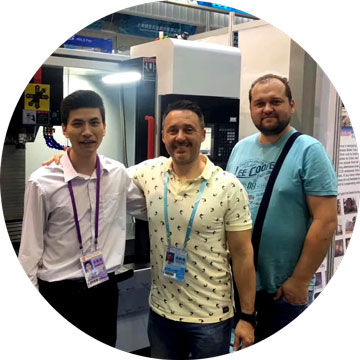
“The product quality is top – notch, the craftsmanship is exquisite, the printing effect is excellent, and the delivery speed is really fast. Overall, it offers great value for money, and I’m extremely satisfied.”
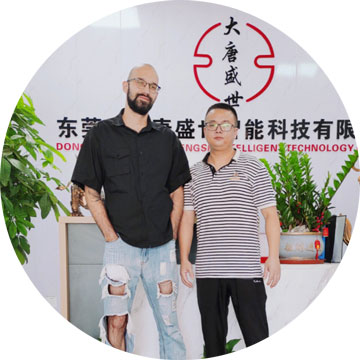

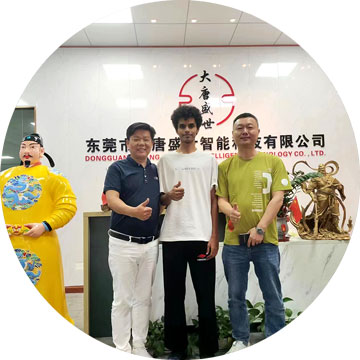
“The printing quality is really great, and the price is quite affordable. The logistics speed is also fast. All in all, DT is a trustworthy factory, and we’ll keep cooperating with them in the long run.”




About us
1. We are SLM metal 3D printing specialists.
2. We print metal parts for automotive, medical, aircraft, aerospace, drone, and boat industries, using materials such as stainless steel, titanium, copper, aluminium and kinds of alloys.
3. We provide one-stop 3D printing service.
Our services include:
SLM / SLA / MJF / FDM / SLS / DLP and CNC / Surface Finishing
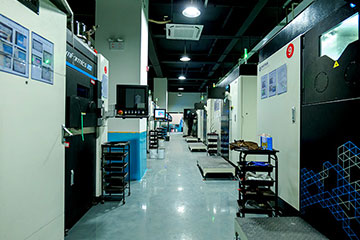
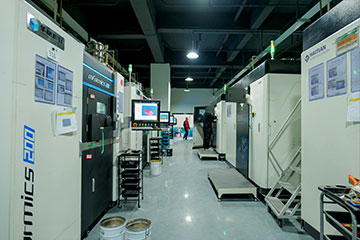
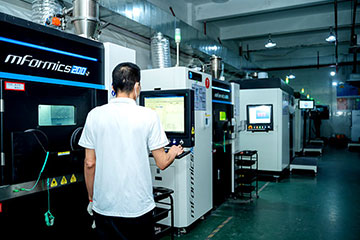
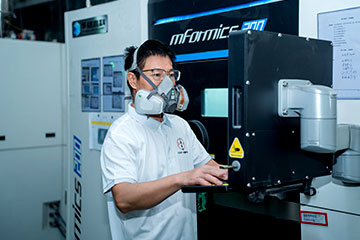
4. We own 30 SLM metal 3D printers and 60 plastic 3D printers, and the numbers keep growing.
5. We are a source factory for many global 3D institutions/companies.
3D – Printing Expansion Chamber Introduction
I. Introduction to Expansion Chamber
An Expansion Chamber is a key element in two – stroke engines, significantly enhancing their performance. Functioning as a specialized exhaust component, it’s designed to manipulate the flow of exhaust gases in a way that optimizes engine power and efficiency.
When an engine expels exhaust gases, the Expansion Chamber’s unique shape creates pressure waves. These waves serve a dual purpose. Firstly, they help in scavenging the remaining exhaust from the combustion chamber, ensuring a cleaner burn. Secondly, they assist in drawing in a fresh charge of fuel – air mixture, improving the engine’s volumetric efficiency. This ultimately leads to increased power output, better fuel economy, and reduced emissions. The design of an Expansion Chamber is highly tailored to the specific engine’s characteristics, such as displacement, RPM range, and intended use, whether it’s for a high – performance motorcycle or a small – engine power equipment.
II. Advantages of 3D Printing for Expansion Chamber
Design Freedom
3D printing revolutionizes the design process of Expansion Chambers. Traditional manufacturing techniques are often restricted in terms of the complexity of shapes they can produce. In contrast, 3D printing enables the creation of chambers with highly intricate internal and external geometries. Engineers can design variable – cross – sectional areas, complex bends, and unique internal structures that precisely control the pressure waves. This level of design flexibility allows for custom – made Expansion Chambers optimized for specific engine requirements, unlocking maximum performance potential.
Cost – effective Prototyping
Prototyping is a crucial step in developing new Expansion Chamber designs. 3D printing offers a cost – effective and time – efficient solution for this. Unlike traditional methods that require expensive tooling, 3D printing can directly produce prototypes from digital models. This not only reduces the upfront costs but also significantly shortens the prototyping cycle. Engineers can quickly test different design iterations, make adjustments, and move towards a refined design much faster, saving both time and money in the development process.
Small – batch and Custom Production
For niche markets or small – scale manufacturers, 3D printing is a game – changer. It allows for the production of small batches of customized Expansion Chambers. Whether it’s for a classic two – stroke engine restoration or a specialized racing application, 3D printing can meet the unique needs of these customers. This ability to produce small quantities of tailored parts is a distinct advantage over traditional mass – production – focused manufacturing methods, which may not be cost – effective for small – volume orders.
III. Common Metal Materials for 3D – Printed Expansion Chambers
Titanium
Titanium is a preferred material for 3D – printed Expansion Chambers due to its exceptional strength – to – weight ratio. In the context of an engine, where reducing weight is crucial for performance, titanium offers high strength while being relatively lightweight. It can withstand the high temperatures and pressures within the exhaust system, ensuring long – term durability. Additionally, titanium has good corrosion resistance, which is important considering the corrosive nature of exhaust gases.
Aluminum Alloys
Aluminum alloys are also widely used. They are lightweight, contributing to the overall reduction of the engine’s weight and improving its power – to – weight ratio. Aluminum alloys have excellent heat – dissipation properties, which is beneficial as the Expansion Chamber can get extremely hot during operation. This helps in maintaining the chamber’s performance and preventing heat – related damage to other engine components. They are also relatively easy to 3D print, making them a practical choice for production.
Stainless Steel
Stainless steel is known for its high durability and corrosion resistance. It can endure the harsh conditions of the exhaust system, including exposure to hot, corrosive gases. Stainless steel provides the necessary strength to withstand the mechanical stresses generated during engine operation. Although it is heavier compared to titanium and aluminum alloys, its reliability makes it an ideal choice for applications where long – lasting performance and resistance to wear and tear are top priorities.
How to Lower Procurement Costs?
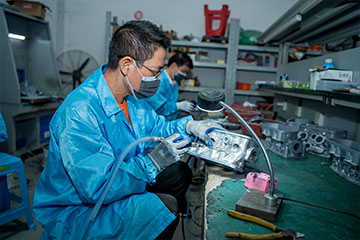
Work with suppliers just like DT who offers post-processing bundles (heat treatment, sanding, finishing) to avoid extra markup from separate vendors, since DT provides one-stop service with their 33 high-end industrial SLM 3D printers and 14 CNC machines for post-processing.
Our advantage lies in SLM metal printing, as we have 33 expensive SLM 3D metal printers (and the number is still growing).
Welcome to consult.
There is no MOQ (Minimum Order Quantity) limit here. We can customize even just one piece for you.