
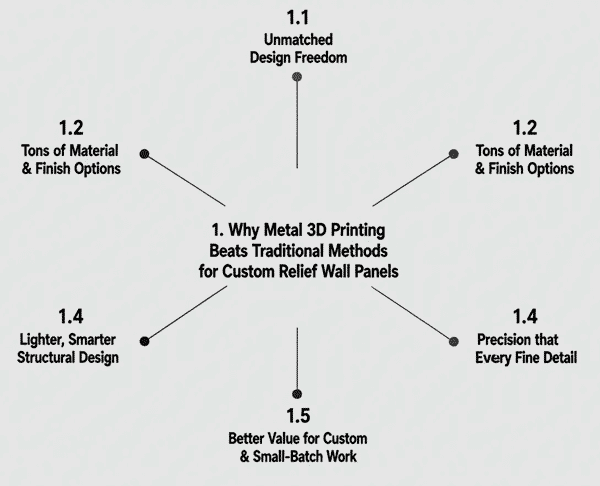
1. Why Metal 3D Printing Beats Traditional Methods for Custom Relief Wall Panels

If you’ve ever commissioned a custom metal relief wall for a high-end project, you know the drill: old-school manufacturing comes with a long list of built-in limits. Metal 3D printing (powered by SLM, or Selective Laser Melting) fixes almost all of those pain points—and it’s not just a trendy gimmick. Here’s what makes it the best pick for one-of-a-kind sculptural wall pieces.
1.1 Unmatched design freedom
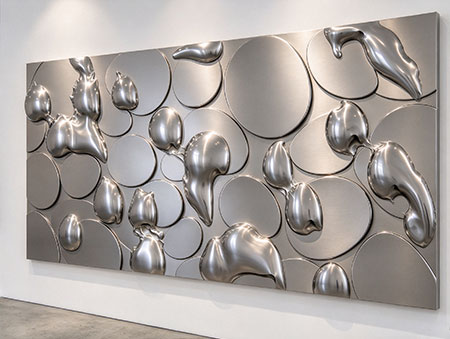
This is the biggest win by far. 3D printing blows past all the constraints of casting, CNC milling, or hand forging. There are no draft angle rules, no tool path restrictions, no “we can’t make that shape” pushback. You can go for organic flowing forms, asymmetrical layouts, gradual relief depth shifts, perforated textures, even undercut structures that would be impossible with any other method. There’s also no expensive tooling to lock you into a design. We can produce a single fully custom panel, and tweak the design anytime just by updating the digital file. Iterations are fast and low-cost, so you can refine the look right up until production starts. It also picks up every subtle detail from an artist’s original work—from soft brushstroke texture to fine surface patterns—so the finished piece feels like a true sculptural work, not a mass-produced copy.
1.2 Tons of material and finish options
We work with industrial-grade metals matched to every project style and environment:
- 316L stainless steel: top-tier corrosion resistance, perfect for outdoor or humid spaces
- AlSi10Mg aluminum: ultra lightweight, ideal for large wall installations where weight load matters
- Titanium alloy: premium high-end feel with unbeatable durability
- Copper alloys: warm, vintage aesthetic for classic or rustic designs
Pair that with a full lineup of surface finishes to match your exact vision:
- Base options: bead blasting, brushing, polishing, matte finish, passivation
- Upgraded options: anodizing (for aluminum), PVD vacuum coating (for stainless steel and titanium—think titanium gold, rose gold, matte gunmetal), chemical coloring, and antique patina finishes
1.3 Precision that preserves every fine detail
SLM technology delivers micron-level accuracy, so we can replicate even the most delicate textures in your 3D model. Transitions between relief depths are smooth, edges are crisp, and the overall shape matches your design file exactly. Unlike hand-finished work, every panel in a run comes out 100% consistent—no random variation from piece to piece.
1.4 Lighter, smarter structural design
One underrated perk of 3D printing is that we can fully optimize the back of the panel without touching the decorative front face. We use internal lattice structures to cut down on weight while keeping full structural strength. Panels end up 30–60% lighter than solid cast panels of the same size, which takes major stress off your wall and makes installation far simpler. We can also print mounting points and embedded nuts directly into the panel in one single print run. No extra welding, no visible seams—just a clean, uninterrupted look.
1.5 Better value for custom and small-batch work
Let’s be straightforward about costs: for huge runs of identical standard panels, traditional stamping or casting will still be cheaper per unit. But for custom one-off pieces or small batches? Metal 3D printing wins hands down. There’s no expensive tooling fee, no long setup time, and we can turn a finished panel around in 1–2 weeks once the design is locked in. When you factor in design flexibility, faster lead times, and zero retooling costs for changes, it’s easily the most cost-effective option for high-end custom projects.
2. Our End-to-End Custom Process: From Your Idea to Installed Wall

We’ve streamlined the whole workflow to make custom panels as straightforward as possible. Here’s how it works step by step.
2.1 Share your design
We accept almost any starting point, no fully finished 3D file required:
- Artist sketches, reference photos, or even just a description of the style and theme you want
- 3D scans of existing physical sculptures
- STEP or STL files if you already have a finished 3D model
2.2 Design optimization & DFM review
This is the step that guarantees your panel prints well and holds up long-term. We check wall thickness, relief height, overhang angles, and other parameters to make sure they fit 3D printing specs. We optimize support structures to minimize visible marks on the finished face, plan out split-and-join layouts for extra-large pieces, add lightweight lattice internals, and pre-design all mounting points.
2.3 SLM metal 3D printing
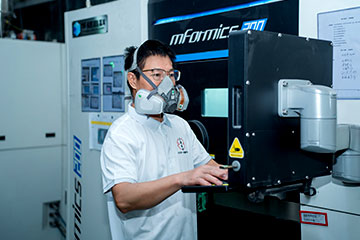
We print your panel in a controlled inert-gas vacuum chamber, using a high-power laser to melt metal powder layer by layer. The whole process is digitally controlled, so you get consistent, repeatable results every single time.
2.4 Precision post-processing
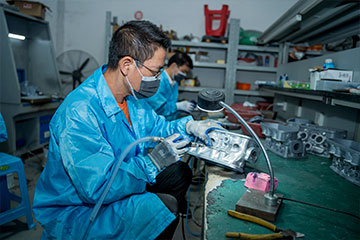
First we remove all support structures and smooth the surface. Then we apply your chosen finish—whether that’s bead blasting, PVD coating, or a custom patina. Every panel goes through full dimensional, strength, and visual quality checks before it leaves our facility.
2.5 Mounting hardware prep
We supply all the matching hardware you need: custom mounting backplates, stainless steel brackets, screws, and detailed installation drawings so your on-site team can install everything accurately.
2.6 Shipping & on-site support
We pack every panel with shock-absorbent, scratch-resistant materials to prevent damage in transit. For large-scale projects, we can also provide on-site installation guidance and technical support.
3. Where These Panels Shine Best

These 3D printed relief panels are built for spaces that need to stand out with a premium, one-of-a-kind look. Here are the most common use cases we see:
- High-end commercial spaces: Five-star hotel lobbies, luxury club reception areas, high-end retail feature walls, fine dining restaurant accent walls
- Corporate offices & showrooms: Brand culture walls, showroom art installations, executive conference room backdrops
- Luxury real estate: Sales center feature walls, model home entryway or master bedroom accent walls, high-end residential lobby features
- Public & cultural buildings: Art museums, exhibition halls, theater lobbies, airport and high-speed rail station public art installations
- Private luxury homes: Custom interior art walls for villas, outdoor metal feature walls for courtyards
4. What to Consider Before You Start (It’s Not Right for Every Project)
We’re big fans of this technology, but we’re not going to pretend it’s perfect for every job. Here are the key limitations and practical points to plan for.
4.1 Single-piece size limits
Current mainstream industrial SLM printers max out at around 800×400×500mm per single piece (exact numbers vary by machine). For larger walls, we split the design into modular panels that join together on site. We design the seams to be as subtle as possible, and we can even integrate them into the pattern of the relief itself.
4.2 Know the cost sweet spot
As we noted earlier, 3D printing shines for custom, one-off, and small-batch projects. If you need thousands of identical standard panels, traditional manufacturing methods will give you a lower per-unit cost.
4.3 Design rules still apply
Not every design can be printed exactly as-is. There are minimum wall thicknesses, maximum overhang angles, and other guidelines we need to follow. We always recommend doing a DFM (Design for Manufacturing) review early in the process, so we can flag any issues before you lock in your design. It saves a ton of time and revisions down the line.
4.4 Installation & maintenance tips
- Always calculate your wall’s load capacity before installation to make sure mounting is safe and secure
- For outdoor use, stick to 316L stainless steel or titanium with a corrosion-resistant finish—they’ll hold up to sun, rain, and temperature swings without rusting or fading
- For day-to-day cleaning, use a soft cloth and mild cleaner. Avoid harsh chemicals and abrasive scrubbers that can scratch the finish.
5. Project Spotlight: Ocean-Themed Relief Wall for a Coastal Luxury Hotel

Let’s walk through a recent project to show how this all comes together in the real world.
Project background
A five-star coastal hotel needed a 6m wide × 2.4m tall ocean-themed metal relief wall for their main lobby. The design called for flowing wave textures with delicate perforated water patterns, a matte titanium gold finish, and strict weight limits for the wall structure. The whole project had to be completed in just 20 days.
The challenge
The natural, gradual wave shapes and fine perforated details were impossible to produce cleanly with traditional casting or CNC. On top of that, the 20-day timeline was less than half the 45+ days traditional tooling and casting would have taken.
Our solution
We used SLM metal 3D printing with AlSi10Mg aluminum, with an internal lattice structure to cut weight. The full wall was split into 8 modular panels, each with hidden seams and matching mounting points. We finished everything with a matte titanium gold PVD coating for that premium metal look and strong weather resistance.
Results
The finished wall perfectly captured the flowing, organic feel of the original design. The seams between panels are barely visible once installed. Overall weight was 45% lighter than an equivalent solid cast wall, which made installation much easier and stayed well under the wall’s load limit. From final design sign-off to completed installation, the whole project took just 18 days—two days ahead of schedule. The hotel and their design team both loved the final result.
6. Wrapping Up + Next Steps
Metal 3D printing has completely flipped the script for sculptural relief wall panels. Instead of manufacturing limits dictating what you can design, your creativity drives the process. For high-end custom projects that need a unique artistic look, fast turnaround, and reliable quality, it’s hands down the best option available right now. As materials and printers keep improving, we’ll only see more and more of these panels in public art, commercial spaces, and luxury homes.
If you’re an architect, interior designer, developer, or contractor working on a custom relief wall project, send us your drawings or concept. We’ll give you a free DFM review, transparent pricing, and a full custom plan tailored to your project.
7. Frequently Asked Questions
Q: Can you turn a 2D image into a metal relief panel? A: Absolutely. We use professional 2D-to-3D modeling to convert photos, sketches, or reference images into a full 3D relief model. We can adjust the depth, texture density, and layering to match what you want, and we’ll send you a preview for approval before we start printing.
Q: What’s the maximum size of a single panel? A: Most of our standard industrial SLM printers can produce single pieces up to roughly 800×400×500mm (sizes vary slightly by machine). For larger walls, we always use modular panel systems that join together seamlessly on site. We can make the seams as subtle as possible, or even design them to blend into the relief pattern.
Q: Can 3D printed metal relief panels be used outdoors? A: Yes, as long as you pick the right materials and finish. We recommend 316L stainless steel or titanium alloys with a corrosion-resistant coating like passivation or PVD. These hold up great to sun, rain, humidity, and temperature changes, and won’t rust, warp, or fade over time.
Q: What surface finishes are available? A: We have standard options like bead blasting, matte, brushed, polished, and passivated. For more customization, we offer anodizing for aluminum, and PVD vacuum coating for stainless steel and titanium (available in titanium gold, rose gold, gunmetal black, and more). We also do chemical coloring and antique patina finishes for vintage or aged looks.
Why choose us?
- Special Offer for New Clients
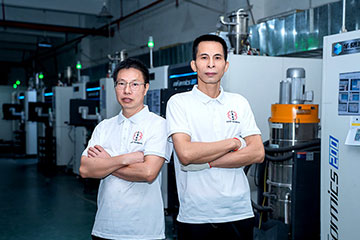
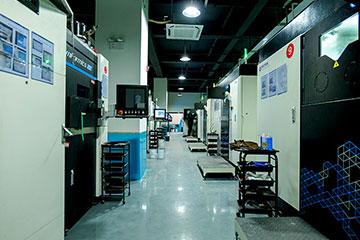
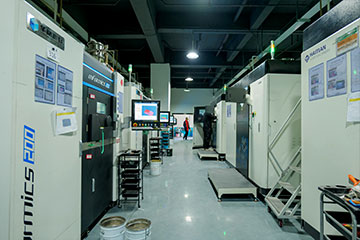
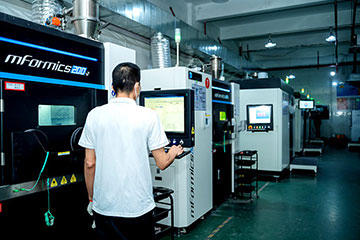
2. We provide in-house manufacturing with 33 high-end industrial SLM metal 3D printers, 14 CNC machines and 50 BJ 3D printers (Owned by another factory in which DT have an investment).
3. Our strength lies in SLM metal printing. We own 33 premium SLM metal 3D printers, most costing around $150,000 each, and our fleet is still expanding.
4. No MOQ (Minimum Order Quantity) required. We can customize even a single piece for you.
Feel free to contact us for inquiries.
There is no MOQ (Minimum Order Quantity) limit here. We can customize even just one piece for you.
Welcome to consult.