
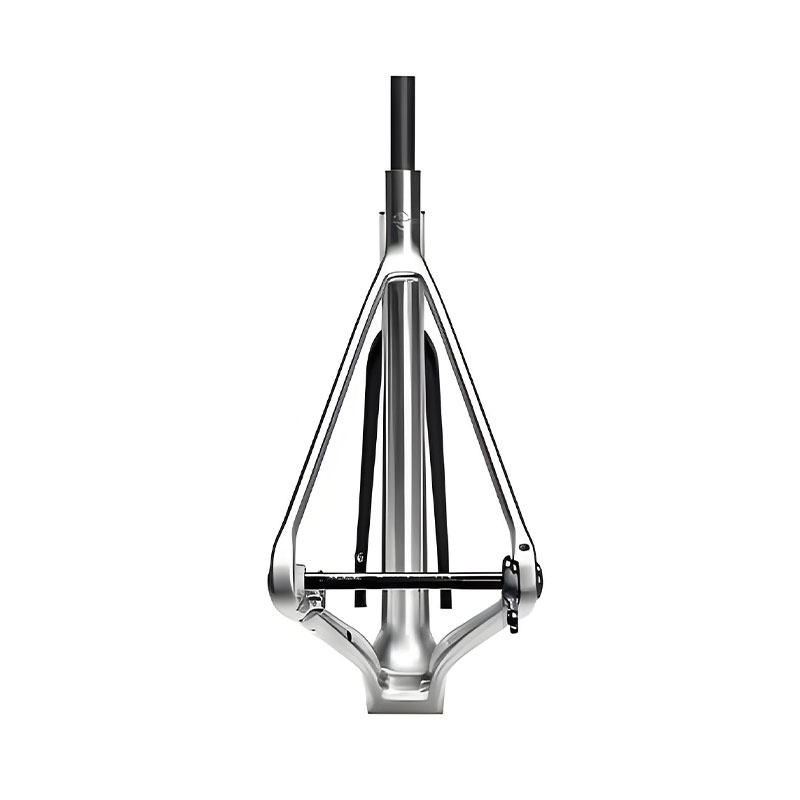
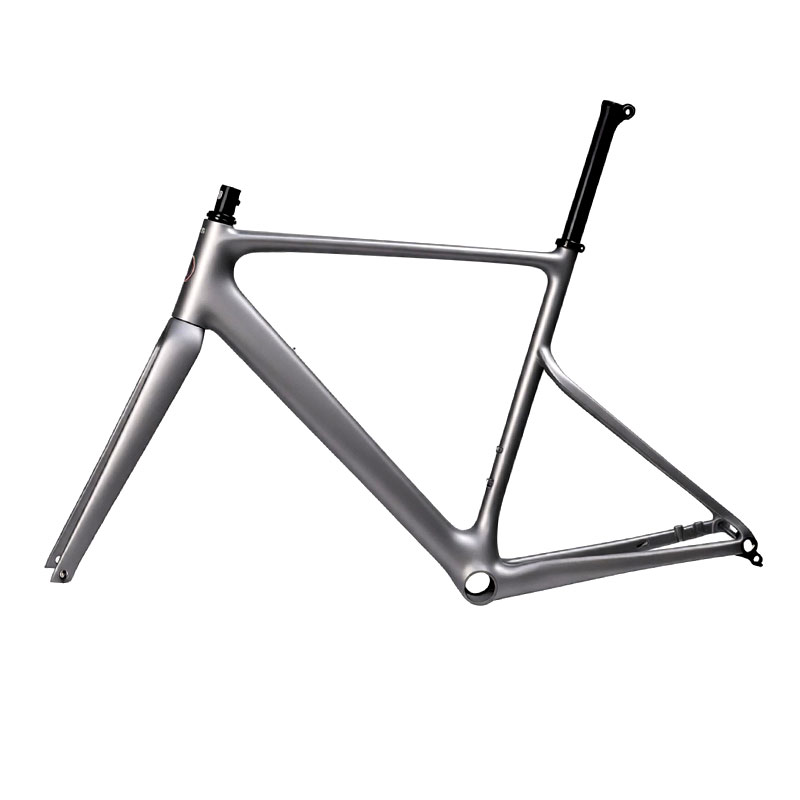
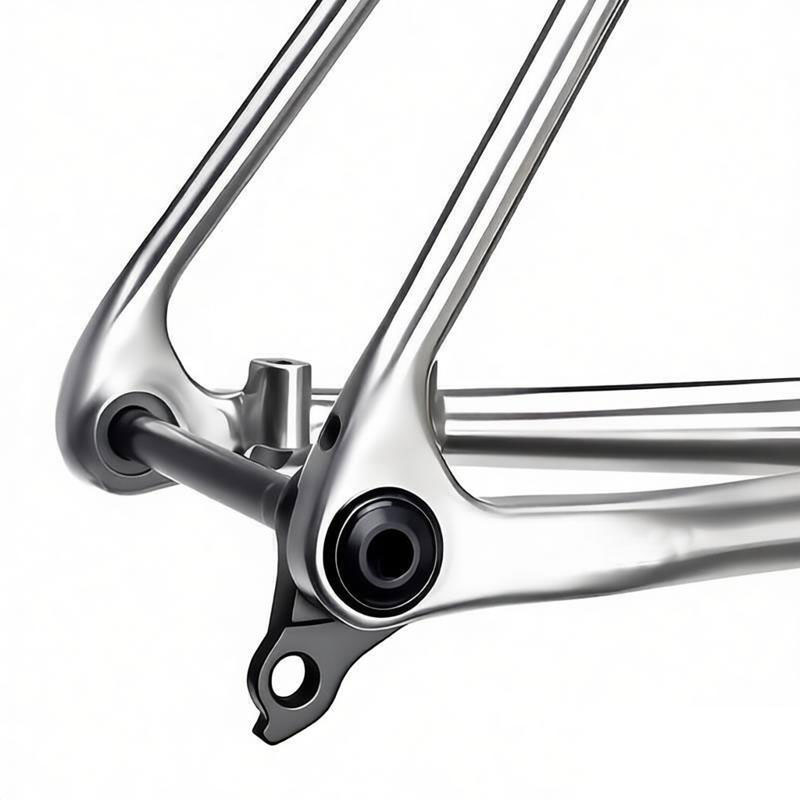
Introduction to Custom Ti-6Al-4V & Steel 3D Printed Bike Frames for Road & Gravel Bikes
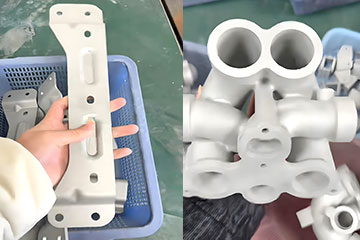
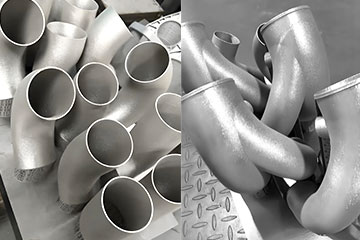
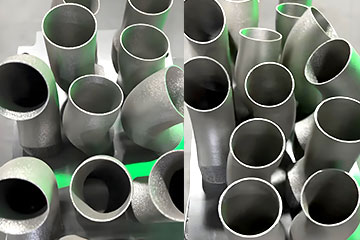
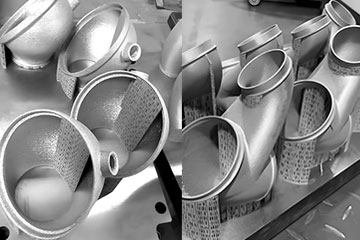
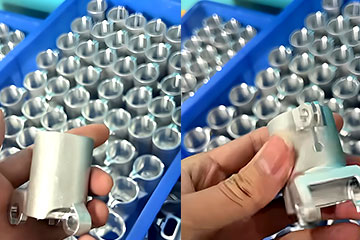
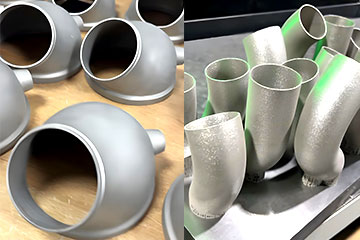
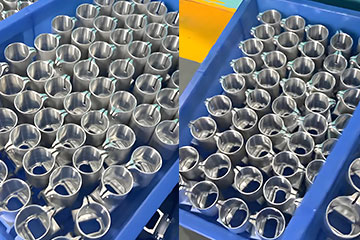
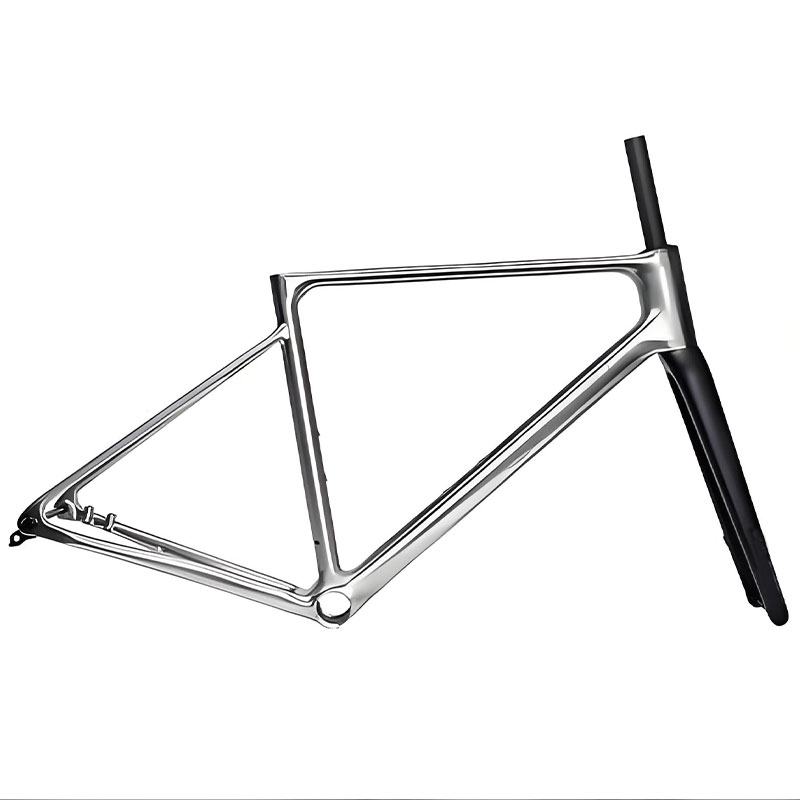
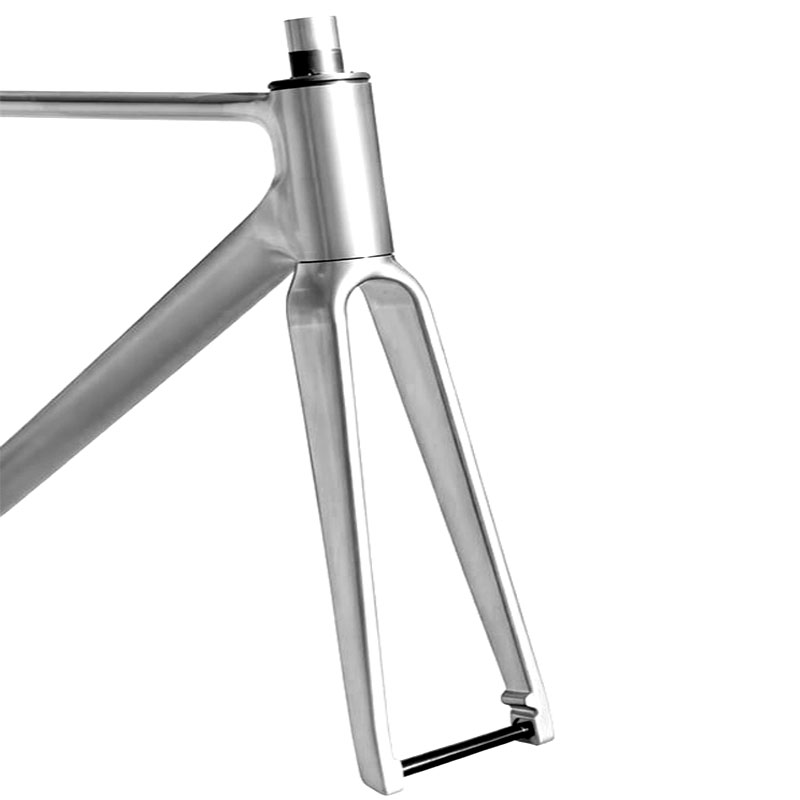
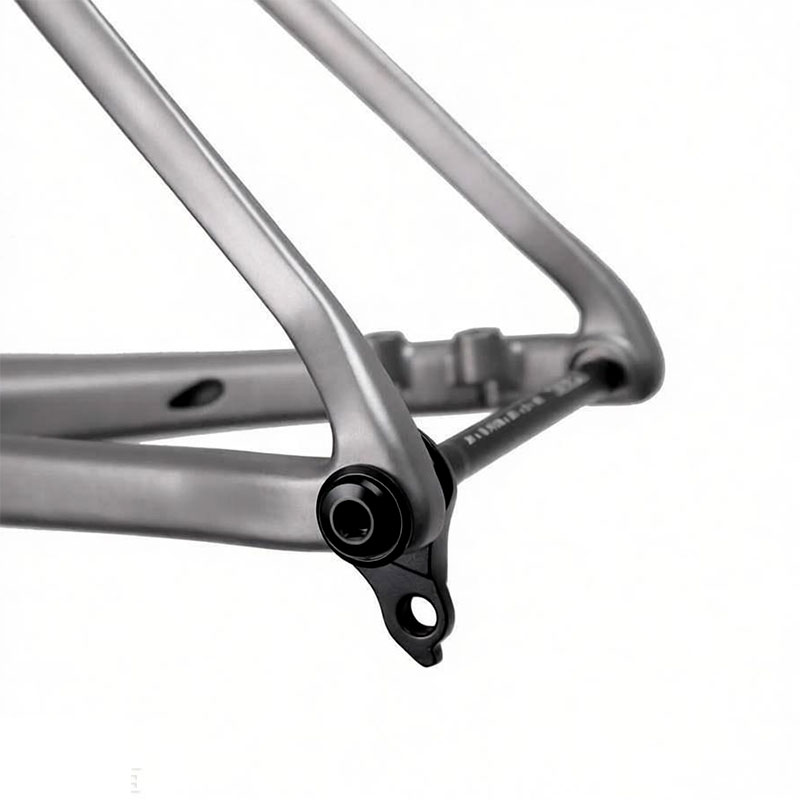
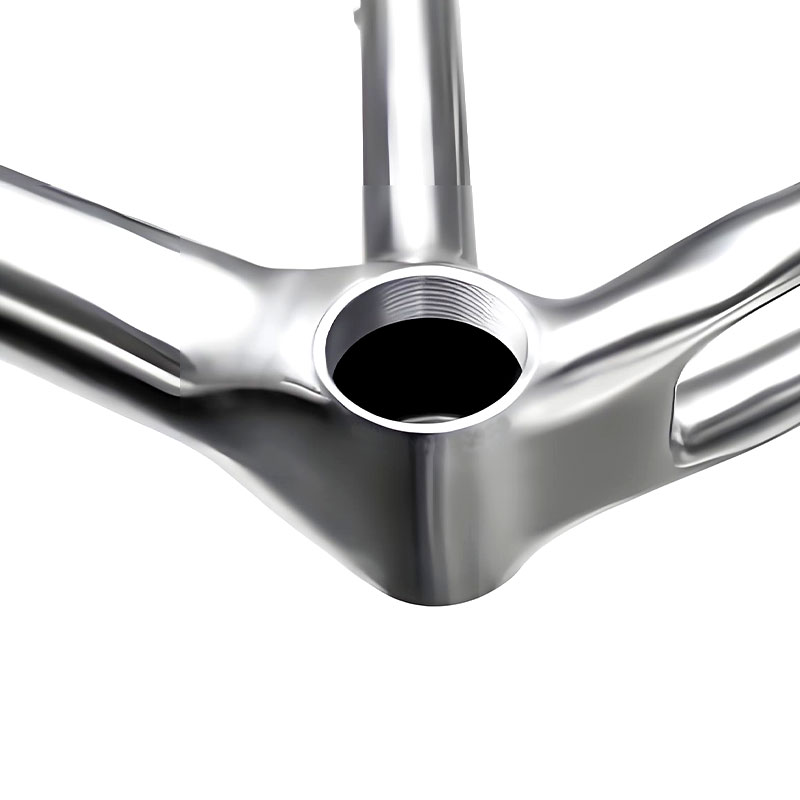
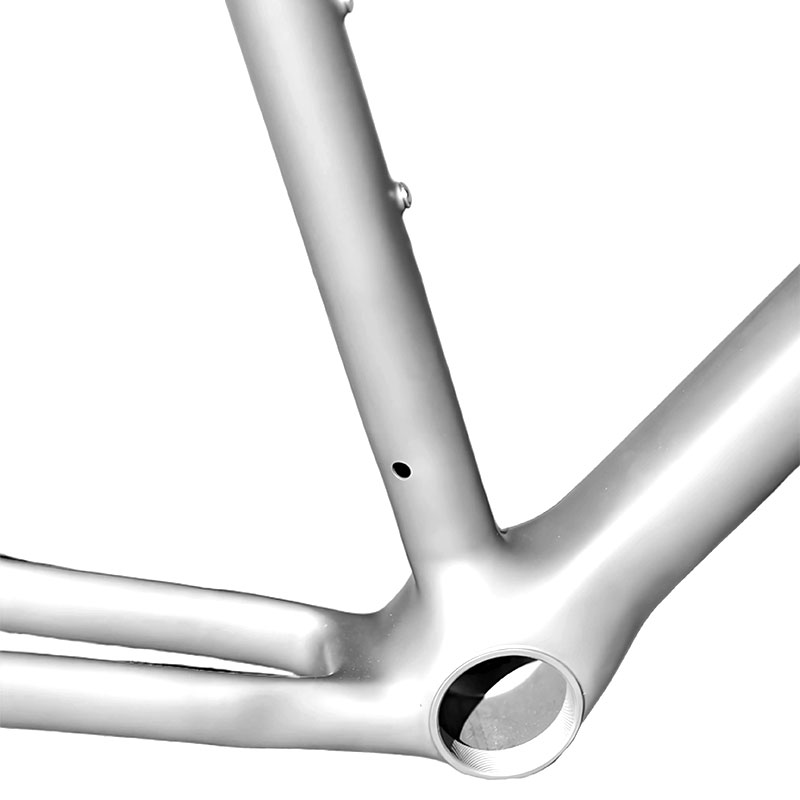
We are a source factory, specialize in 3D printed titanium bike frames using high-performance Ti-6Al-4V titanium alloy, supporting custom road and gravel bicycle designs.
Our service includes full 3D printed titanium bikes and bespoke 3D printed bicycle frames, with options for steel 3D printed bike construction to meet your performance needs.
We deliver precision-engineered, lightweight, and durable 3D printed titanium bicycle frames with custom geometry and fast lead times for cycling enthusiasts and manufacturers.
Testimonials from Overseas B2B Clients
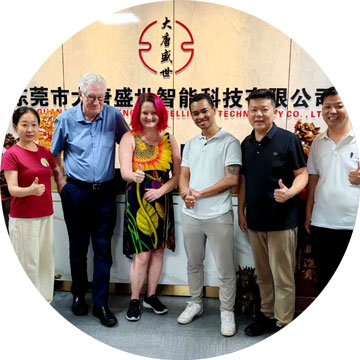
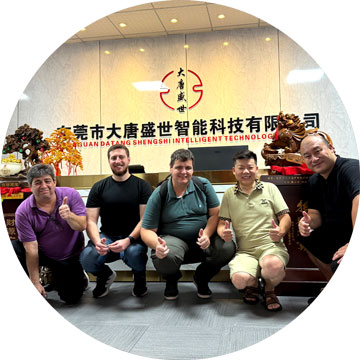
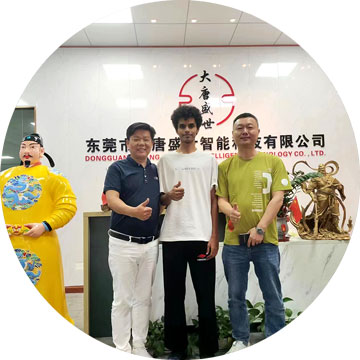
“I was very worried that something bad would happen. But after receiving the product, I found that my worry was totally unnecessary. DT 3D Printing is a very reliable factory with guaranteed quality.”
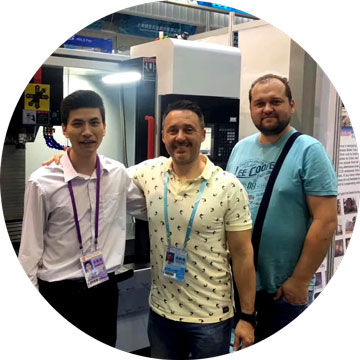
“The product quality is top – notch, the craftsmanship is exquisite, the printing effect is excellent, and the delivery speed is really fast. Overall, it offers great value for money, and I’m extremely satisfied.”
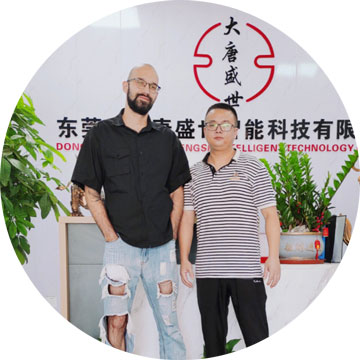
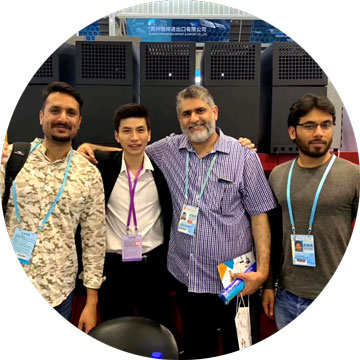
“The printing quality is really great, and the price is quite affordable. The logistics speed is also fast. All in all, DT is a trustworthy factory, and we’ll keep cooperating with them in the long run.”



About us
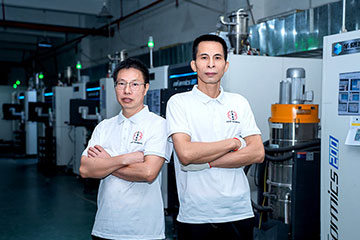
1. We are a professional metal 3D printing manufacturer.
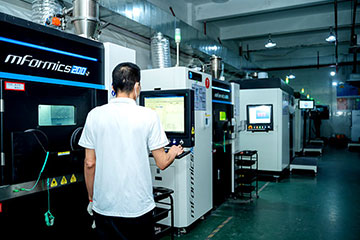
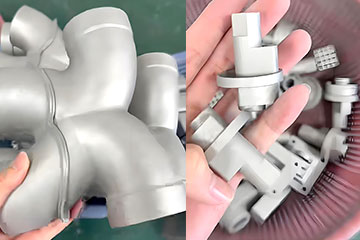
2. We 3D print metal parts for automotive, medical, aircraft, aerospace, drone, and boat industries, using materials such as stainless steel, titanium, copper, aluminium and kinds of alloys.
3. We provide one-stop 3D printing service.
Our services include:
SLM / BJ / SLA / MJF / FDM / SLS / DLP, CNC machining and post-processing
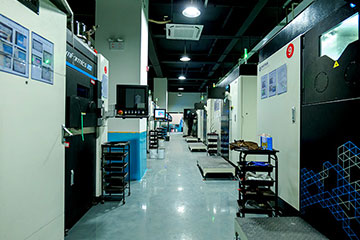
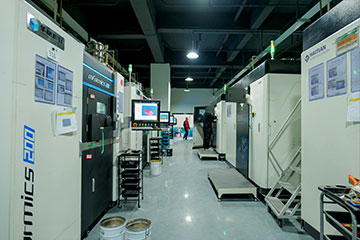
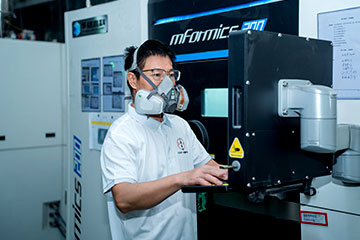
4. We own 33 SLM metal 3D printers, 14 CNC machining tools, 60 plastic 3D printers, 50 BJ 3D printers (owned by another company in which DT has invested), and the numbers keep growing.
5. We are a source factory for many global 3D printing service providers.
More about 3D Printing Bike Frame Service
3D printed bicycle frames have changed how we design, build, and customize bikes—here’s a straightforward breakdown of what makes them stand out, what they’re made of, which printing processes work best, and how to keep costs down.
Key Advantages of 3D Printing Bike Frames
First, they deliver unmatched customization—frames can be tailored to a rider’s body geometry, riding style, and performance needs for better comfort, power transfer, and reduced injury risk. Second, they let you create complex, lightweight structures like internal lattice reinforcements and aerodynamic shapes that are nearly impossible with traditional welding or machining, boosting strength-to-weight without extra bulk. Third, they cut lead times drastically: prototypes and small-batch frames go from CAD to finished part in days, not weeks. And since you only add material where needed, waste is minimal, making the whole process more efficient.
Common Materials Used in 3D Printing a Bike Frame
Most high-performance 3D printed frames use titanium alloys (Ti6Al4V) for exceptional strength, light weight, corrosion resistance, and vibration damping. For premium lightweight builds, continuous carbon fiber composites are popular, offering stiffness and low weight similar to high-end carbon frames. Aluminum alloys (like AlSi10Mg) are a cost-effective metal option, while high-performance polymers such as nylon with carbon fiber fill work well for non-load-critical frame components and recreational frames.
Typical 3D Printing Technologies Used in Printing a Bike Frame
For metal frames, Selective Laser Melting (SLM) is the go-to—it fuses metal powder layer by layer for dense, durable structural parts.
And DT is SLM speciallists, with their 33 X $150,000/each worth SLM 3D printers.
Direct Energy Deposition (DED) is used for larger frame sections or repairs.
For carbon fiber composite frames, Automated Fiber Placement (AFP) and Fused Filament Fabrication (FFF) with continuous fiber reinforcement are widely used.
Binder jetting is also gaining traction for affordable metal frame production at scale.
And DT provides Binder jetting (BJ) 3D printing service too.
How to Lower Procurement Costs?
Optimize your CAD design with topology optimization to reduce material use and print time without losing strength.
Choose standardized frame modules instead of fully custom one-offs to cut setup and programming costs.
Go for AlSi10Mg aluminum instead of titanium if your performance needs allow it—material and print costs drop sharply.
Group orders for small-batch production to share machine time and setup expenses across multiple units.
Use hybrid frame designs: 3D print only high-complexity lugs and joints, and pair them with conventional carbon or metal tubes to save on print volume.
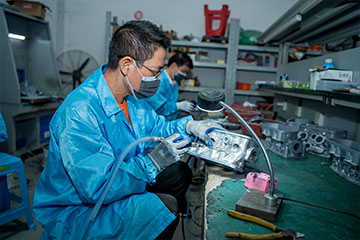
Work with suppliers just like DT who offers post-processing bundles (heat treatment, sanding, finishing) to avoid extra markup from separate vendors, since DT provides one-stop service with their 33 high-end industrial SLM 3D printers and 14 CNC machines for post-processing.
Our advantage lies in SLM metal printing, as we have 33 expensive SLM 3D metal printers (and the number is still growing).
Welcome to consult.
There is no MOQ (Minimum Order Quantity) limit here. We can customize even just one piece for you.