
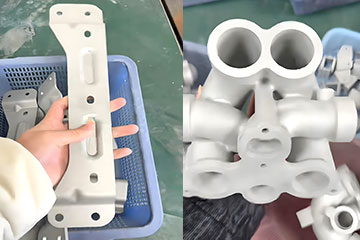
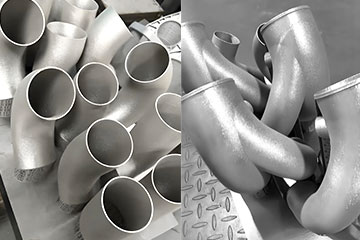
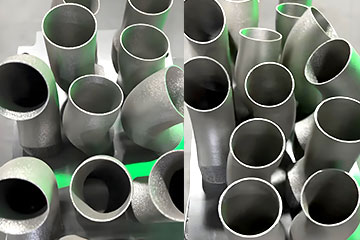
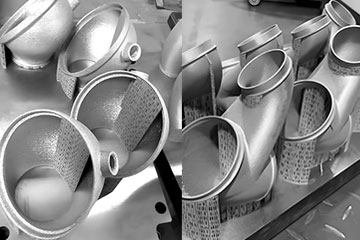
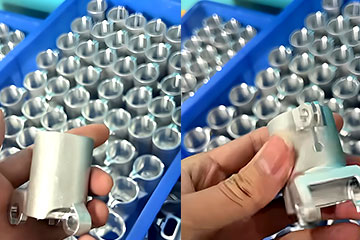
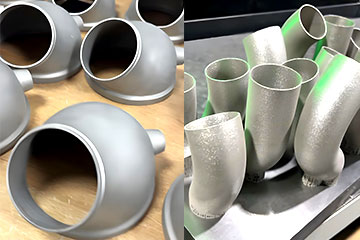
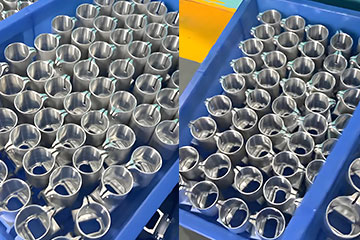
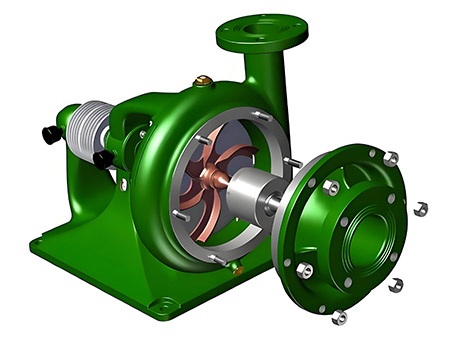
Breve introduzione alle pompe sommergibili personalizzate & Pompe dell’acqua stampate in 3D ad alta pressione
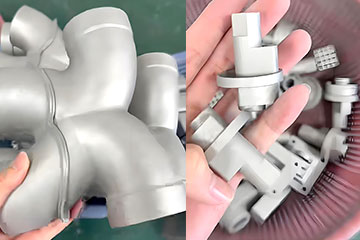
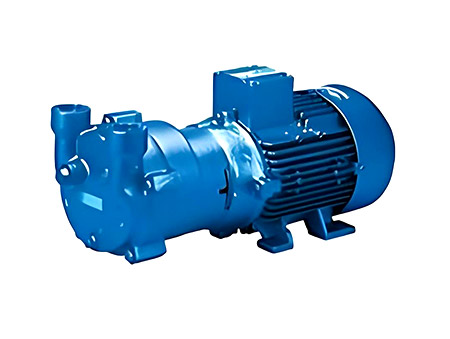
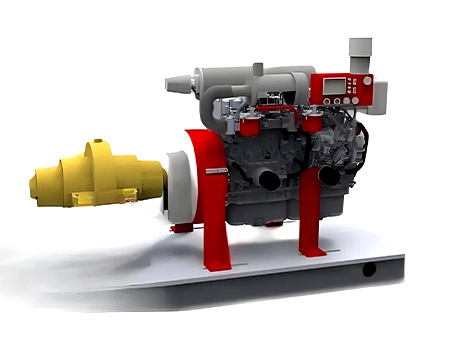
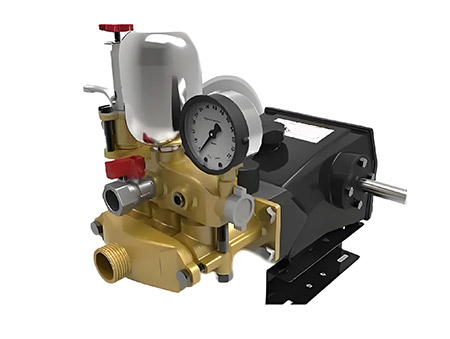
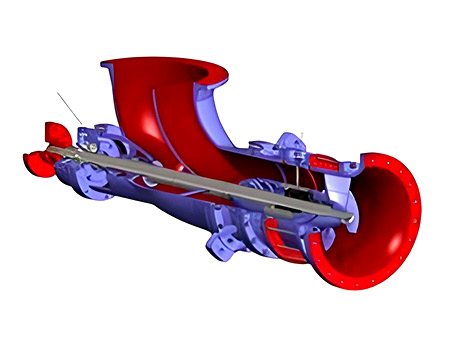
Siamo specializzati nella progettazione e nella produzione di pompe idrauliche stampate in 3D per varie applicazioni, mini di supporto, micro, sommergibile, ad alta pressione, Configurazioni delle pompe Venturi e a getto d’acqua.
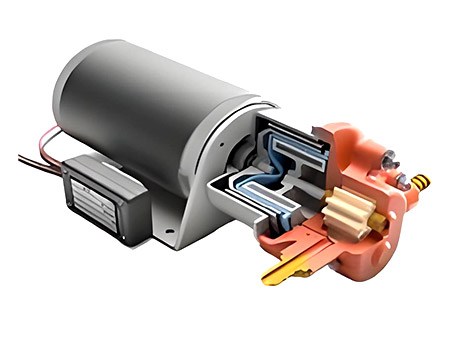
Le nostre soluzioni personalizzate includono pompe dell’acqua stampate in 3D compatibili con 775 motori, garantendo prestazioni eccezionali e un funzionamento affidabile per progetti su misura e uso industriale.
Dalle micro-pompe compatte ai modelli a getto d’acqua ad alta portata, Offriamo servizi di stampa 3D completamente personalizzabili per pompe dell’acqua, con prototipazione rapida e produzione durevole.
Testimonianze di clienti B2B dall’estero
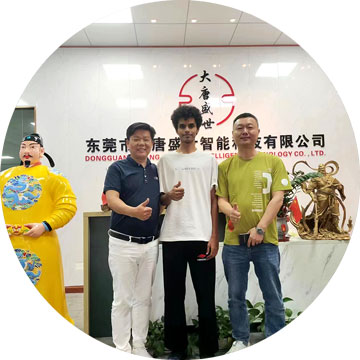
“Ero molto preoccupato che potesse succedere qualcosa di brutto. Ma dopo aver ricevuto il prodotto, Ho scoperto che la mia preoccupazione era del tutto infondata. DT 3D Printing è un’azienda molto affidabile con qualità garantita.”
“La qualità del prodotto è eccellente – notch, La maestria artigianale è squisita, L'effetto di stampa è eccellente, e la velocità di consegna è davvero veloce. In generale, offre un ottimo rapporto qualità-prezzo, e sono estremamente soddisfatto.”

“La qualità di stampa è davvero ottima, e il prezzo è piuttosto conveniente. Anche la logistica è veloce. In sintesi, DT è un’azienda affidabile, e continueremo a collaborare con loro nel lungo periodo.”



Chi siamo
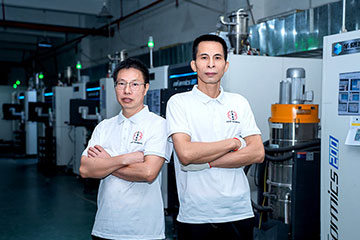
1. Siamo specialisti nella stampa 3D in metallo SLM.
2. Realizziamo parti metalliche in stampa 3D per il settore automobilistico, medico, aeromobile, aerospaziale, drone, e il settore nautico, utilizzando materiali come l’acciaio inossidabile, titanio, rame, alluminio e tipi di leghe.
3. Offriamo un servizio completo di stampa 3D.
I nostri servizi includono:
SLM / SLA / MJF / FDM / SLS / DLP e CNC / Finitura superficiale
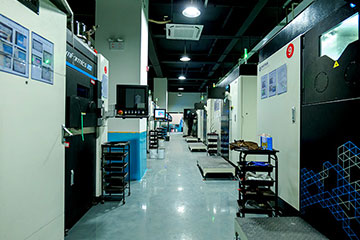
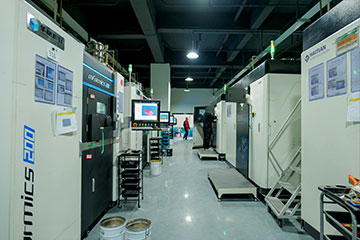
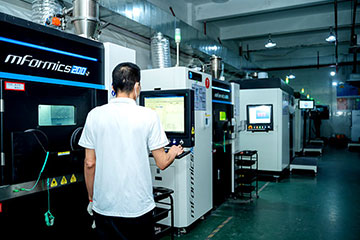
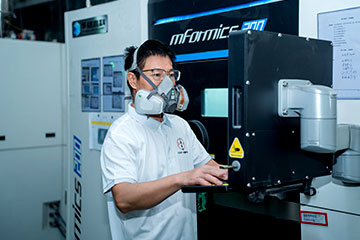
4. Possediamo 33 Stampanti 3D in metallo SLM e 60 stampanti 3D in plastica, e i numeri continuano a crescere.
5. Siamo un fornitore di riferimento per molte istituzioni e aziende globali nel settore della stampa 3D.
Maggiori informazioni sul servizio di stampa 3D per pompe dell’acqua
I. I vantaggi della stampa 3D nella produzione di pompe
Libertà creativa
3La stampa 3D libera i progettisti di pompe dai vincoli della produzione tradizionale. Possono creare geometrie interne complesse, come le pale della girante ottimizzate con forme complesse. Questi progetti migliorano l'efficienza del flusso dei fluidi, riduzione del consumo energetico. Ad esempio, La girante può essere progettata per ridurre al minimo le turbolenze, garantendo un trasferimento dei fluidi più fluido ed efficiente.
Personalizzazione
Ogni applicazione di pompaggio ha requisiti specifici. 3La stampa 3D consente la produzione di pompe altamente personalizzate. Che si tratti di una pompa per un processo industriale specializzato o di una piccola – uso agricolo su larga scala, le dimensioni, capacità, e le caratteristiche prestazionali possono essere personalizzate con precisione. Questo è particolarmente utile per i mercati di nicchia in cui... – il – Le pompe da scaffale potrebbero non essere adatte allo scopo.
Prototipazione rapida e tempi di consegna brevi
Con la stampa 3D, il tempo che intercorre tra l’idea iniziale e il prototipo è notevolmente ridotto. Gli ingegneri possono testare e perfezionare rapidamente i progetti delle pompe. In caso di ricambi urgenti o piccoli – produzione in serie, I tempi di consegna sono molto più brevi rispetto ai metodi di produzione tradizionali. Questa agilità è fondamentale per mantenere la continuità operativa in vari settori.
Costo – efficacia per le piccole imprese – Produzione in serie
La produzione tradizionale di pompe comporta spesso costi di avviamento elevati per gli stampi. Per piccole tirature, questi costi possono essere un deterrente. 3La stampa 3D elimina la necessità di una produzione con stampi complessi, rendendolo un costo – opzione efficiente per la produzione di un numero limitato di pompe.
II. Tipi di pompe comunemente realizzate in 3D – Stampato
Pompe centrifughe
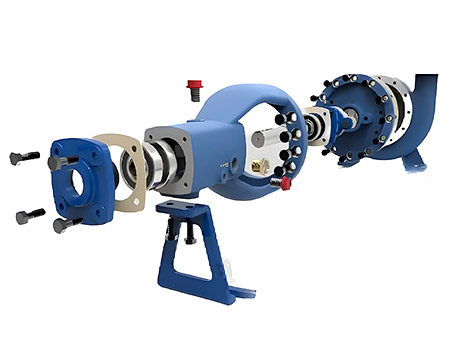
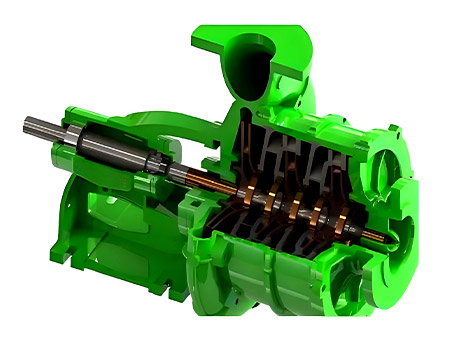
Le pompe centrifughe sono spesso in 3D – stampato. I loro complessi progetti di giranti e volute possono essere facilmente ottimizzati usando la tecnologia di stampa 3D. Queste pompe sono ampiamente utilizzate in settori come l’approvvigionamento idrico, trattamento delle acque reflue, e lavorazione chimica, dove un trasferimento efficiente dei fluidi è essenziale.
Pompe a diaframma
Pompe a membrana, che vengono utilizzati per applicazioni che richiedono una misurazione precisa dei fluidi, può anche essere efficacemente in 3D – stampato. La possibilità di personalizzare il diaframma e altri componenti garantisce un pompaggio preciso, rendendoli adatti alle attrezzature di laboratorio, lavorazione alimentare, e produzione farmaceutica.
Pompe peristaltiche
Pompe peristaltiche, noti per la loro delicata azione di pompaggio, sono un altro tipo di oggetto comunemente realizzato tramite la stampa 3D. I loro meccanismi a tubi e a rulli possono essere personalizzati per diverse portate e viscosità dei fluidi, rendendoli utili nei dispositivi medici, erogazione di bevande, e stampanti a getto d’inchiostro.
III. Materiali metallici comunemente utilizzati per le pompe
Acciaio inossidabile
L’acciaio inossidabile è una scelta molto diffusa grazie alla sua eccellente resistenza alla corrosione. È in grado di resistere a un'ampia gamma di fluidi, comprese le sostanze chimiche corrosive, rendendolo adatto alle pompe negli impianti chimici, impianti di trattamento delle acque, e le industrie di trasformazione alimentare.
Alluminio
L’alluminio è leggero ma offre una buona resistenza. Viene spesso utilizzato nelle scarpe con tacco, dove la riduzione del peso è importante, come nelle unità di pompaggio mobili o nelle applicazioni in cui la portabilità è un fattore chiave. Tuttavia, potrebbe essere necessario applicare ulteriori rivestimenti per proteggerlo da determinati fluidi.
Ghisa
La ghisa è nota per la sua elevata resistenza e robustezza. È in grado di sopportare pressioni elevate ed è comunemente utilizzato in grandi – pompe industriali di grandi dimensioni, come quelli presenti nelle centrali elettriche e nelle raffinerie di petrolio. Anche se è più pesante dell’alluminio, La sua robustezza lo rende una scelta affidabile per applicazioni di pompaggio impegnative.
Come ridurre i costi di approvvigionamento?
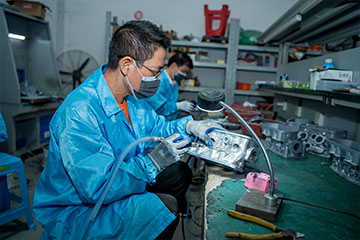
Collabora con fornitori proprio come DT, che offre pacchetti di post-elaborazione (trattamento termico, levigatura, finitura) per evitare costi aggiuntivi da fornitori esterni, visto che DT offre un servizio completo con il proprio 33 stampanti 3D industriali SLM di fascia alta e 14 Macchine CNC per la post-lavorazione.
Il nostro punto di forza è la stampa su metallo SLM, come abbiamo 33 costose stampanti 3D in metallo SLM (e il numero continua a crescere).
Benvenuto alla consulenza.
Non c'è un quantitativo minimo d'ordine (MOQ) (Quantità minima d'ordine) limite qui. Possiamo personalizzare anche un solo testo per te.