
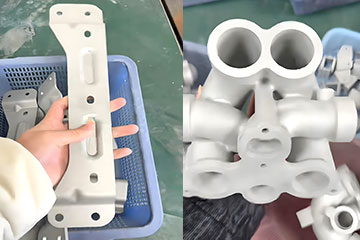
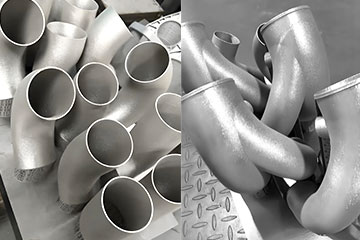
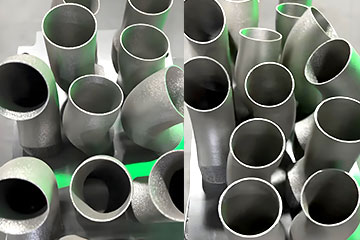
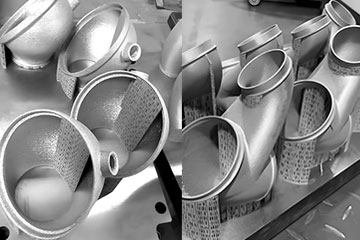
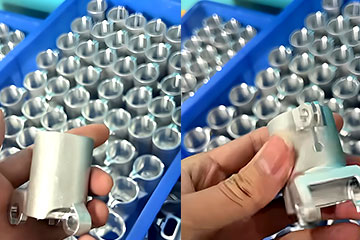
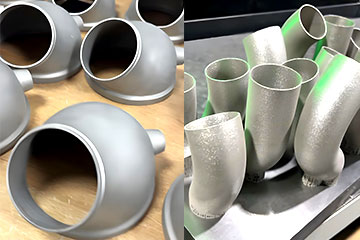
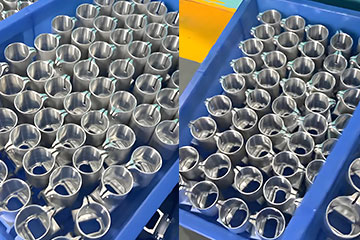
Breve introducción a los sumergibles a medida & Bombas de agua impresas en 3D de alta presión
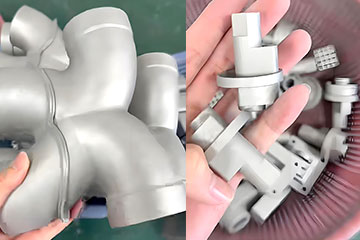
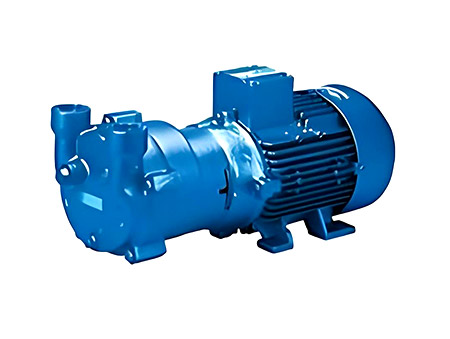
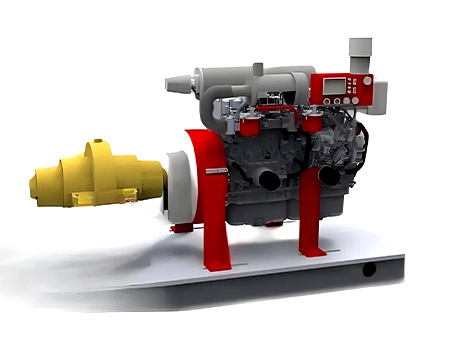
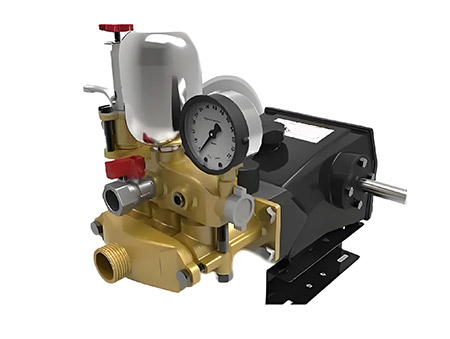
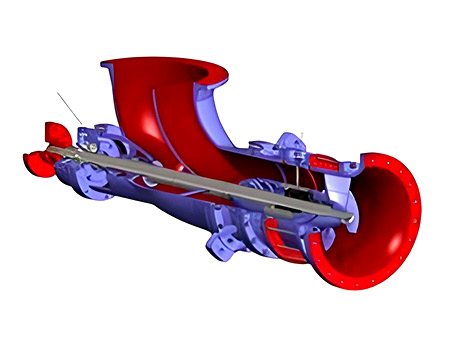
Nos especializamos en el diseño y la fabricación de bombas de agua impresas en 3D para diversas aplicaciones, mini de apoyo, micro, sumergible, alta presión, Configuraciones de bombas de chorro de agua y Venturi.
Nuestras soluciones personalizadas incluyen bombas de agua impresas en 3D compatibles con 775 motores, que ofrece un rendimiento potente y un funcionamiento fiable para proyectos a medida y uso industrial.
Desde microbombas compactas hasta diseños de chorro de agua de alto caudal, Ofrecemos impresión 3D totalmente personalizable para bombas de agua, con prototipado rápido y producción duradera.
Testimonios de clientes B2B internacionales
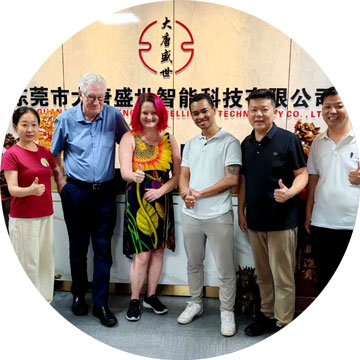
“Me preocupaba mucho que pasara algo malo. Pero después de recibir el producto, Me di cuenta de que mi preocupación era totalmente innecesaria. DT 3D Printing es una fábrica muy fiable con calidad garantizada.”
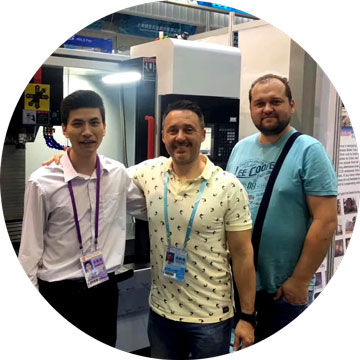
“La calidad del producto es excelente – notch, La artesanía es exquisita, El resultado de impresión es excelente, y la entrega es rapidísima. En general, ofrece una excelente relación calidad-precio, y estoy muy satisfecho.”
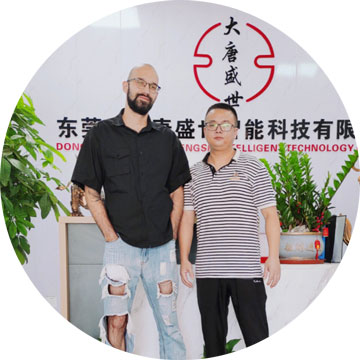
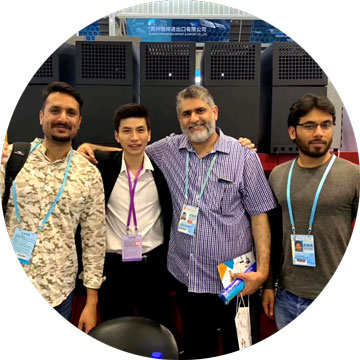
“La calidad de impresión es realmente excelente, y el precio es bastante asequible. La logística también es rápida. En resumen, DT es una fábrica de confianza, y seguiremos colaborando con ellos a largo plazo.”


Quiénes somos
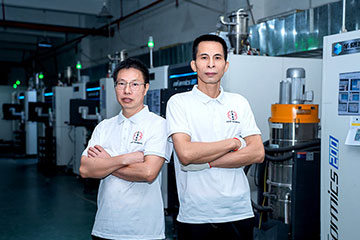
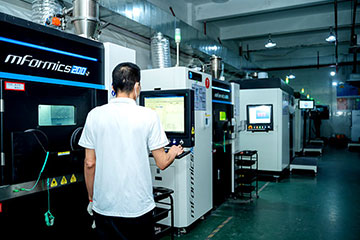
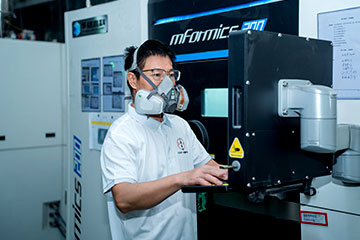
1. Somos especialistas en impresión 3D de metales SLM.
2. Imprimimos en 3D piezas metálicas para el sector de la automoción, médico, aeronave, aeroespacial, drone, y la industria náutica, utilizando materiales como el acero inoxidable, titanio, cobre, aluminio y tipos de aleaciones.
3. Ofrecemos un servicio integral de impresión 3D.
Nuestros servicios incluyen:
SLM / SLA / MJF / FDM / SLS / DLP y CNC / Acabado de superficies
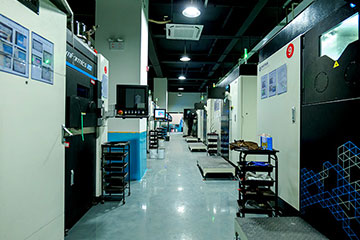
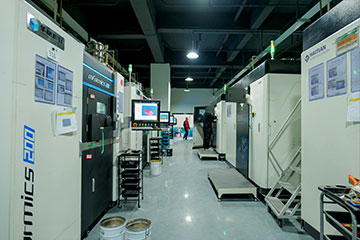
4. Somos propietarios de 33 Impresoras 3D de metal SLM y 60 impresoras 3D de plástico, y las cifras siguen creciendo.
5. Somos un proveedor de componentes para muchas instituciones y empresas de impresión 3D a nivel mundial.
Más información sobre el servicio de impresión 3D de bombas de agua
I. Ventajas de la impresión 3D para la fabricación de bombas
Libertad de diseño
3La impresión 3D libera a los diseñadores de bombas de las limitaciones de la fabricación tradicional. Pueden crear geometrías internas muy complejas, como los álabes de impulsor optimizados con formas complejas. Estos diseños mejoran la eficiencia del flujo de fluidos, reducir el consumo de energía. Por ejemplo, El impulsor se puede diseñar para minimizar las turbulencias, garantizando un trasvase de fluidos más fluido y eficiente.
Personalización
Cada aplicación de bombeo tiene requisitos únicos. 3La impresión 3D permite fabricar bombas altamente personalizadas. Ya sea una bomba para un proceso industrial especializado o una pequeña – uso agrícola a gran escala, las dimensiones, capacidad, y las características de rendimiento se pueden personalizar con precisión. Esto resulta especialmente beneficioso para mercados nicho en los que... – el – Puede que las bombas de estante no sean lo más adecuado.
Prototipado rápido y plazos de entrega cortos
Con la impresión 3D, El tiempo que va desde el concepto hasta el prototipo se reduce considerablemente. Los ingenieros pueden probar y perfeccionar rápidamente los diseños de las bombas. En caso de piezas de recambio urgentes o pequeñas – producción por lotes, Los plazos de entrega son mucho más cortos en comparación con los métodos de fabricación tradicionales. Esta agilidad es clave para mantener la continuidad operativa en diversos sectores.
Coste – eficacia para pequeñas – Producción por lotes
La fabricación tradicional de bombas suele implicar altos costes de puesta a punto para el utillaje. Para tiradas de producción pequeñas, Estos costes pueden ser un factor disuasorio. 3La impresión 3D elimina la necesidad de utilizar un gran número de herramientas, lo que lo convierte en un coste – una opción eficiente para fabricar un número limitado de bombas.
II. Tipos de bombas que suelen ser 3D – Impreso
Bombas centrífugas
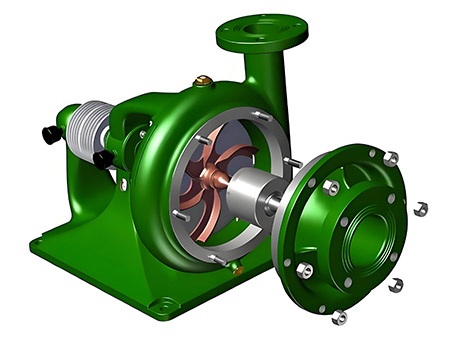
Las bombas centrífugas suelen ser 3D – impreso. Sus complejos diseños de impulsores y volutas se pueden optimizar fácilmente con tecnología de impresión 3D. Estas bombas se utilizan mucho en sectores como el suministro de agua, tratamiento de aguas residuales, y procesamiento químico, donde es esencial una transferencia de fluidos eficiente.
Bombas de diafragma
Bombas de diafragma, que se utilizan en aplicaciones que requieren una dosificación precisa de fluidos, también puede ser 3D de forma eficaz – impreso. La posibilidad de personalizar el diafragma y otros componentes garantiza un bombeo preciso, lo que los hace adecuados para equipos de laboratorio, procesamiento de alimentos, y la fabricación de productos farmacéuticos.
Bombas peristálticas
Bombas peristálticas, conocidos por su suave acción de bombeo, son otro tipo de objetos que se suelen fabricar mediante impresión 3D. Sus mecanismos de tubos y rodillos se pueden personalizar para diferentes caudales y viscosidades de los fluidos, lo que los hace útiles en dispositivos médicos, servicio de bebidas, y las impresoras de inyección de tinta.
III. Materiales metálicos habituales para bombas
Acero inoxidable
El acero inoxidable es una opción muy popular gracias a su excelente resistencia a la corrosión. Puede soportar una amplia gama de líquidos, incluidos productos químicos corrosivos, lo que lo hace adecuado para bombas en plantas químicas, instalaciones de tratamiento de agua, y las industrias de procesamiento de alimentos.
Aluminio
El aluminio es ligero, pero ofrece una buena resistencia. Se suele utilizar en bombas en las que es importante reducir el peso, como en unidades de bombeo móviles o aplicaciones en las que la portabilidad es un factor clave. Sin embargo, Puede que se necesiten recubrimientos adicionales para protegerlo de ciertos líquidos.
Hierro fundido
El hierro fundido es conocido por su gran durabilidad y resistencia. Puede soportar altas presiones y se usa habitualmente en grandes – bombas industriales a gran escala, como las de las centrales eléctricas y las refinerías de petróleo. Aunque es más pesado que el aluminio, Su solidez lo convierte en una opción fiable para aplicaciones de bombeo exigentes.
Cómo reducir los costes de aprovisionamiento?
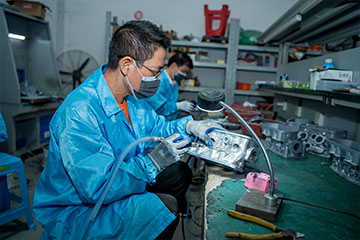
Trabaja con proveedores como DT, que ofrece paquetes de posprocesamiento (tratamiento térmico, lijado, finalización) para evitar recargos adicionales de otros proveedores, ya que DT ofrece un servicio integral con su 33 impresoras 3D SLM industriales de gama alta y 14 Máquinas CNC para el posprocesado.
Nuestra ventaja está en la impresión en metal SLM, como hemos 33 impresoras 3D de metal SLM caras (y la cifra sigue creciendo).
Bienvenido a Consult.
No hay cantidad mínima de pedido (Cantidad mínima de pedido) límite aquí. Podemos personalizar incluso un solo texto para ti.