

1. Partner with a metal 3D printing factory as their overseas branch
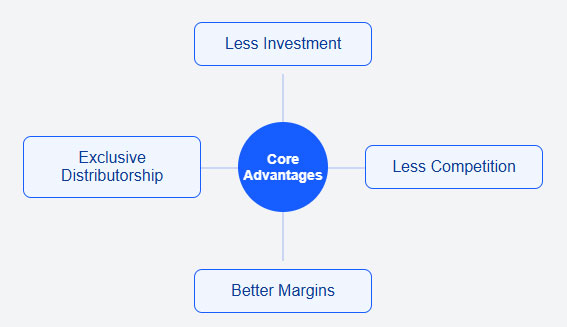
1.1 Less Competition, Better Margins
Metal 3D printing is where the real opportunity is—less competition, better margins, and a whole lot more room to grow.
Why?
Because consumer-grade printers can’t touch metal, and industrial metal machines start at around $150K+. That’s a serious barrier to entry, which keeps most players out. So if you can get in, the profit potential is way higher.
1.2 Exclusive Distributorship,Very Low Investment
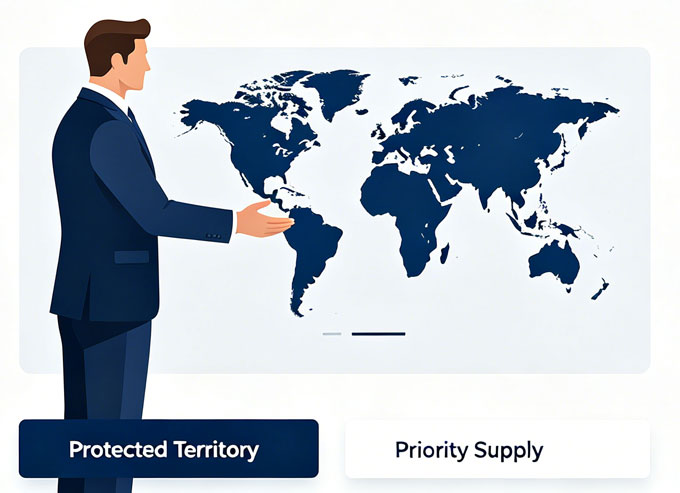
Why I say that partnering with a leading metal 3D printing factory as their overseas branch is a very good choice?
And here’s a little secret: if you’re in a non-English speaking country, even better. Language and geographic barriers make it tough for the factory to sell directly into your market, which means you can lock in an exclusive distributorship by partering with them. Basically, you get your own metal 3D printing factory without putting a dime into expensive metal 3D printers(some over $150,000 each).
2. Buy a few desktop 3D printers—use them for your own stuff and take on outside orders for plastic and resin
This space is crowded. Tons of hobbyists and small shops are already doing it, so competing on price alone is a losing game.
The smart play? Only go this route if you already need to 3d print plastic or resin parts for your own main business. Then taking on outside orders is just gravy—low risk, extra income.
Alternatively, you can stand out by offering value-adds like 3D scanning or CAD modeling services. That gives customers a reason to pick you over the next guy.
3. Rent your 3D printers instead of buying them
Leasing lowers your risk—big time.
Take our own metal printers, for eksempel. Many cost over $150K, some even $200K+. We financed ours through bank loans and paid in installments. So we know firsthand how heavy that upfront cost can be.
If you’re just starting out and orders are thin, buying equipment outright is a fast track to losing money. Instead, think like a 3D print farm or a 3D Printing Hub—rent what you need. If things don’t take off as expected, you’re not stuck with a massive capital loss.
And for cheaper desktop machines, some manufacturers will even let you use them for free—zero rent. Why? Because they make their money back on the filament and resin you keep buying from them. It’s a win-win.
4. How do you actually get 3D printing orders?
Once you have the machines, the real challenge is filling them.
If you’re going after B2C customers, social media is your friend. TikTok and Instagram are goldmines—post short videos, show cool prints, tell stories. It’s been proven to work.
If B2B is more your lane (like what we do with metal 3D printing), get active in 3D printing communities. Network, collaborate, refer work back and forth. For instance, we pass along plastic and resin orders we don’t take, and you could send metal jobs our way. Everybody wins.
I actually wrote a whole deep-dive article on this topic, so I just kept it short here.
5. Final thoughts
If I had to pick one path, I’d go asset-light every time. Being an exclusive regional distributor for a solid factory is about as good as it gets—you get the capability without the capital.
That said, if you do decide to buy your own 3D printers, we’re more than happy to share what we’ve learned along the way.
We’ve been a metal manufacturing factory for 15 years. Started with CNC, and now we run 33 industrial-grade metal 3D printers alongside 14 CNC machines. Over that time, we’ve upgraded equipment countless times—and yeah, we’ve made plenty of expensive mistakes.
So if you ever want to chat, hit us up. Whether we end up doing business together or not, we’re happy to share insights that might save you from some of the headaches we went through. No strings attached.