

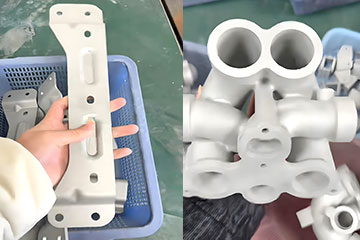
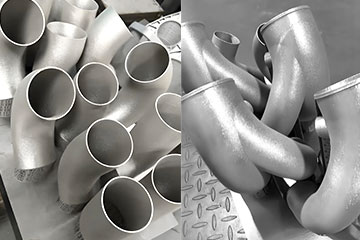
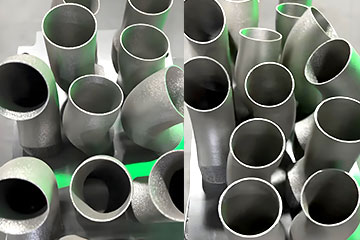
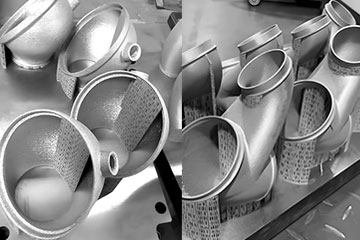
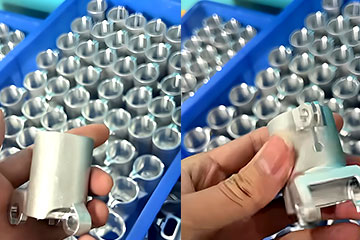
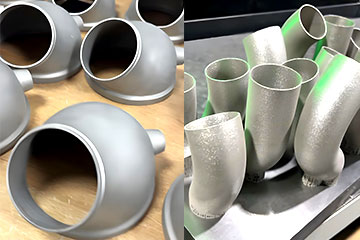
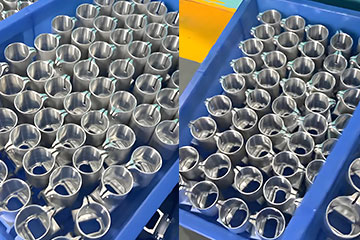
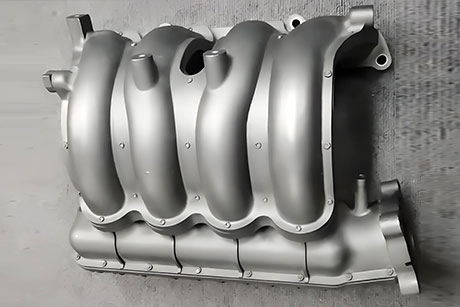
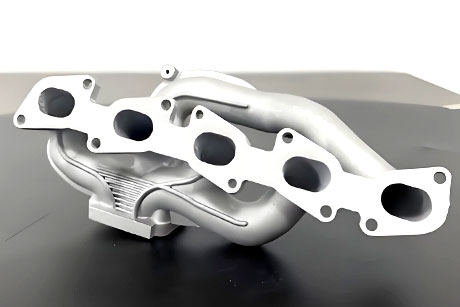
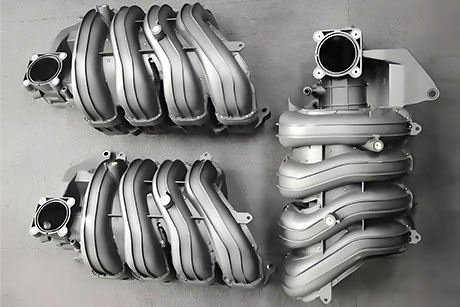
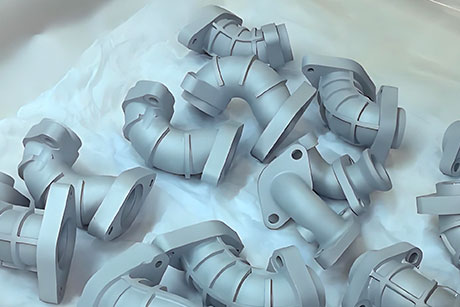
Introduction to 3D Printing Intake Manifold and Exhaust Manifold Service
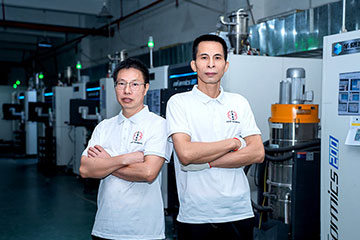
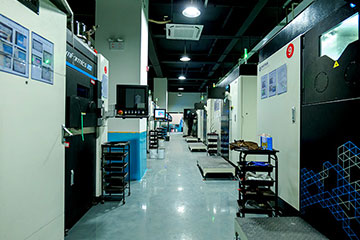
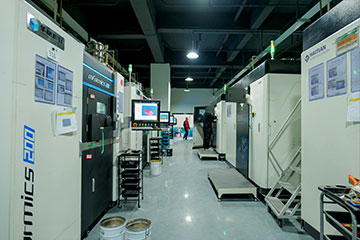
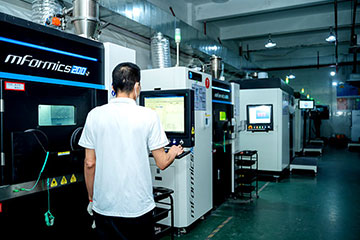
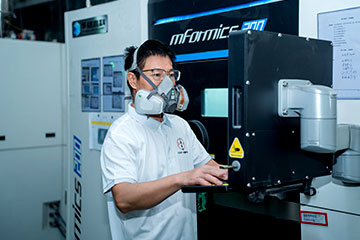
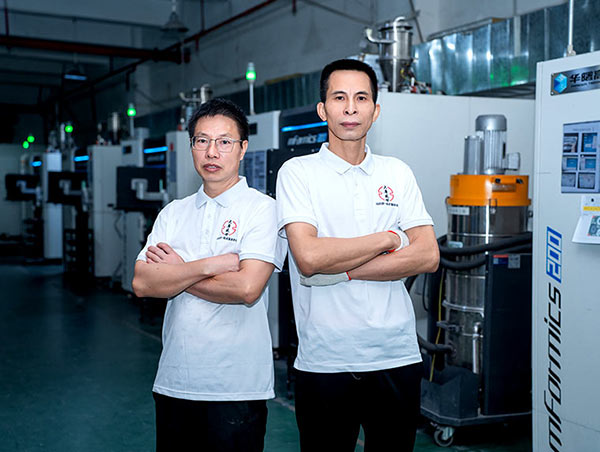
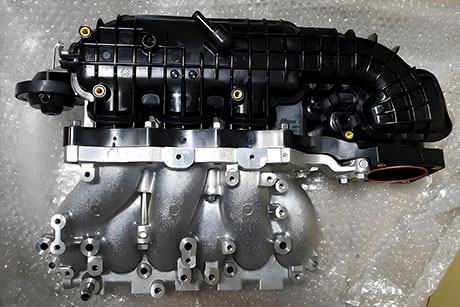
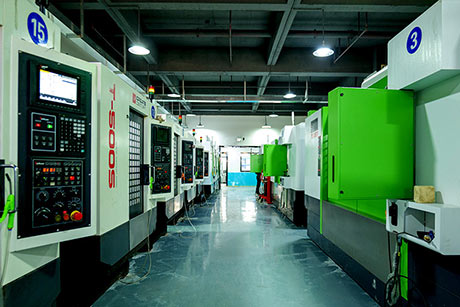
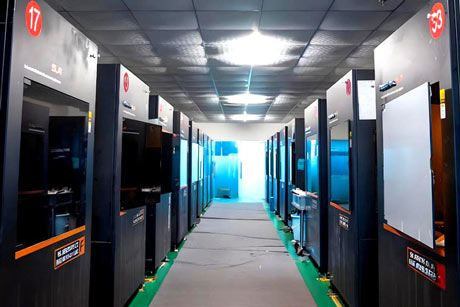
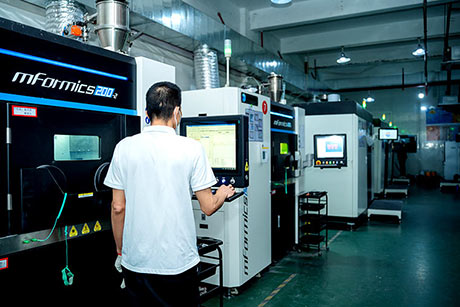
We are a leading metal 3D printing + CNC加工 source factory, with dozens of industrial metal 3D printers and CNC machines, so we are very good at custom intake manifolds and exhaust manifolds for cars.
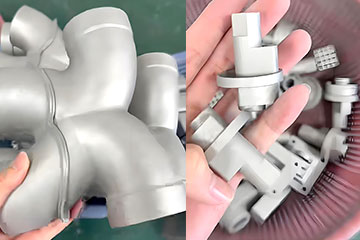
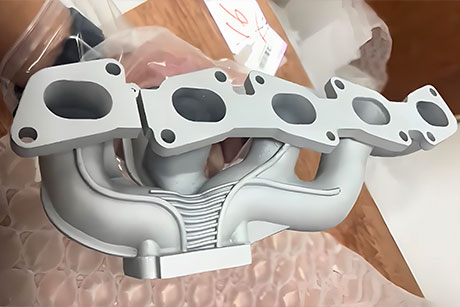
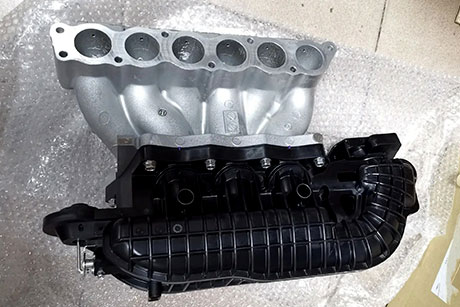
We specialize in 3D printing manifolds, 3D printed intake manifolds, 3D printed exhaust manifolds, and high-performance engine air intake parts for many years for many overseas clients (most are classified for Non – Disclosure Agreement).
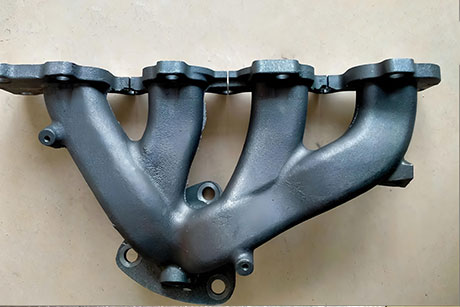
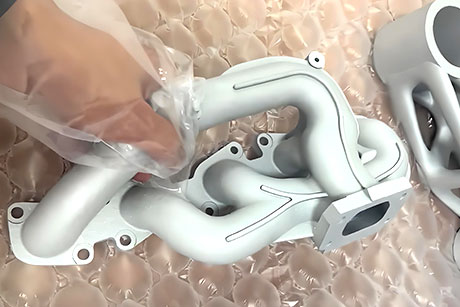
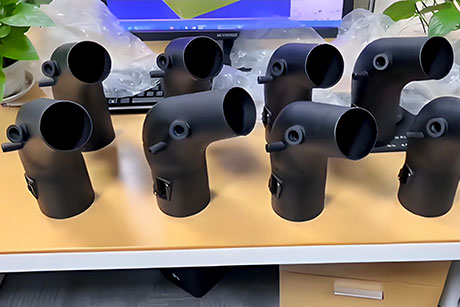
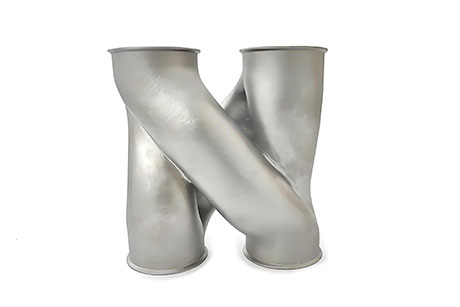
Our custom capabilities include 3D printed turbo manifolds, 3D printed Inconel exhaust manifolds, 3D printed aluminum intake manifolds, velocity stacks, throttle bodies, air horns, intake plenums, cold air intakes, and collectors for racing and performance engines.
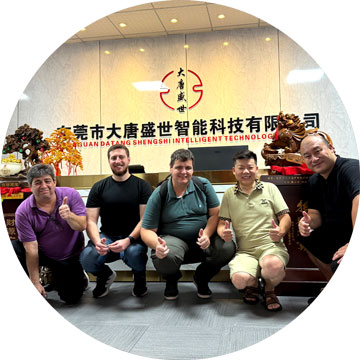
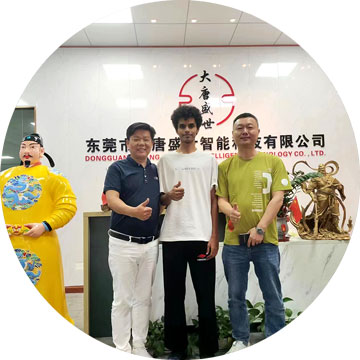
海外クライアントからの声
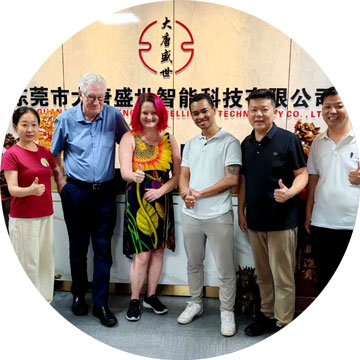
“何か悪いことが起きるのではないかと、とても心配だった. しかし、商品を受け取った後, 私の心配は全くの杞憂だったことが分かった. DT 3D Printingは、品質が保証された非常に信頼性の高い工場だ。”
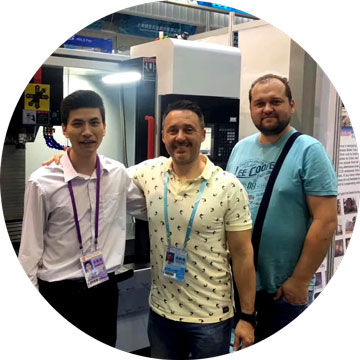
“製品の品質は最高だ – notch, その職人技は絶妙だ, 印刷の仕上がりは素晴らしい, そして配送スピードは本当に速い. 全体として, コストパフォーマンスに優れている, そして、私は非常に満足している。”
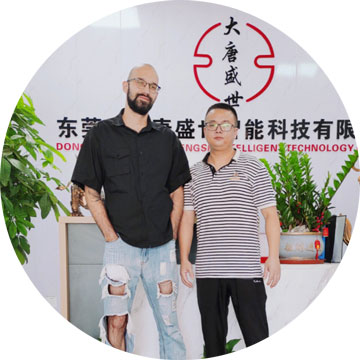
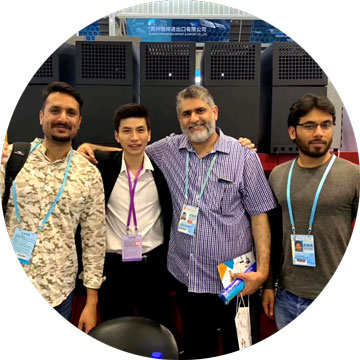
“印刷の質が本当に素晴らしい, そして価格はかなり手頃だ. 物流のスピードも速い. 総じて, DTは信頼できる工場だ, そして、今後も彼らと長期的に協力していくつもりだ。”

メーカー直販: コスト削減 & 完全な制御
製造元工場による金属3Dプリントサービス
Metal Materials Commonly Used:
ステンレス鋼 (316L/304L/17-4/347), アルミニウム合金 (6061/AISi10Mg/7075), チタン合金 (TC4/TA1), 型鋼 (S136/CX/1.2709), ニッケル高含有合金 (GH4169/GH3128/INCONEL625), 真鍮合金 (CuCrZr/Tin Bronze)…
Metal Materials are Customizable for Bulk Printing
なぜ当社を選ぶのか?
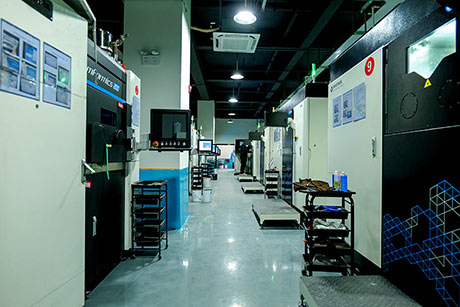
1. Source Factory: 30 SLMメタル3Dプリンター, 14 CNC工作機械, 数十カ所の後処理施設, および 60 産業用プラスチック3Dプリンター, (数字は増え続けている…)
2. 産業用金属3Dプリンティングの専門知識: コアチームと 10+ 3Dプリントの歴史 & CNC精密加工
3. ワンストップ3Dプリントサービス: SLM / SLA / MJF / FDM / SLS / DLP / BJ
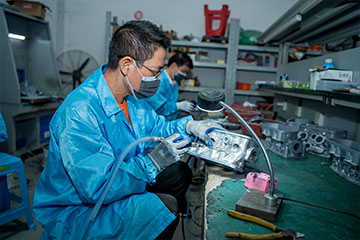
4. ワンストップ製造: 3Dプリント / CNC加工 / 後処理
5. 3Dモデルサポート: デザイン, 最適化 & 修正
6. ラピッドプロトタイピング: 納期は 24 営業時間 (イラストの後 & 注文確認)

About 3D Printing Intake Manifolds and Exhaust Manifolds for Cars
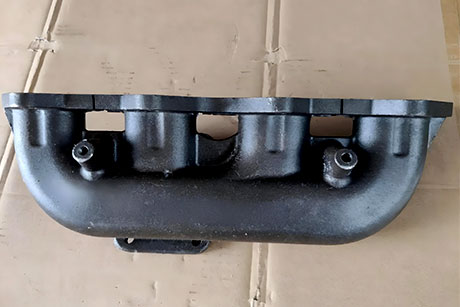
There are so many advantages to choose 3D printing for Automotive Intake & Exhaust Manifolds production over traditional manufacturing.
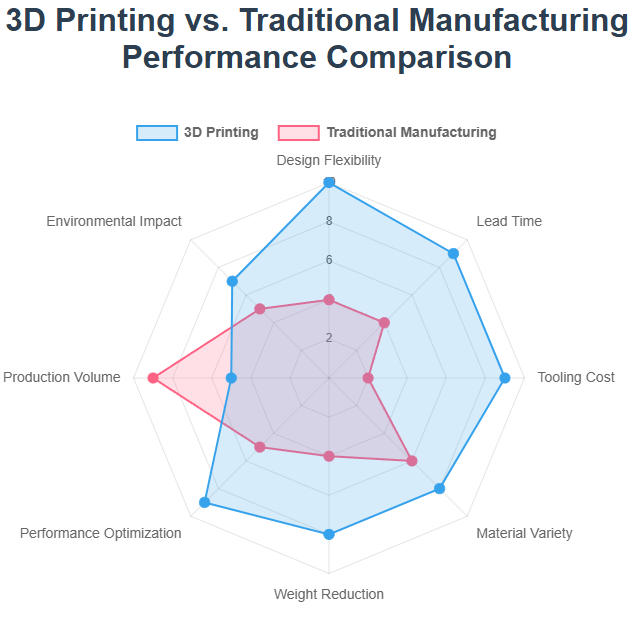
- Design Flexibility: 3D printing enables topological optimization and monolithic fabrication of complex internal channels, while traditional processes are significantly constrained by tooling and machining limitations.
- Lead Time: 3D printing eliminates tooling, reducing the prototype-to-low-volume production cycle from weeks to days. Traditional processes involve lengthy mold design and fabrication phases.
- Tooling Cost: 3D printing has near-zero tooling cost, ideal for customization and low volumes. Traditional manufacturing requires high upfront tooling investment, only cost-effective at very high volumes.
- Material Variety: 3D printing supports high-performance alloys (例:, インコネル) and specialized composites. Traditional casting materials are mature but innovate more slowly.
- Weight Reduction: 3D printing achieves lightweighting through lattice and hollow structures. Traditional processes rely on material selection and design simplification, with limited potential.
- Performance Optimization: 3D printing allows precise control over flow path geometry and wall thickness to improve fluid dynamics. Traditional processes often require compromises between performance and manufacturability.
- Production Volume: Traditional processes hold cost and speed advantages in mass production. 3D printing is currently more suitable for low-volume, high-value applications.
- Environmental Impact: 3D printing reduces material waste and enables lightweighting for better fuel efficiency, but has higher energy consumption. Traditional processes have concentrated energy use and higher scrap rates.
We are an industrial 3D printing source factory.
We have 30 expensive SLM 3D metal printers (and the number is still increasing).
And we have 14 CNC machines and 60 プラスチック3Dプリンター.
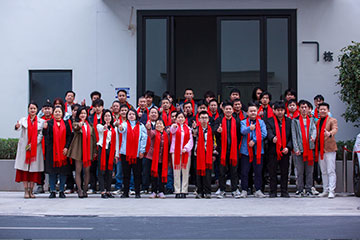
さらに, we have invested in six factories specializing in 3D printing and CNC finishing.
Welcome to consult.
There is no MOQ (Minimum Order Quantity) limit here, since this is what 3D printing’s advantage, and we provide Rapid Prototyping service to you.