

SLM金属3Dプリンティング技術の仕様
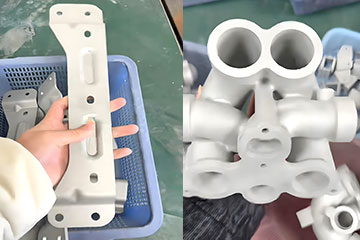
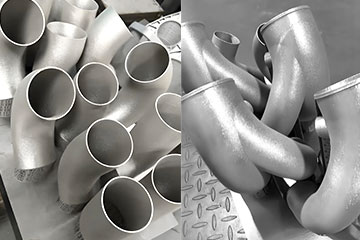
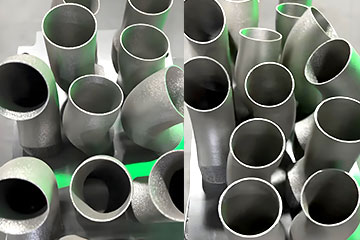
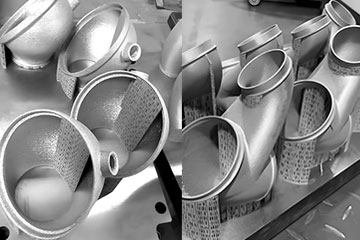
SLM (選択的レーザー溶融) 材料の特性と用途
| 金属3Dプリンティング技術 | 資料の種類 | 略語 | 資料のステータス | 一般的な後処理 | 許容範囲 | 処理上の利点 | 処理上のデメリット | 適用分野 | 最大ビルドサイズ |
|---|---|---|---|---|---|---|---|---|---|
| SLM | アルミニウム合金 | 6061/Alsi10mg/7075 | 金属粉末 | サンドブラスト, 陽極酸化処理されたマットブラック, 推敲, 電気めっき, 受動態, スプレー塗装/粉体塗装 | ±0.1%~±0.3% | 軽量素材, 迅速な放熱, 優れた電気伝導性および熱伝導性 | 印刷後のサポート削除は面倒だ, ざらざらした表面, 高精度が求められる場合は二次処理が必要だ | プロトタイプ, 自動車, 医療, デジタルエレクトロニクス, おもちゃ, 機械設備, 航空宇宙, など. | 400*400*390mm |
| ステンレス鋼 | 316L/304L/17-4/347 | 金属粉末 | サンドブラスト, 推敲, 電気めっき, 受動態, スプレー塗装/粉体塗装 | 防錆, 優れた耐食性, 鏡面仕上げの効果に最適 | |||||
| チタン合金 | TC4/TA1 | 金属粉末 | サンドブラスト, 推敲, スプレー塗装/粉体塗装 | 高強度かつ低密度, 優れた機械的特性, 耐久性と耐食性 | 420*225*260mm | ||||
| 『The Steel』 | CX(S136) | 金属粉末 | サンドブラスト, 熱処理 | 高い靭性と優れた耐熱性 | 粗い表面, 二次加工が必要だ | プラスチック, ダイカスト, 靴の金型およびその他の金型産業 | 400*400*390mm | ||
| 1.2709(MS1/H13) | 金属粉末 | 高い靭性と優れた耐熱性 | |||||||
| ニッケル – スーパーアロイベース | GH4169/625/3128 | 金属粉末 | 熱等方圧成形 (HIP) , 溶液処理と熟成, 機械加工 | 優れた耐熱強度 (>800°C) 優れた耐酸化性・耐食性 調整可能なγ′析出硬化 複雑な形状に対する高い設計自由度 | ひび割れに対する高い感度, 厳格なパラメータ管理が必要だ, コストのかかる後処理, 粉末のコストが高い/反応性が高い | 航空宇宙, エネルギー, 耐高温・耐食性産業用システム | 300*300*360mm |
| 金属3Dプリンティング技術 | SLM |
| 資料の種類 | アルミニウム合金 |
| 略語 | 6061/Alsi10mg/7075 |
| 資料のステータス | 金属粉末 |
| 一般的な後処理 | サンドブラスト, 陽極酸化処理されたマットブラック, 推敲, 電気めっき, 受動態, スプレー塗装/粉体塗装 |
| 許容範囲 | ±0.1%~±0.3% |
| 処理上の利点 | 軽量素材, 迅速な放熱, 優れた電気伝導性および熱伝導性 |
| 処理上のデメリット | 印刷後のサポート削除は面倒だ, ざらざらした表面, 高精度が求められる場合は二次処理が必要だ |
| 適用分野 | プロトタイプ, 自動車, 医療, デジタルエレクトロニクス, おもちゃ, 機械設備, 航空宇宙, など. |
| 最大ビルドサイズ | 400*400*390mm |
| 金属3Dプリンティング技術 | SLM |
| 資料の種類 | ステンレス鋼 |
| 略語 | 316L/304L/17-4/347 |
| 資料のステータス | 金属粉末 |
| 一般的な後処理 | サンドブラスト, 推敲, 電気めっき, 受動態, スプレー塗装/粉体塗装 |
| 許容範囲 | ±0.1%~±0.3% |
| 処理上の利点 | 防錆, 優れた耐食性, 鏡面仕上げの効果に最適 |
| 処理上のデメリット | 印刷後のサポート削除は面倒だ, ざらざらした表面, 高精度が求められる場合は二次処理が必要だ |
| 適用分野 | プロトタイプ, 自動車, 医療, デジタルエレクトロニクス, おもちゃ, 機械設備, 航空宇宙, など. |
| 最大ビルドサイズ | 400*400*390mm |
| 金属3Dプリンティング技術 | SLM |
| 資料の種類 | チタン合金 |
| 略語 | TC4/TA1 |
| 資料のステータス | 金属粉末 |
| 一般的な後処理 | サンドブラスト, 推敲, スプレー塗装/粉体塗装 |
| 許容範囲 | ±0.1%~±0.3% |
| 処理上の利点 | 高強度かつ低密度, 優れた機械的特性, 耐久性と耐食性 |
| 処理上のデメリット | 印刷後のサポート削除は面倒だ, ざらざらした表面, 高精度が求められる場合は二次処理が必要だ |
| 適用分野 | プロトタイプ, 自動車, 医療, デジタルエレクトロニクス, おもちゃ, 機械設備, 航空宇宙, など. |
| 最大ビルドサイズ | 420*225*260mm |
| 金属3Dプリンティング技術 | SLM |
| 資料の種類 | 『The Steel』 |
| 略語 | CX(S136) |
| 資料のステータス | 金属粉末 |
| 一般的な後処理 | サンドブラスト, 熱処理 |
| 許容範囲 | ±0.1%~±0.3% |
| 処理上の利点 | 高い靭性と優れた耐熱性 |
| 処理上のデメリット | 粗い表面, 二次加工が必要だ |
| 適用分野 | プラスチック, ダイカスト, 靴の金型およびその他の金型産業 |
| 最大ビルドサイズ | 400*400*390mm |
| 金属3Dプリンティング技術 | SLM |
| 資料の種類 | 『The Steel』 |
| 略語 | 1.2709(MS1/H13) |
| 資料のステータス | 金属粉末 |
| 一般的な後処理 | サンドブラスト, 熱処理 |
| 許容範囲 | ±0.1%~±0.3% |
| 処理上の利点 | 高い靭性と優れた耐熱性 |
| 処理上のデメリット | 粗い表面, 二次加工が必要だ |
| 適用分野 | プラスチック, ダイカスト, 靴の金型およびその他の金型産業 |
| 最大ビルドサイズ | 400*400*390mm |
| 金属3Dプリンティング技術 | SLM |
| 資料の種類 | ニッケル – スーパーアロイベース |
| 略語 | GH4169/625/3128 |
| 資料のステータス | 金属粉末 |
| 一般的な後処理 | 熱等方圧成形 (HIP) , 溶液処理と熟成, 機械加工 |
| 許容範囲 | ±0.1%~±0.3% |
| 処理上の利点 | 優れた耐熱強度 (>800°C) 優れた耐酸化性・耐食性 調整可能なγ′析出硬化 複雑な形状に対する高い設計自由度 |
| 処理上のデメリット | ひび割れに対する高い感度, 厳格なパラメータ管理が必要だ, コストのかかる後処理, 粉末のコストが高い/反応性が高い |
| 適用分野 | 航空宇宙, エネルギー, 耐高温・耐食性産業用システム |
| 最大ビルドサイズ | 300*300*360mm |
DTからの親切な注意喚起
I. DTにおけるSLMで一般的に使用される金属3Dプリンティング材料
- アルミニウム合金 (AlSi10Mg)
- ステンレス鋼 (347, 316L, 304L, 17-4 その他)
- 『The Steel』 (CX, 1.2709)
- チタン合金 (TC4)
II. DTからの印刷に関する注意事項
- DT Industrial 3Dプリンター: 出力は500Wだ (デュアルレーザー).
- 印刷層の厚さ: 0.03mm, 0.06mm, 0.09mm.
- 自然な地表の特徴: ピッティング (表面粗さ: 約. Ra 16).
- 配置に関する指示: 一般的に, 平置きまたは45°の傾斜で配置すると、最高の印刷品質が得られる.
- 印刷公差: サイズが50mm以下の製品については, 印刷公差は約±0.2mmである. 大型商品については, 印刷公差は図面に基づいて決定される.
- 注記: 肉厚, 溝の幅, 溝の深さ, 構造的クリアランス, およびフォントサイズ 0.5mm未満の 印刷可能であるとは保証できない.
- 注記: 穴の直径は0.8mm以上でなければならない. 一般的に, 印刷後、穴の直径は約0.2mm縮小する.
- 注記: スレッドについて (内ねじおよび外ねじを含む), 直接印刷するよりも、タップでの入力が推奨される。.
- 金属3Dプリント材料の後処理: 従来の資料と同様, これらの資料は、さらに加工される可能性がある.
- 組み立て済み部品について: 組立図を必ず添付するように注意してほしい. 部品は納品前に組み立てられる. そのような指示がない場合は, 組み立てについては責任を負わない.
- 注記: 組み立て時のクリアランス位置がある製品については, 0.15mmの一方的な許容差 必須 控えめにする.
- 注記: 高精度な現地組立が求められる部品については (例えば、軸受穴など, 直径, またはフラットな組み立て位置), 加工代 必須 事前に予約しておく, そして、各部品は二次仕上げを通じて整合させる必要がある.
- 注記: 金属3Dプリンティングにおける高温焼結後, いくつかの細い部分, 薄肉部品, また、貝殻のような構造は変形する可能性がある. 金属3Dプリントの利点は、複雑な構造を持つ部品を製造できる点にある, その精度はCNC加工に及ばず、表面仕上げも劣るが.
- 注記: 二次加工が必要な製品については, we 必須 3D図面に余裕分が含まれているかどうか、顧客に確認する. 手当が含まれていない場合は, 技術部門と連絡を取るか、製造指示書に注記をしなければならない: 二次加工に適切な余裕を持たせる 必須 印刷前に慎重に検討すること.