



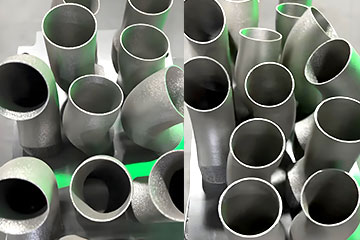

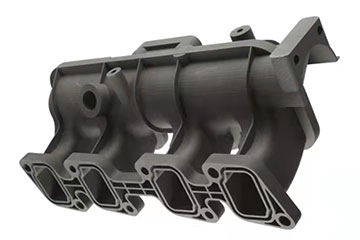
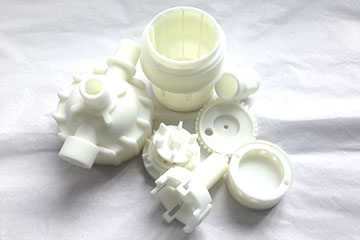
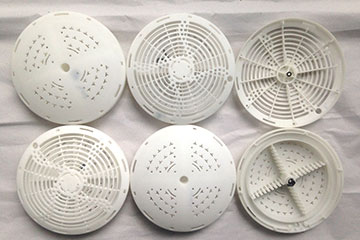
Introduction to Metal & Plastic 3D Printing Service for Motorcycles, Dirt Bikes & Motorbikes
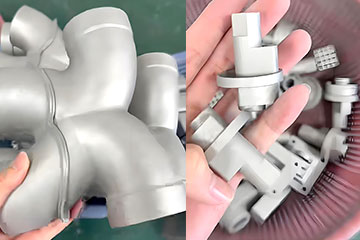
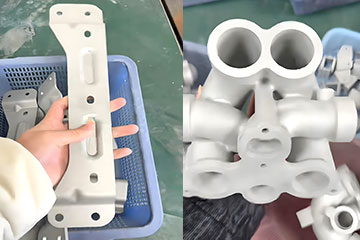
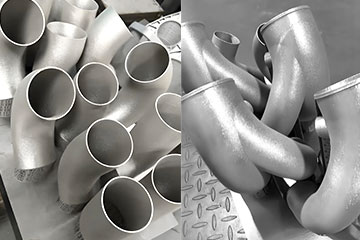
We specialize in professional 3D printed motorcycle parts mainly using titanium alloy (Ti-6Al-4V), paslanmaz çelik (316Lira), alüminyum alaşımı (AlSi10Mg) and high-performance plastics.
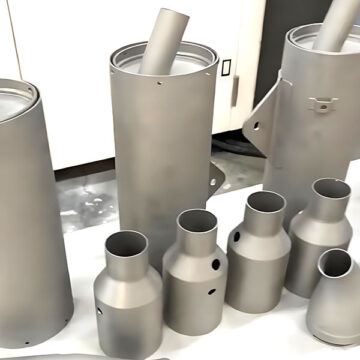
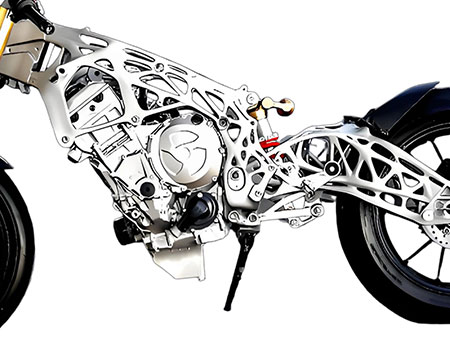
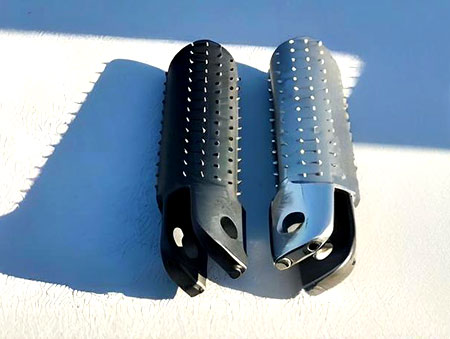
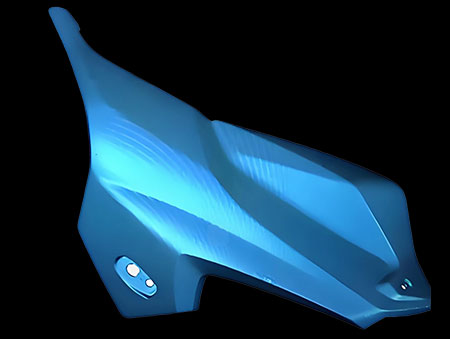
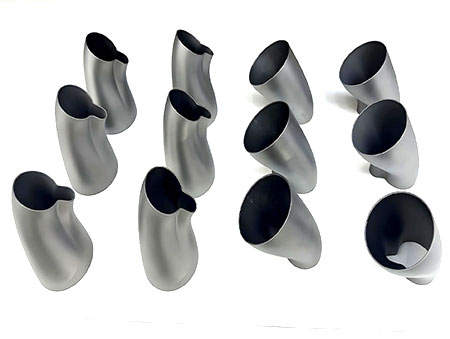
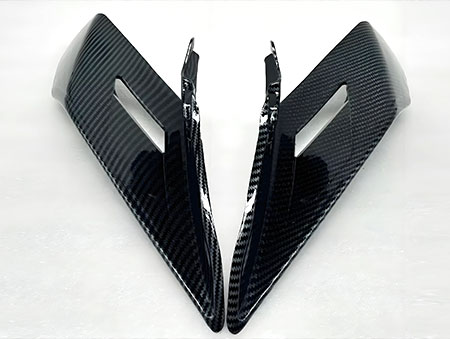
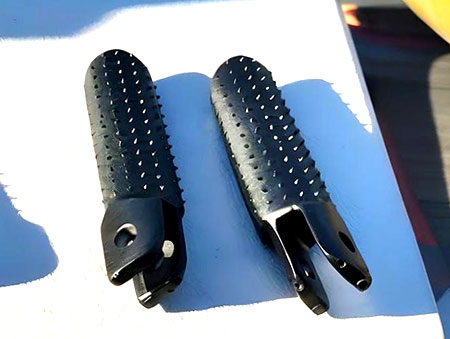
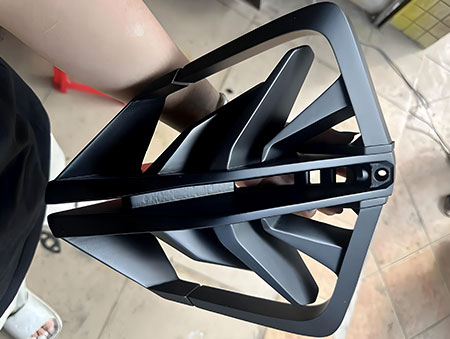
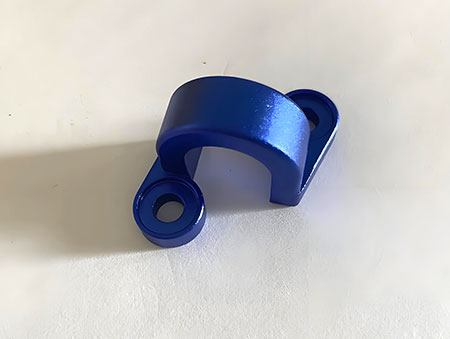
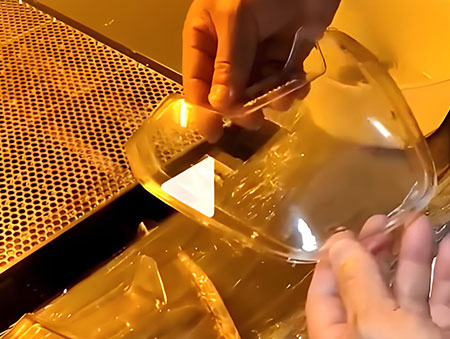
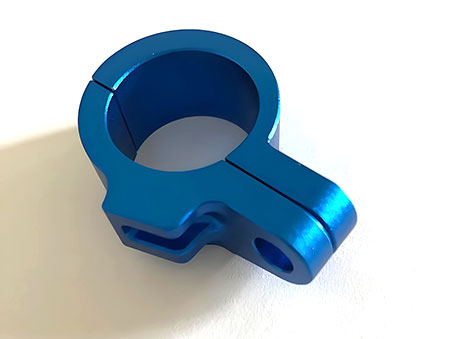
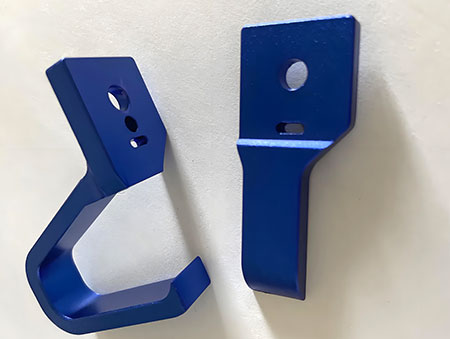
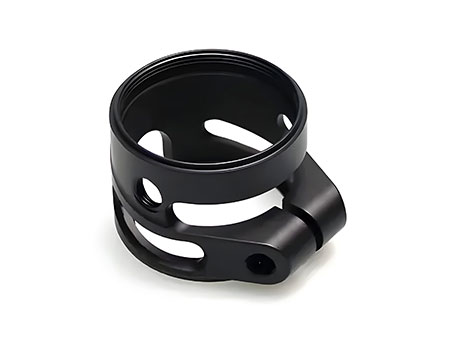
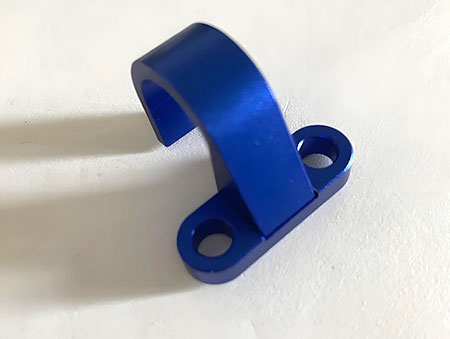
Our capabilities cover 3D printing motorcycle fairings, frames, seats, hand guards, fenders, side covers, winglets, gas tanks, engine parts and custom mods for dirt bikes and motorbikes.
As a trusted China-based source factory, we provide durable, lightweight 3D printed parts for motorcycles with custom production, fast quotes and reliable bulk service.


Yurtdışı Müşterilerinden Gelen Referanslar

“Kötü bir şey olacağından çok endişeliydim. Ancak ürünü aldıktan sonra, Endişemin tamamen yersiz olduğunu anladım. DT 3D Printing, kalitesi garantili, son derece güvenilir bir fabrikadır.”


“Ürün kalitesi en üst düzeyde – notch, zanaatkarlık muhteşem, baskı kalitesi mükemmel, ve teslimat hızı gerçekten çok hızlı. Genel, fiyat-performans oranı çok iyi, ve son derece memnunum.”


“Baskı kalitesi gerçekten harika, ve fiyatı oldukça uygun. Lojistik hızı da yüksektir. Sonuç olarak, DT güvenilir bir fabrikadır, ve uzun vadede onlarla işbirliğimizi sürdüreceğiz.”




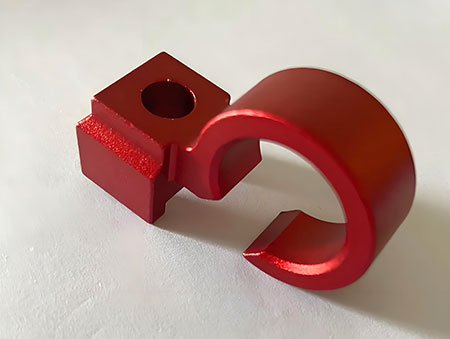
The Current Application Status of 3D Printing Motorcycle Car Parts Worldwide
1. Commonly – Used 3D Printing Technologies for Motorcycle Parts
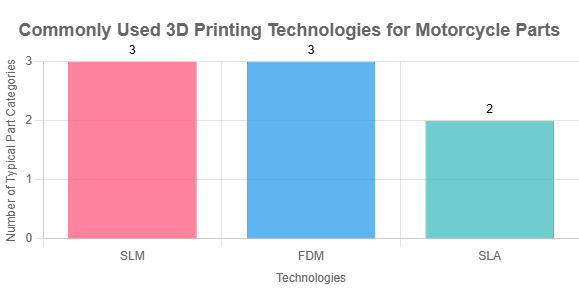
When it comes to 3D printing motorcycle parts, several technologies stand out. Seçici Lazer Ergitme (SLM) is a top choice for metal components. It uses a high – power laser to melt metal powder layer by layer, creating parts with high density and excellent mechanical properties. This is perfect for manufacturing engine components like pistons or high – stress frame elements.
Fused Deposition Modeling (FDM) is widely used for plastics. It works by extruding molten plastic filament, which solidifies as it layers up. FDM is great for producing parts like handlebar grips, small brackets, or even some simple fairing components due to its cost – effectiveness and ease of use.
Stereolitografi (SLA) is another important technology. It cures liquid resin with a UV laser, enabling the creation of parts with high precision and smooth surfaces. SLA is often employed for manufacturing aesthetic – focused parts or components that require intricate details, such as decorative covers or small, precision – made connectors.
2. Types of Customers Using 3D Printing for Motorcycle Parts
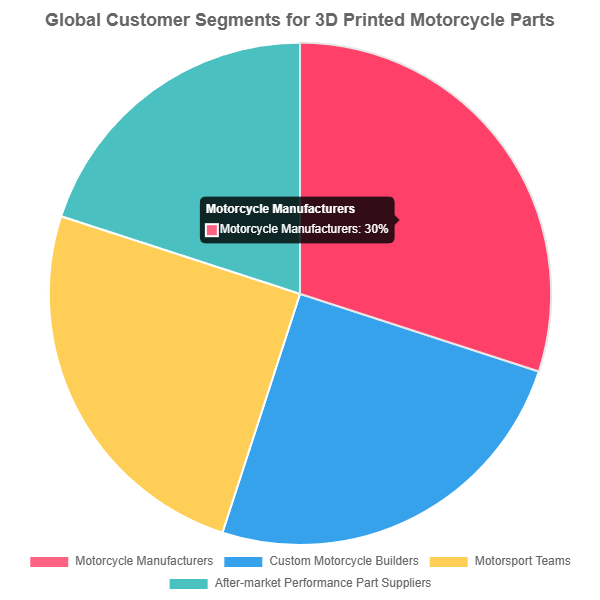
Global Customer Segments
- Motorcycle Manufacturers: These large – scale producers use 3D printing for prototyping new parts. It allows them to quickly test design concepts without the long lead – times and high costs associated with traditional tooling. Örneğin, they can print a new air intake design to test its aerodynamics before mass – producing it. They also use it for producing limited – edition or custom – designed parts for high – end models, adding a unique selling point.
- Custom Motorcycle Builders: These artisans thrive on creating one – of – a – kind motorcycles. 3D printing gives them the freedom to design and produce parts that match their creative vision. Whether it’s a custom – shaped fuel tank or a unique exhaust system, 3D printing enables them to bring their ideas to life without relying on expensive custom – made molds.
Customers Opting for Metal 3D Printing
- Motorsport Teams: In the high – stakes world of motorcycle racing, every gram and every bit of performance matter. Metal 3D printing allows them to produce lightweight yet incredibly strong parts. For instance, they can print titanium suspension components that offer superior strength – to – weight ratios, enhancing the bike’s handling and speed.
- After – market Performance Part Suppliers: They target motorcycle enthusiasts looking to upgrade their bikes. Metal 3D – printed parts like high – performance brake calipers or engine casings provide enhanced durability and performance, meeting the demands of riders seeking to push the limits of their machines.
3. Advantages of 3D Printing in Motorcycle Part Manufacturing
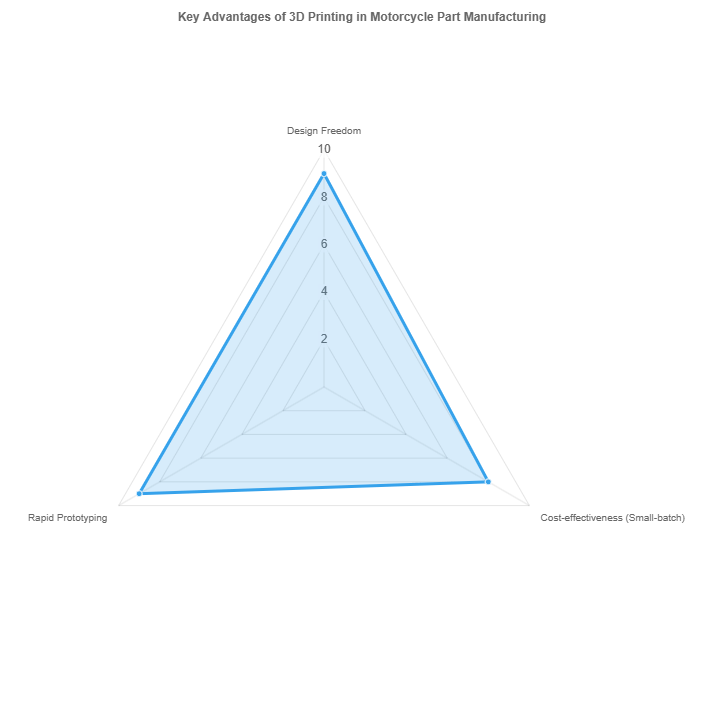
- Design Freedom: 3D printing breaks the shackles of traditional manufacturing constraints. Designers can create complex geometries, like organic – shaped frames or parts with integrated cooling channels. This not only improves the bike’s performance but also gives it a distinct, modern look.
- Cost – effectiveness for Small – batch Production: For producing small quantities of parts, traditional manufacturing methods can be prohibitively expensive due to setup costs for molds and tooling. 3D printing eliminates these costs, making it a cost – efficient option for small – scale production, whether it’s for custom parts or limited – edition models.
- Hızlı Prototipleme: The ability to quickly turn a digital design into a physical part speeds up the development process. Manufacturers can test and refine designs in a much shorter time frame, getting new products to market faster.
4. Commonly 3D – Printed Motorcycle Parts
- Motor Bileşenleri: Pistons, cylinder heads, and engine mounts are frequently 3D – basılı. The complex internal structures that can be achieved with 3D printing can optimize engine performance, such as better heat dissipation in cylinder heads.
- Suspension Parts: Fork tubes, shock absorber bodies, and linkages can be printed. 3D printing allows for the production of parts with customized geometries to fine – tune the bike’s suspension for different riding conditions.
- Bodywork and Fairings: These parts can be easily customized using 3D printing. From aerodynamic fairings for racing bikes to stylish body panels for cruiser motorcycles, 3D printing offers a cost – effective way to produce unique designs.
- Handlebars and Controls: Özel – shaped handlebars for better ergonomics, as well as 3D – printed throttle bodies and brake levers, can be made to fit the rider’s preferences.
5. Common Materials for 3D – Printed Motorcycle Parts
General Materials
- Plastikler: ABS (Akrilonitril Bütadien Stiren) is a popular choice due to its strength, durability, and ease of printing. It’s often used for parts that need to withstand some impact, like fairings. PLA (Polilaktik Asit) is another option, known for its biodegradability and good print quality. It can be used for non – critical parts or prototypes.
- Composites: Carbon – fiber – reinforced polymers are used to create parts with high strength – to – weight ratios. These are ideal for components like seat pans or structural elements where both strength and lightness are crucial.
Metal Materials
- Alüminyum: Lightweight and corrosion – resistant, aluminum is used for a variety of parts. It can be printed into engine blocks, wheels, or suspension components, reducing the overall weight of the motorcycle without sacrificing too much on strength.
- Titanyum: Titanium offers an excellent strength – to – weight ratio and high corrosion resistance. It’s commonly used for high – stress parts like frame joints, axles, and high – performance engine components.
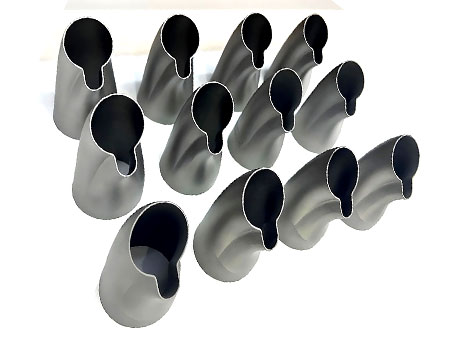
- Paslanmaz Çelik: Known for its durability and resistance to rust, stainless steel is suitable for parts that need to withstand harsh environmental conditions, such as exhaust systems or fasteners.
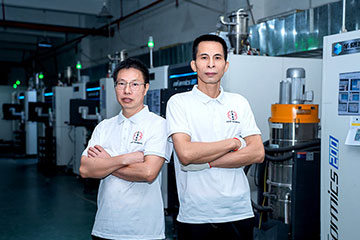
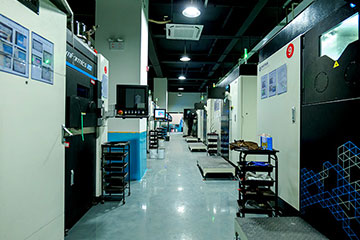
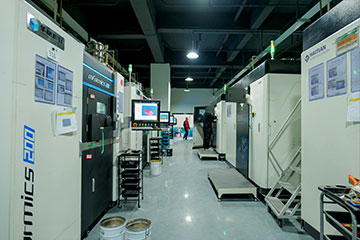
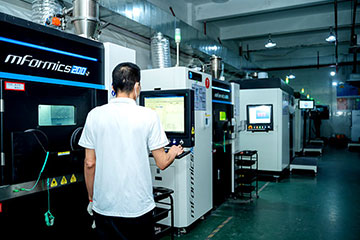
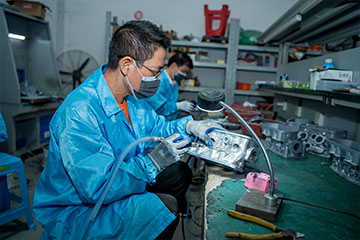
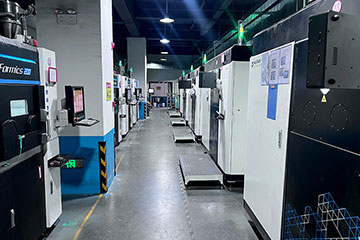
Biz bir sanayi şirketiyiz – 3D baskı fabrikası. Avantajımız SLM metal baskı teknolojisinde yatmaktadır, daha önce de belirttiğimiz gibi 30 pahalı SLM 3D metal yazıcılar (ve bu sayı hâlâ artıyor). Ayrıca, 3D baskı ve CNC son işlemlerinde uzmanlaşmış altı fabrikaya yatırım yaptık.
Müşterilerimizin çoğu otomotiv sektöründen gelmektedir, ve otomotiv sektörü için 3D baskı konusunda kapsamlı deneyime sahibiz.
Danışmanlık hizmetimize hoş geldiniz.
Minimum sipariş miktarı (MOQ) yoktur. (Minimum Sipariş Miktarı) burada sınırlandırın, ve sizin için tek bir metni bile özelleştirebiliriz.

Legal Disclaimer:
1. DT (also called “DT 3D Print”) is an independent aftermarket manufacturer. All products are custom 3D printed, non-OEM parts.
2. We are not affiliated with, endorsed by, or officially connected to Harley – Davidson, Ducati, KTM, BMW Motorrad, Yamaha, Droog Moto, DAB Motors, or any other motorbike or vehicle manufacturer.
3. All brand names, model names, and motorbike platform references are used exclusively for fitment and compatibility description purposes only.