


Inleiding tot metaal & 3D-printservice met kunststof voor motorfietsen, Crossmotoren & Motorfietsen
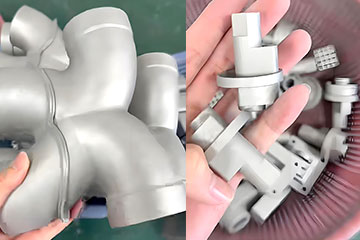
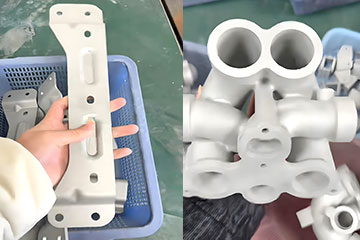
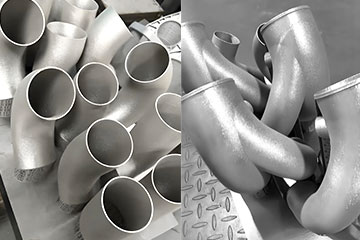
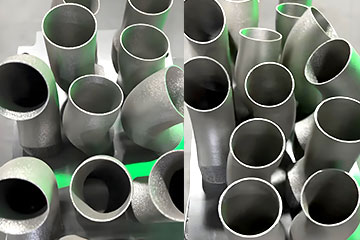
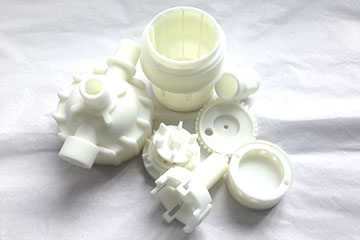
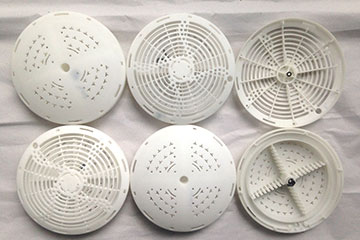
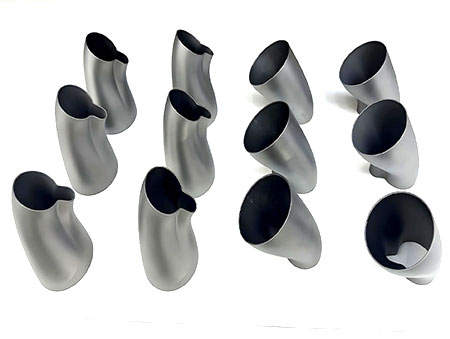
Wij zijn gespecialiseerd in professionele 3D-geprinte motoronderdelen, voornamelijk gemaakt van een titaniumlegering (Ti-6Al-4V), roestvrij staal (316L), aluminiumlegering (AlSi10Mg) en hoogwaardige kunststoffen.
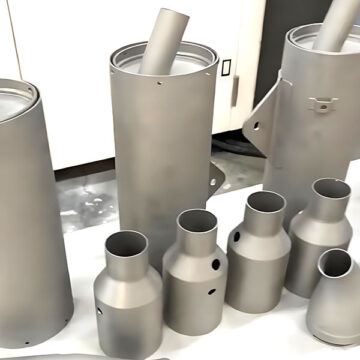
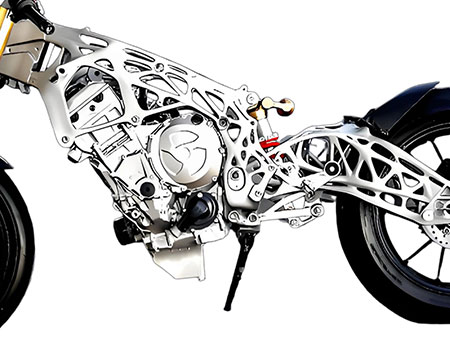
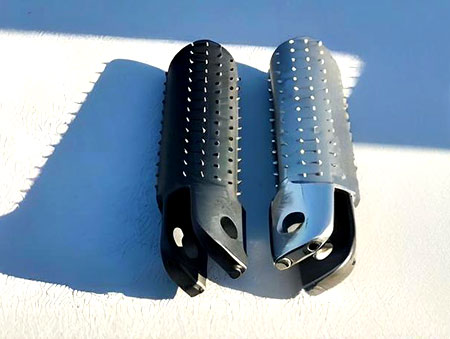
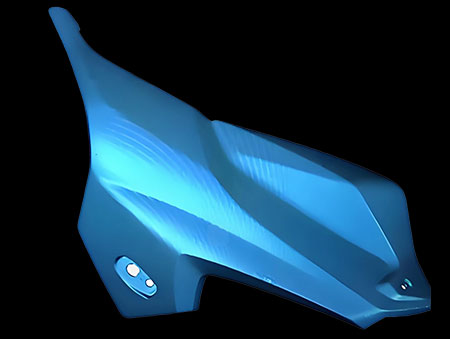
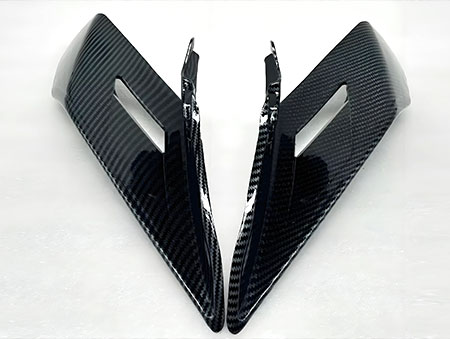
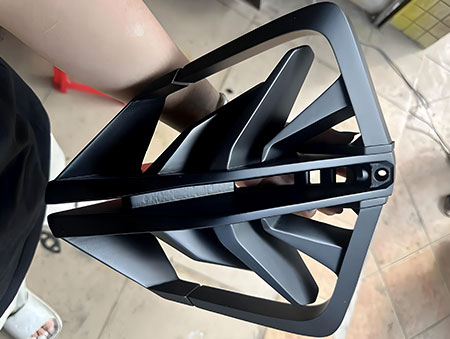
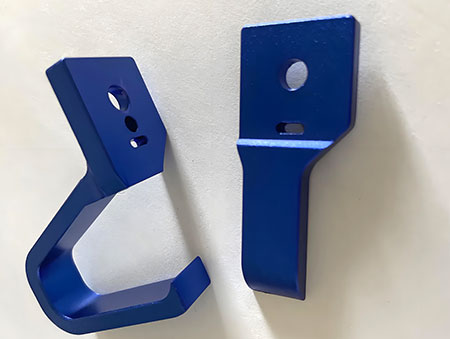
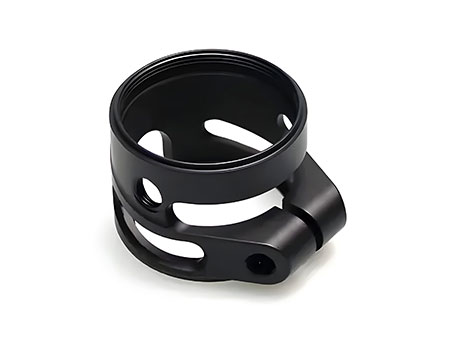
Onze mogelijkheden omvatten het 3D-printen van motorfietskuipen, frames, zitplaatsen, handbeschermers, spatborden, zijkanten, winglets, benzinetanks, motoronderdelen en op maat gemaakte aanpassingen voor crossmotoren en motorfietsen.
Als betrouwbare fabriek in China, wij bieden duurzame, lichtgewicht 3D-geprinte onderdelen voor motorfietsen, op maat gemaakt, snelle offertes en betrouwbare bulkdienstverlening.
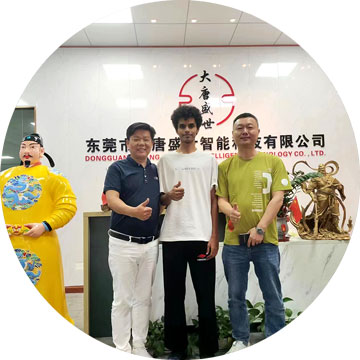
Getuigenissen van buitenlandse klanten
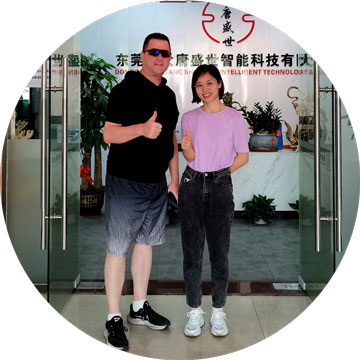
“Ik was erg bang dat er iets ergs zou gebeuren. Maar nadat je het product hebt ontvangen, Ik kwam erachter dat mijn zorgen totaal onnodig waren. DT 3D Printing is een zeer betrouwbare fabriek met gegarandeerde kwaliteit.”
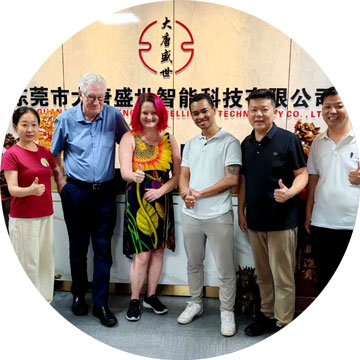
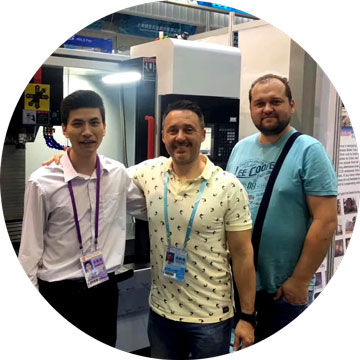
“De productkwaliteit is top – notch, het vakmanschap is voortreffelijk, het drukeffect is uitstekend, en de levering is echt snel. Algemeen, het biedt veel waar voor je geld, en ik ben uiterst tevreden.”
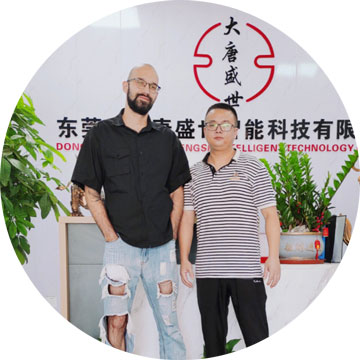
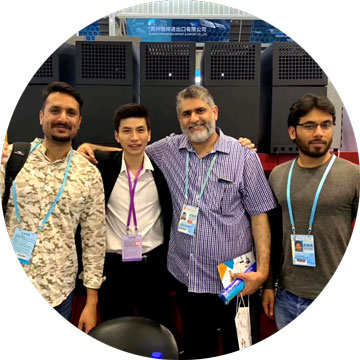
“De afdrukkwaliteit is echt geweldig, en de prijs is heel betaalbaar. De logistieke snelheid is ook hoog. Al met al, DT is een betrouwbare fabriek, en we blijven op de lange termijn met hen samenwerken.”

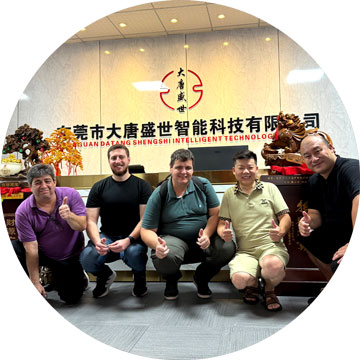

De huidige stand van zaken rond 3D-geprinte onderdelen voor motorfietsen en auto’s wereldwijd
1. Vaak – Toegepaste 3D-printtechnologieën voor motoronderdelen
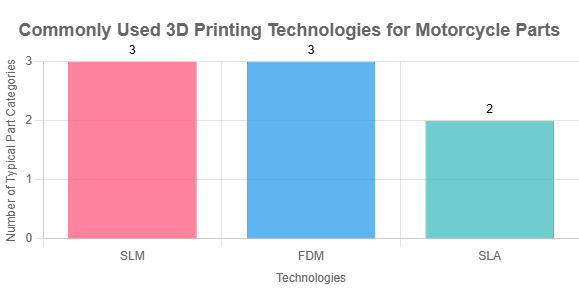
Als het gaat om het 3D-printen van motoronderdelen, er zijn verschillende technologieën die opvallen. Selectief lasersmelten (SLM) is een topkeuze voor metalen onderdelen. Het maakt gebruik van een hoge – krachtige laser om metaalpoeder laag voor laag te smelten, het maken van onderdelen met een hoge dichtheid en uitstekende mechanische eigenschappen. Dit is perfect voor de productie van motoronderdelen zoals zuigers of hoog – benadruk frame-elementen.
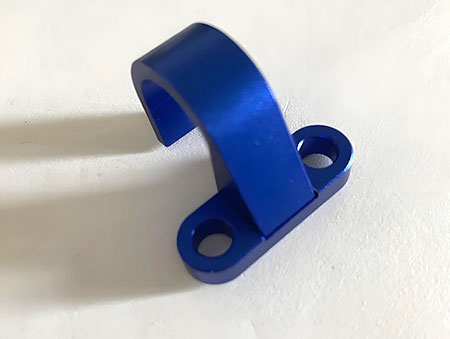
Fused Deposition Modeling (FDM) wordt veel gebruikt voor kunststoffen. Het werkt door gesmolten plastic filament uit te persen, dat stolt naarmate het zich opstapelt. FDM is ideaal voor het maken van onderdelen zoals stuurhandvatten, kleine haakjes, of zelfs enkele eenvoudige carrosserieonderdelen vanwege de kosten – doeltreffendheid en gebruiksgemak.
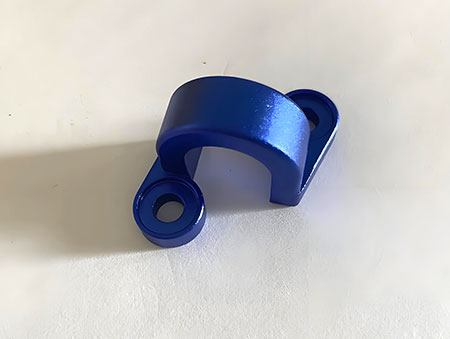
Stereolithografie (SLA) is een andere belangrijke technologie. Het hardt vloeibare hars uit met een UV-laser, waardoor onderdelen met hoge precisie en gladde oppervlakken kunnen worden gemaakt. SLA wordt vaak gebruikt voor het vervaardigen van esthetische – gerichte onderdelen of componenten die gedetailleerde informatie vereisen, zoals decoratieve omslagen of kleine, nauwkeurigheid – gemaakte verbindingswoorden.
2. Soorten klanten die 3D-printen gebruiken voor motoronderdelen
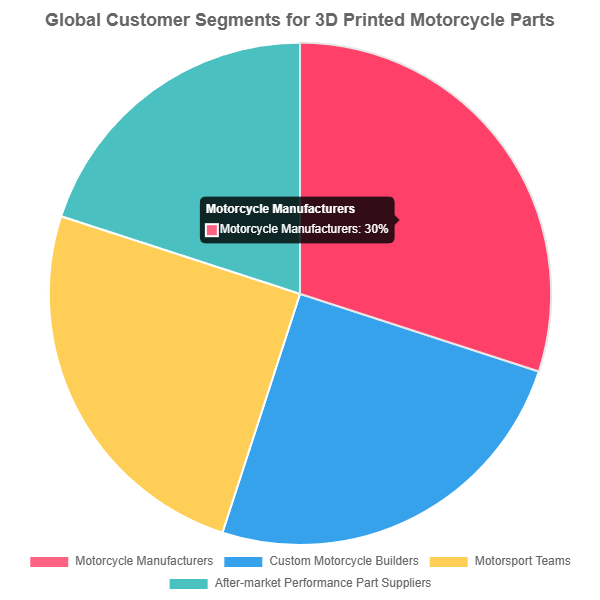
Wereldwijde klantsegmenten
- Motorfietsfabrikanten: Deze grote – Grote producenten gebruiken 3D-printen voor het maken van prototypes van nieuwe onderdelen. Zo kunnen ze ontwerpconcepten snel testen zonder lange doorlooptijd – de tijd en hoge kosten die gepaard gaan met traditionele gereedschappen. Bijvoorbeeld, ze kunnen een nieuw ontwerp voor de luchtinlaat printen om de aerodynamica ervan te testen voordat het in massa – het produceren ervan. Ze gebruiken het ook voor het produceren van gelimiteerde – editie of op maat – ontworpen onderdelen voor hoge – eindmodellen, een uniek verkoopargument toevoegen.
- Aangepaste motorfietsbouwers: Deze ambachtslieden bloeien op bij het maken van één – van – a – mooie motorfietsen. 33D-printen geeft hen de vrijheid om onderdelen te ontwerpen en te produceren die aansluiten bij hun creatieve visie. Of het nu gaat om een op maat gemaakte – een bijzonder gevormde brandstoftank of een uniek uitlaatsysteem, 3Met 3D-printen kunnen ze hun ideeën tot leven brengen zonder afhankelijk te zijn van dure maatwerkoplossingen – gemaakte mallen.
Klanten die kiezen voor 3D-printen met metaal
- Motorsportteams: In de hoge – de wereld van de motorraces, Elke gram en elk beetje prestatie telt. Met 3D-printen in metaal kunnen ze lichtgewicht maar ongelooflijk sterke onderdelen maken. Bijvoorbeeld, Ze kunnen titanium ophangingsonderdelen printen die superieure sterkte bieden – naar – gewichtsverhoudingen, het rijgedrag en de snelheid van de fiets verbeteren.
- Na – Marktprestaties onderdelenleveranciers: Ze richten zich op motorliefhebbers die hun motor willen upgraden. Metal 3D – gedrukte onderdelen zoals hoge – Remklauwen of motorbehuizingen van hoge kwaliteit zorgen voor meer duurzaamheid en betere prestaties, voldoen aan de eisen van motorrijders die de grenzen van hun machines willen verleggen.
3. Voordelen van 3D-printen bij de productie van motoronderdelen
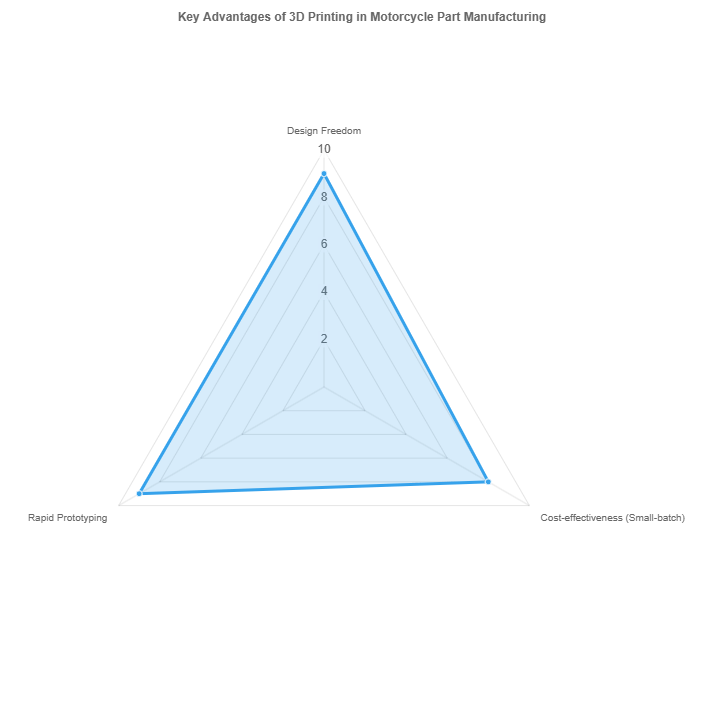
- Ontwerpvrijheid: 33D-printen doorbreekt de beperkingen van traditionele productieprocessen. Ontwerpers kunnen complexe geometrische vormen maken, zoals biologisch – gevormde frames of onderdelen met geïntegreerde koelkanalen. Dit verbetert niet alleen de prestaties van de fiets, maar geeft hem ook een onderscheidend, moderne uitstraling.
- Kosten – effectiviteit voor kleine – Batchproductie: Voor de productie van kleine hoeveelheden onderdelen, Traditionele productiemethoden kunnen onbetaalbaar duur zijn vanwege de opstartkosten voor mallen en gereedschap. 3D-printing maakt deze kosten overbodig, waardoor het een kostenpost wordt – efficiënte optie voor kleine – schaalproductie, of het nu gaat om onderdelen op maat of om een gelimiteerde – uitvoeringen.
- Rapid Prototyping: De mogelijkheid om een digitaal ontwerp snel om te zetten in een fysiek onderdeel versnelt het ontwikkelingsproces. Fabrikanten kunnen ontwerpen in veel kortere tijd testen en verfijnen, nieuwe producten sneller op de markt brengen.
4. Meestal 3D – Gedrukte motoronderdelen
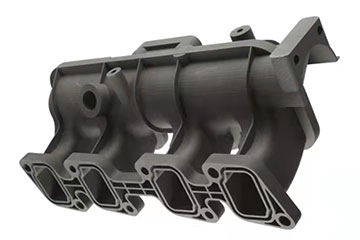
- Motoronderdelen: Zuigers, cilinderkoppen, en motorsteunen zijn vaak 3D – gedrukt. De complexe interne structuren die met 3D-printen kunnen worden gerealiseerd, kunnen de motorprestaties optimaliseren, zoals een betere warmteafvoer in cilinderkoppen.
- Onderdelen voor de ophanging: Vorkbuizen, schokdemperbehuizingen, en koppelingen mogen worden afgedrukt. 3Met 3D-printen kun je onderdelen maken met op maat gemaakte geometrieën tot op de – Stel de vering van de fiets af op verschillende rijomstandigheden.
- Carrosserie en kuipdelen: Deze onderdelen kun je makkelijk aanpassen met 3D-printen. Van aerodynamische stroomlijnkappen voor racefietsen tot stijlvolle carrosseriepanelen voor cruiser-motorfietsen, 3D-printing biedt een kostenbesparing – een effectieve manier om unieke ontwerpen te maken.
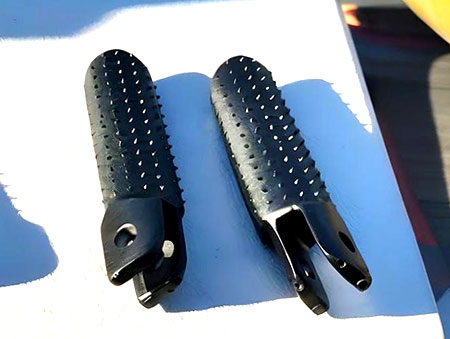
- Handgrepen en bedieningselementen: Op maat – gebogen stuur voor een betere ergonomie, en ook 3D – geprinte gasklephuizen en remhendels, kan worden aangepast aan de voorkeuren van de ruiter.
5. Veelgebruikte materialen voor 3D – Gedrukte motoronderdelen
Algemeen materiaal
- Kunststoffen: ABS (Acrylonitril-butadieen-styreen) is een populaire keuze vanwege zijn kracht, duurzaamheid, en het moet makkelijk af te drukken zijn. Het wordt vaak gebruikt voor onderdelen die tegen een stootje moeten kunnen, zoals stroomlijnkappen. PLA (Polymelkzuur) is een andere optie, bekend om zijn biologische afbreekbaarheid en goede afdrukkwaliteit. Het kan worden gebruikt voor niet- – kritieke onderdelen of prototypes.
- Composieten: Carbon – glasvezel – Versterkte polymeren worden gebruikt om onderdelen met een hoge sterkte te maken – naar – gewichtsverhoudingen. Deze zijn ideaal voor onderdelen zoals zitvlakken of structurele elementen waarbij zowel sterkte als lichtheid cruciaal zijn.
Metaalmaterialen
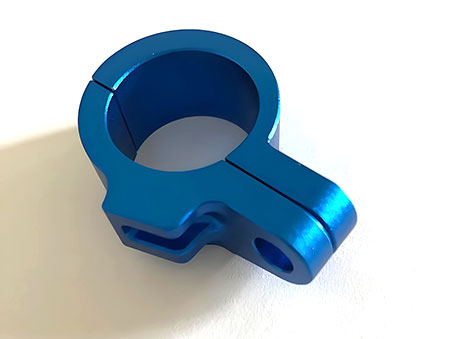
- Aluminium: Lichtgewicht en corrosiebestendig – bestendig, Aluminium wordt gebruikt voor allerlei onderdelen. Het kan in motorblokken worden gedrukt, wielen, of ophangingsonderdelen, het totale gewicht van de motorfiets verminderen zonder al te veel in te boeten aan sterkte.
- Titanium: Titanium biedt een uitstekende sterkte – naar – gewichtsverhouding en hoge corrosiebestendigheid. Het wordt vaak gebruikt voor hoge – benadruk onderdelen zoals frameverbindingen, assen, en hoog – onderdelen van de prestatiemotor.
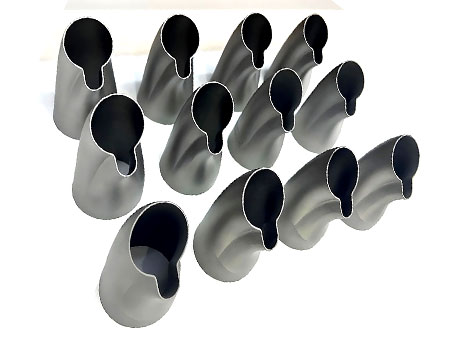
- Roestvrij staal: Bekend om zijn duurzaamheid en roestbestendigheid, Roestvrij staal is geschikt voor onderdelen die zware omgevingsomstandigheden moeten kunnen weerstaan, zoals uitlaatsystemen of bevestigingsmiddelen.
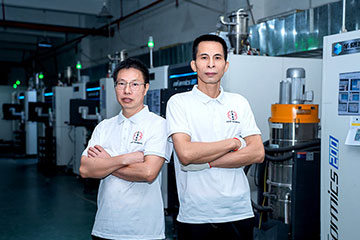
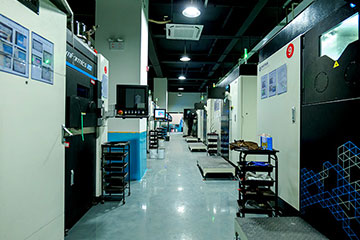
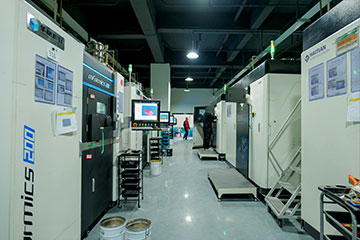
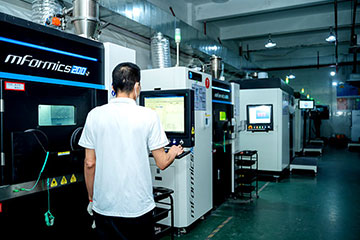
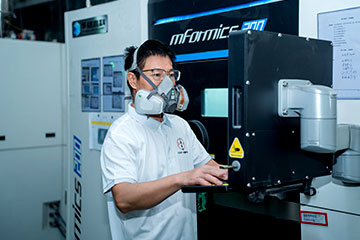
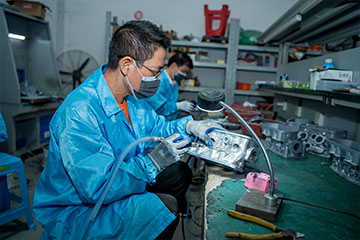
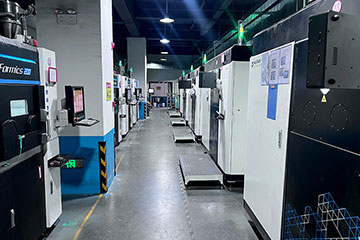
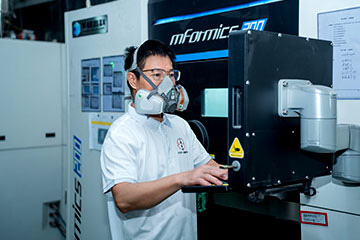
Wij zijn een industrieel – 3D-printfabriek. Ons voordeel zit hem in SLM-metaalprinting, zoals we hebben 30 dure SLM 3D-metaalprinters (en het aantal blijft stijgen). Bovendien, We hebben geïnvesteerd in zes fabrieken die gespecialiseerd zijn in 3D-printen en CNC-afwerking.
Veel van onze klanten komen uit de auto-industrie, en we hebben uitgebreide ervaring met 3D-printen voor de auto-industrie.
Welkom bij Consult.
Er is geen minimale afnamehoeveelheid (Minimale bestelhoeveelheid) hier eindigen, en we kunnen zelfs maar één stuk voor je op maat maken.

Juridische disclaimer:
1. DT (ook wel genoemd “DT 3D Print”) is een onafhankelijke fabrikant van aftermarket-onderdelen. Alle producten worden op maat 3D-geprint, niet-OEM-onderdelen.
2. We zijn niet gelieerd aan, aanbevolen door, of officieel verbonden met Harley – Davidson, Ducati, KTM, BMW Motorrad, Yamaha, Droog Moto, DAB Motors, of welke andere motor- of autofabrikant dan ook.
3. Alle merknamen, modelnamen, Verwijzingen naar motorfietsplatforms worden uitsluitend gebruikt om de montage en compatibiliteit te beschrijven.