
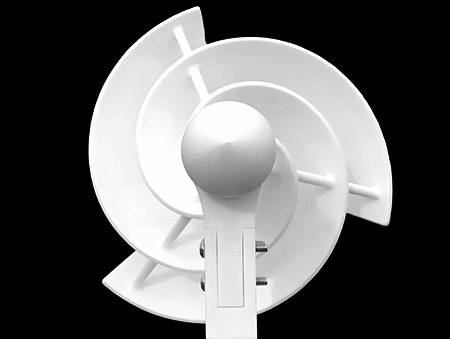
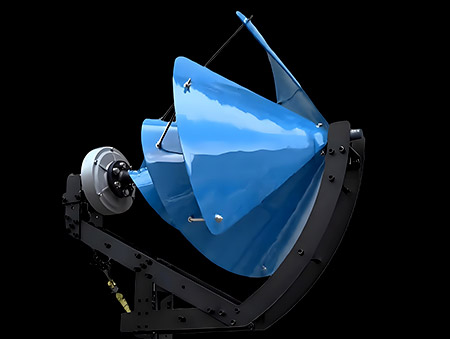
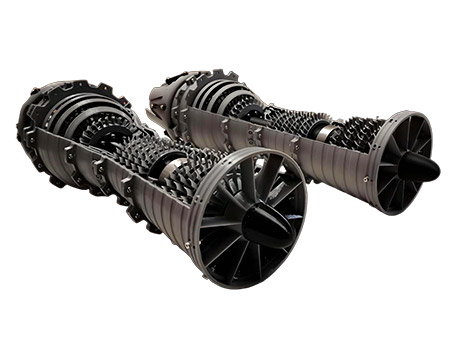
About Custom 3D Printed Vertical Axis, Archimedes, Liam F1 & Omnidirectional Wind Turbines
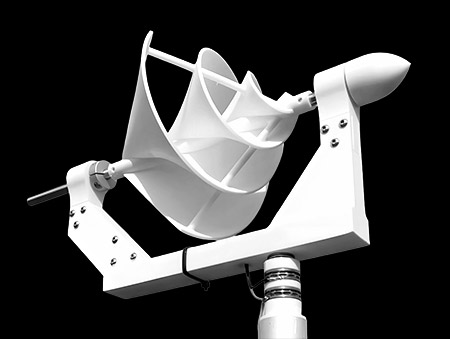
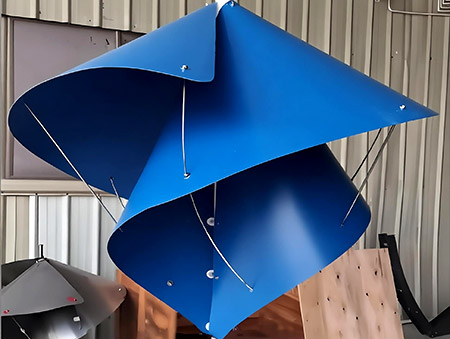
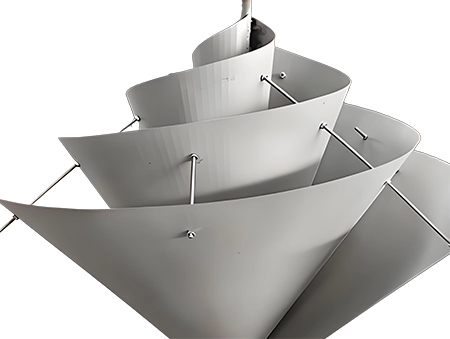
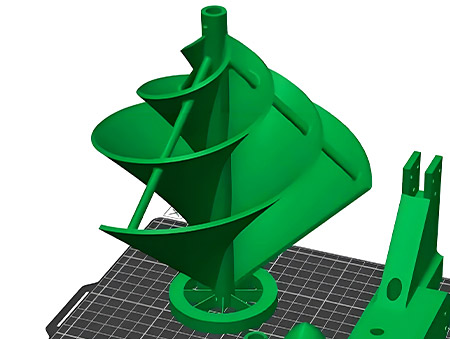
We specialize in 3D printed wind turbines and 3D printing wind turbine blades, covering vertical axis, Archimedes screw, Liam F1, O-wind and omnidirectional wind turbine models for various power needs.
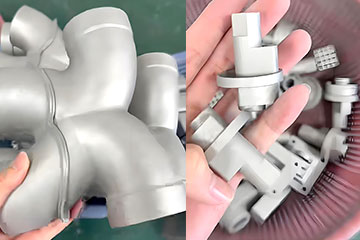
Our service includes 3D print wind turbine solutions, from 100W 3D printed wind turbines to custom wind turbine generators, with precise 3D printing for wind turbine blades and full-model customization.
We support 3D print for all types of wind turbines, including Ugrinsky, GE-related and omnidirectional designs, παρέχοντας ανθεκτικά, high-efficiency 3D printed wind turbines with fast lead times.
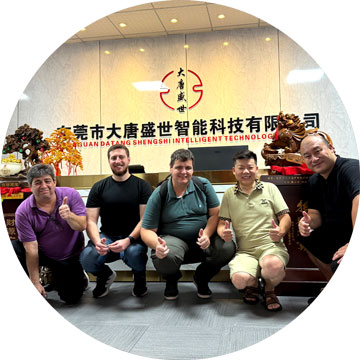
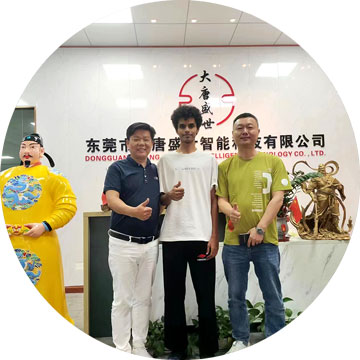
Μαρτυρίες από πελάτες B2B του εξωτερικού
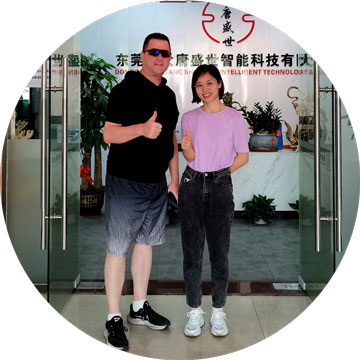
“Ανησυχούσα πολύ μήπως συμβεί κάτι κακό. Αλλά μετά τη λήψη του προϊόντος, Διαπίστωσα ότι η ανησυχία μου ήταν εντελώς περιττή. Η DT 3D Printing είναι ένα πολύ αξιόπιστο εργοστάσιο με εγγυημένη ποιότητα.”
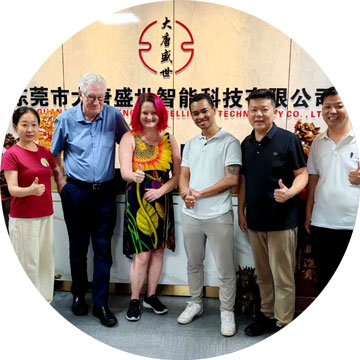
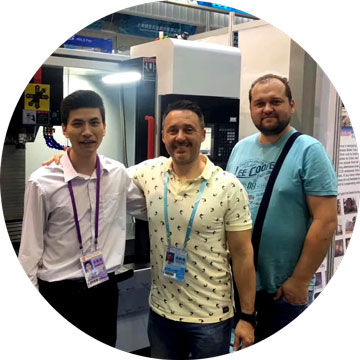
“Η ποιότητα του προϊόντος είναι κορυφαία – notch, η χειροτεχνία είναι εξαιρετική, το αποτέλεσμα εκτύπωσης είναι εξαιρετικό, και η ταχύτητα παράδοσης είναι πραγματικά γρήγορη. Συνολικά, προσφέρει εξαιρετική σχέση ποιότητας-τιμής, και είμαι εξαιρετικά ικανοποιημένος.”
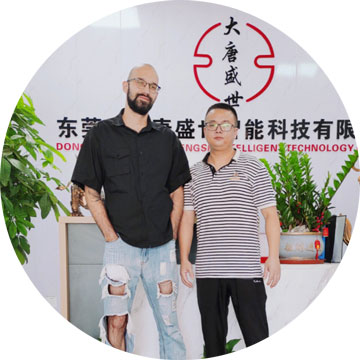
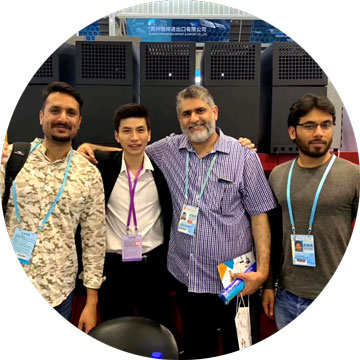
“Η ποιότητα εκτύπωσης είναι πραγματικά εξαιρετική, και η τιμή είναι αρκετά προσιτή. Η ταχύτητα της εφοδιαστικής αλυσίδας είναι επίσης γρήγορη. Συνολικά, Η DT είναι ένα αξιόπιστο εργοστάσιο, και θα συνεχίσουμε να συνεργαζόμαστε μαζί τους μακροπρόθεσμα.”



Σχετικά με εμάς
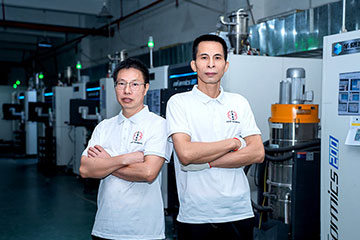
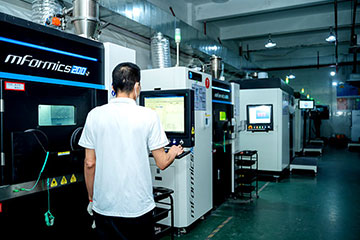
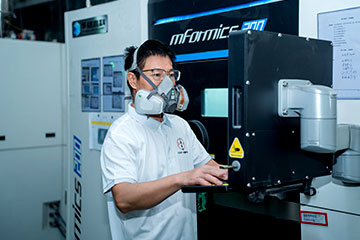
1. Είμαστε ειδικοί στην εκτύπωση 3D μετάλλων SLM.
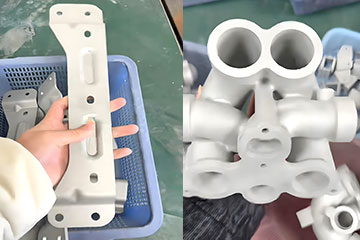
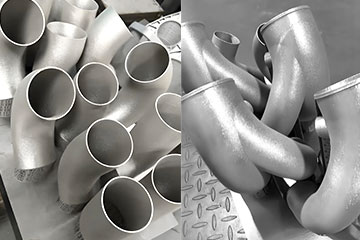
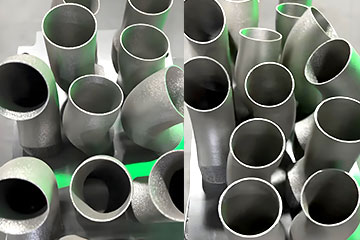
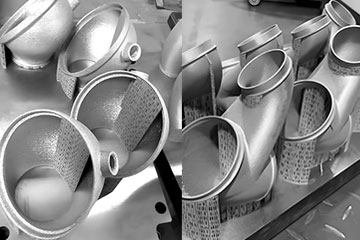
2. Κάνουμε 3D εκτύπωση μεταλλικών εξαρτημάτων για την αυτοκινητοβιομηχανία, ιατρικό, αεροσκάφος, αεροδιαστημική, drone, και ναυτιλιακές βιομηχανίες, χρησιμοποιώντας υλικά όπως ανοξείδωτο χάλυβα, τιτάνιο, χαλκός, αλουμίνιο και είδη κραμάτων.
3. Παρέχουμε ολοκληρωμένες υπηρεσίες εκτύπωσης 3D.
Οι υπηρεσίες μας περιλαμβάνουν:
SLM / SLA / MJF / FDM / SLS / DLP και CNC / Φινίρισμα επιφανειών
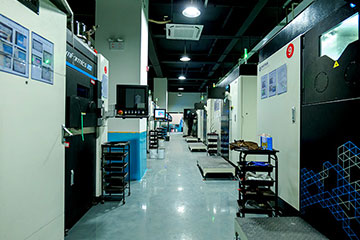
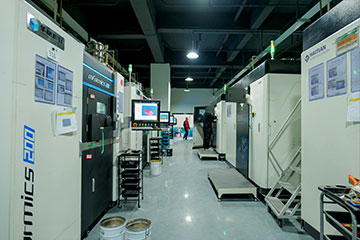
4. Είμαστε ιδιοκτήτες 33 3D εκτυπωτές SLM από μέταλλο και 60 πλαστικοί εκτυπωτές 3D, και οι αριθμοί συνεχίζουν να αυξάνονται.
5. Είμαστε προμηθευτής για πολλούς παγκόσμιους φορείς και εταιρείες στον τομέα της τρισδιάστατης εκτύπωσης.
More about Wind Turbines: Types, 3D Printing Adoption, and Materials
I. Types of Wind Turbines
Horizontal – Axis Wind Turbines (HAWTs)
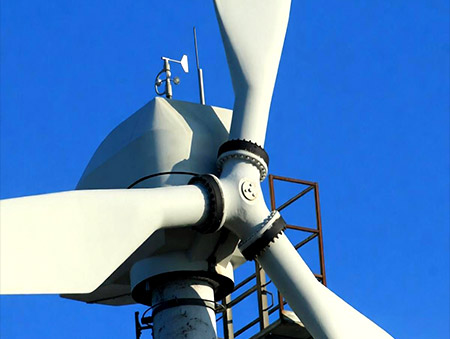
These are the most common type. Their blades rotate on a horizontal axis, parallel to the wind flow. HAWTs come in various sizes, from small residential units to massive utility – scale turbines. The large – scale ones can reach heights of over 100 meters and have blade spans of up to 100 meters or more. Their design allows for efficient power generation as the blades can capture a significant amount of wind energy.
Vertical – Axis Wind Turbines (VAWTs)
VAWTs have blades that rotate on a vertical axis, perpendicular to the ground. They are more suitable for urban and small – scale applications. One advantage is that they can capture wind from any direction without the need for a yaw mechanism to turn the turbine into the wind. They are also generally quieter and can be installed closer to buildings, making them ideal for distributed power generation in populated areas.
II. Reasons for Choosing 3D Printing in Wind Turbine Manufacturing
Ευελιξία στο σχεδιασμό
Wind turbines require components with complex geometries for optimal performance. 3D printing enables the creation of parts like blade root connections with highly customized designs. These can be tailored to specific load – bearing requirements, enhancing the overall efficiency and durability of the turbine. Για παράδειγμα, internal lattice structures can be printed to reduce weight while maintaining strength.
Κόστος – αποτελεσματικότητα για μικρές επιχειρήσεις – Παραγωγή κατά παρτίδες
Traditional manufacturing methods involve high setup costs for tooling, which can be a deterrent for producing small numbers of specialized turbine components. 3D printing eliminates this cost, making it viable for manufacturing low – volume parts, such as components for experimental or prototype turbines.
Γρήγορη δημιουργία πρωτοτύπων
In the development of new wind turbine designs, 3D printing allows for quick production of prototypes. Engineers can rapidly test and refine components, reducing the time from concept to market. This agility is crucial in an industry where continuous innovation is key to improving efficiency and reducing costs.
III. Materials Used in 3D – Printed Wind Turbines
Fiberglass – Reinforced Polymers
Fiberglass – reinforced polymers are commonly used due to their high strength – σε – weight ratio. They are ideal for manufacturing turbine blades, which need to be lightweight yet strong enough to withstand the forces of the wind. The 3D printing process can precisely layer these materials to create the desired blade shape and internal structure.
Άνθρακας – Reinforced Composites
Carbon fiber – reinforced composites offer even higher strength and stiffness compared to fiberglass – based materials. They are used in high – performance wind turbine components where extreme durability and lightweight characteristics are required. Although more expensive, they can significantly improve the efficiency and lifespan of the turbine.
Metals
For components that require high strength and corrosion resistance, such as tower brackets and some mechanical parts, metals like aluminum and stainless steel are used. Aluminum is lightweight and offers good corrosion resistance, while stainless steel provides excellent durability in harsh environmental conditions. 3D printing can produce complex metal parts with high precision, ensuring a perfect fit within the turbine structure.
Πώς να μειώσετε το κόστος προμηθειών?
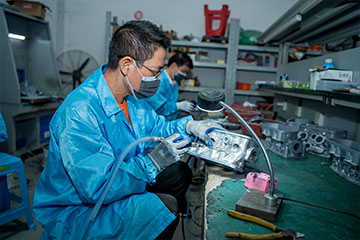
Συνεργαστείτε με προμηθευτές όπως η DT, η οποία προσφέρει πακέτα μετα-επεξεργασίας (θερμική επεξεργασία, λείανση, τελική επεξεργασία) για να αποφύγετε επιπλέον κόστος από διαφορετικούς προμηθευτές, δεδομένου ότι η DT παρέχει ολοκληρωμένες υπηρεσίες μέσω της 33 βιομηχανικοί εκτυπωτές 3D SLM υψηλών προδιαγραφών και 14 Μηχανές CNC για μετακατεργασία.
Το πλεονέκτημά μας έγκειται στην εκτύπωση μετάλλων SLM, όπως έχουμε 33 ακριβές μεταλλικές εκτυπωτές SLM 3D (και ο αριθμός συνεχίζει να αυξάνεται).
Καλώς ήρθατε στη συμβουλευτική.
Δεν υπάρχει ελάχιστη ποσότητα παραγγελίας (MOQ) (Ελάχιστη ποσότητα παραγγελίας) όριο εδώ. Μπορούμε να προσαρμόσουμε ακόμη και ένα μόνο κείμενο για εσάς.