
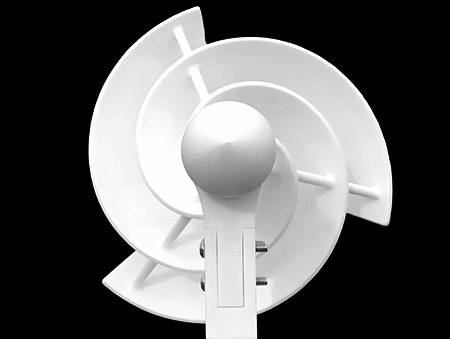
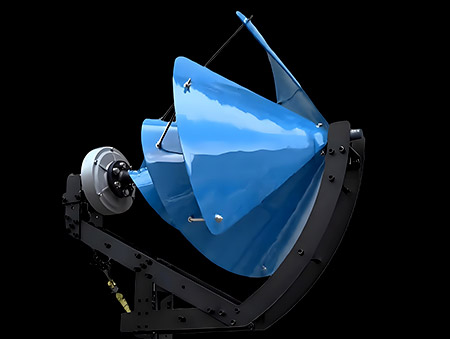
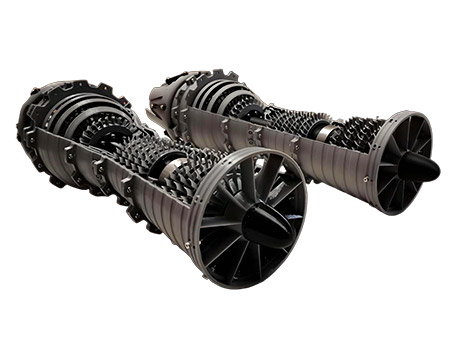
About Custom 3D Printed Vertical Axis, Archimedes, Liam F1 & Omnidirectional Wind Turbines
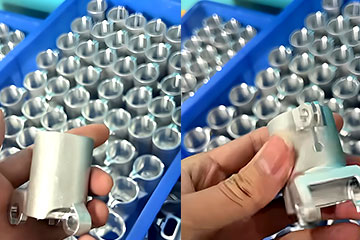
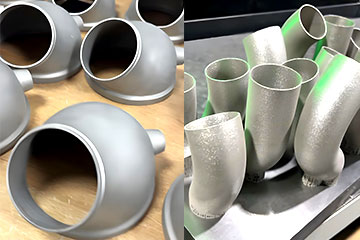
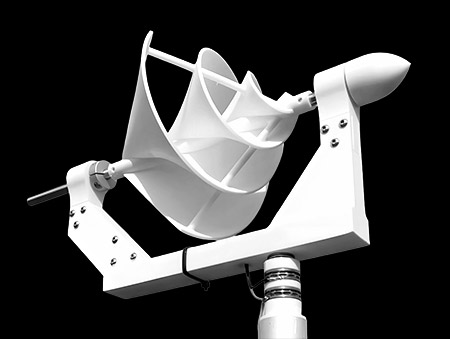
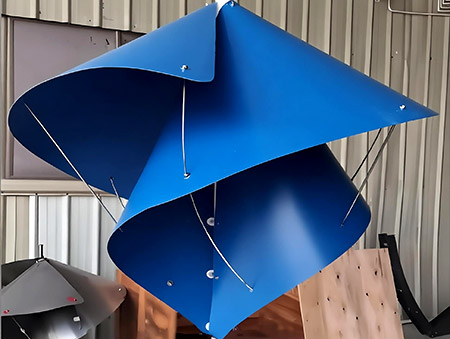
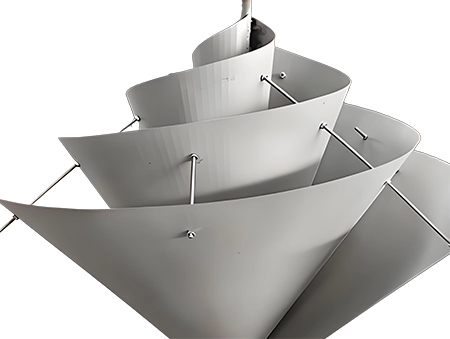
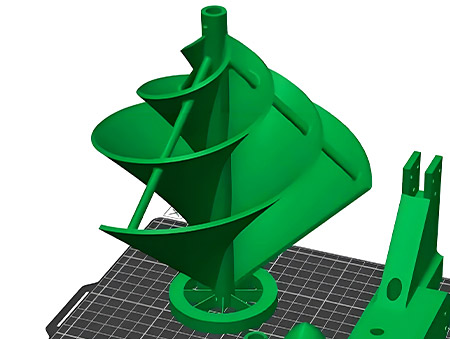
We specialize in 3D printed wind turbines and 3D printing wind turbine blades, covering vertical axis, Archimedes screw, Liam F1, O-wind and omnidirectional wind turbine models for various power needs.
Our service includes 3D print wind turbine solutions, from 100W 3D printed wind turbines to custom wind turbine generators, with precise 3D printing for wind turbine blades and full-model customization.
We support 3D print for all types of wind turbines, including Ugrinsky, GE-related and omnidirectional designs, delivering durable, high-efficiency 3D printed wind turbines with fast lead times.
Mărturii ale clienților B2B din străinătate
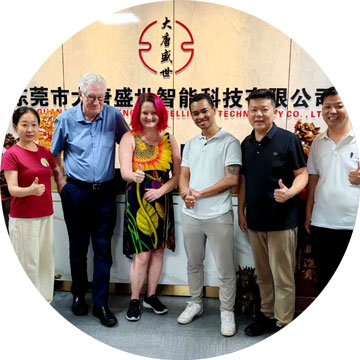
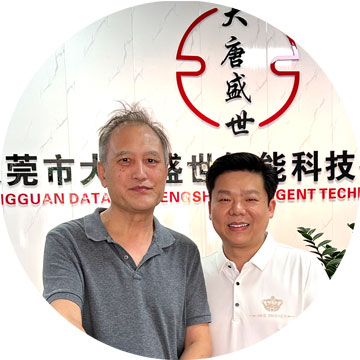
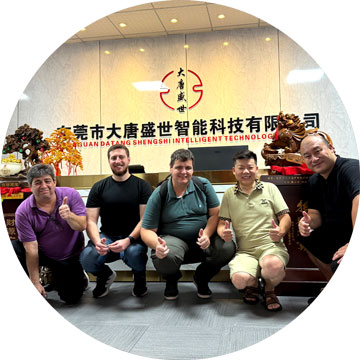
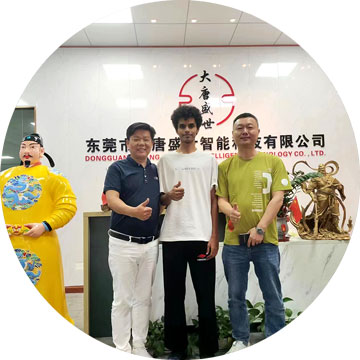
“Eram foarte îngrijorat că s-ar putea întâmpla ceva rău. Dar după ce ați primit produsul, Am constatat că îngrijorarea mea era total nejustificată. DT 3D Printing este o fabrică foarte fiabilă, cu calitate garantată.”
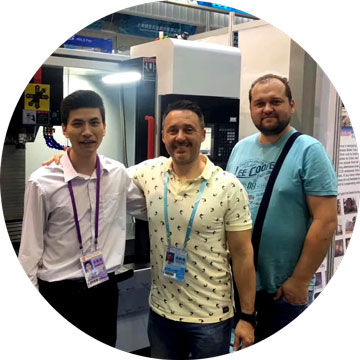
“Calitatea produsului este de top – notch, măiestria este excepțională, efectul de tipărire este excelent, iar viteza de livrare este foarte mare. În ansamblu, oferă un raport calitate-preț excelent, și sunt extrem de mulțumit.”
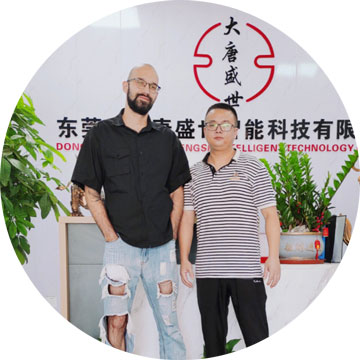
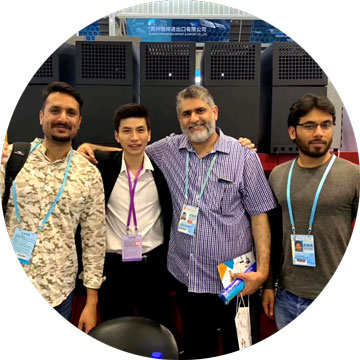
“Calitatea tipăririi este cu adevărat excelentă, iar prețul este destul de accesibil. Viteza serviciilor logistice este, de asemenea, rapidă. În concluzie, DT este o fabrică de încredere, și vom continua să colaborăm cu ei pe termen lung.”


Despre noi
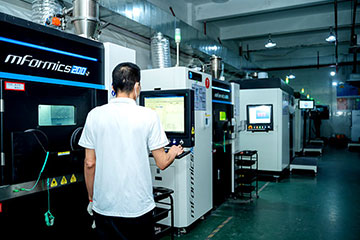
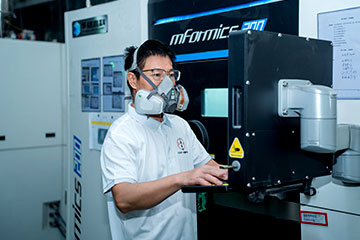
1. Suntem specialiști în imprimarea 3D cu metal SLM.
2. Realizăm imprimarea 3D a pieselor metalice pentru industria auto, medical, aeronavă, aerospațial, dronă, și industria navală, utilizând materiale precum oțelul inoxidabil, titan, cupru, aluminiul și tipurile de aliaje.
3. Oferim servicii complete de imprimare 3D.
Serviciile noastre includ:
SLM / SLA / MJF / FDM / SLS / DLP și CNC / Finisarea suprafețelor
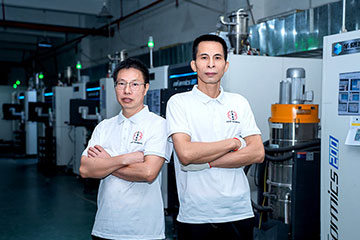
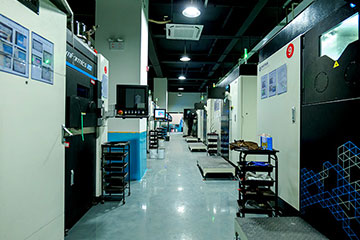
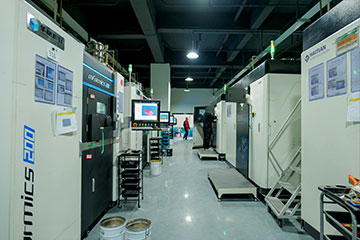
4. Noi deținem 33 Imprimantele 3D din metal SLM și 60 imprimante 3D din plastic, iar cifrele continuă să crească.
5. Suntem o sursă principală pentru numeroase instituții și companii globale din domeniul imprimării 3D.
More about Wind Turbines: Types, 3D Printing Adoption, and Materials
I. Types of Wind Turbines
Horizontal – Axis Wind Turbines (HAWTs)
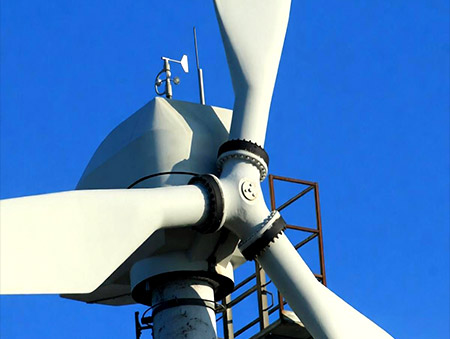
These are the most common type. Their blades rotate on a horizontal axis, parallel to the wind flow. HAWTs come in various sizes, from small residential units to massive utility – scale turbines. The large – scale ones can reach heights of over 100 meters and have blade spans of up to 100 meters or more. Their design allows for efficient power generation as the blades can capture a significant amount of wind energy.
Vertical – Axis Wind Turbines (VAWTs)
VAWTs have blades that rotate on a vertical axis, perpendicular to the ground. They are more suitable for urban and small – scale applications. One advantage is that they can capture wind from any direction without the need for a yaw mechanism to turn the turbine into the wind. They are also generally quieter and can be installed closer to buildings, making them ideal for distributed power generation in populated areas.
II. Reasons for Choosing 3D Printing in Wind Turbine Manufacturing
Design Flexibility
Wind turbines require components with complex geometries for optimal performance. 3D printing enables the creation of parts like blade root connections with highly customized designs. These can be tailored to specific load – bearing requirements, enhancing the overall efficiency and durability of the turbine. De exemplu, internal lattice structures can be printed to reduce weight while maintaining strength.
Cost – eficacitate pentru întreprinderile mici – Producție în serie
Traditional manufacturing methods involve high setup costs for tooling, which can be a deterrent for producing small numbers of specialized turbine components. 3D printing eliminates this cost, making it viable for manufacturing low – volume parts, such as components for experimental or prototype turbines.
Prototipare rapidă
In the development of new wind turbine designs, 3D printing allows for quick production of prototypes. Engineers can rapidly test and refine components, reducing the time from concept to market. This agility is crucial in an industry where continuous innovation is key to improving efficiency and reducing costs.
III. Materials Used in 3D – Printed Wind Turbines
Fiberglass – Reinforced Polymers
Fiberglass – reinforced polymers are commonly used due to their high strength – la – weight ratio. They are ideal for manufacturing turbine blades, which need to be lightweight yet strong enough to withstand the forces of the wind. The 3D printing process can precisely layer these materials to create the desired blade shape and internal structure.
Fibră de carbon – Reinforced Composites
Carbon fiber – reinforced composites offer even higher strength and stiffness compared to fiberglass – based materials. They are used in high – performance wind turbine components where extreme durability and lightweight characteristics are required. Although more expensive, they can significantly improve the efficiency and lifespan of the turbine.
Metals
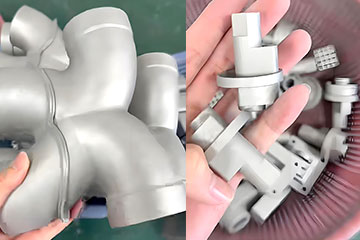
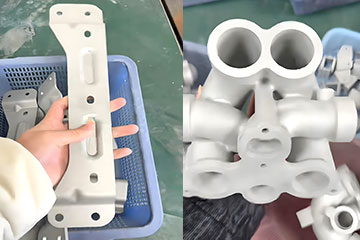
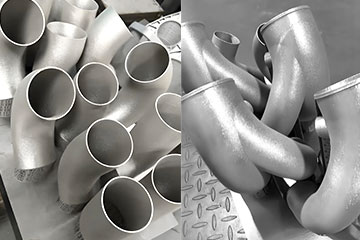
For components that require high strength and corrosion resistance, such as tower brackets and some mechanical parts, metals like aluminum and stainless steel are used. Aluminum is lightweight and offers good corrosion resistance, while stainless steel provides excellent durability in harsh environmental conditions. 3D printing can produce complex metal parts with high precision, ensuring a perfect fit within the turbine structure.
Cum să reduceți costurile de achiziții?
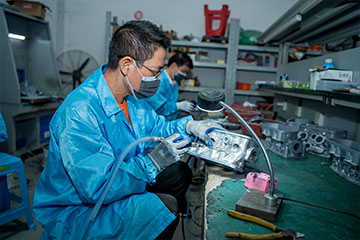
Work with suppliers just like DT who offers post-processing bundles (tratament termic, șlefuire, finisare) pentru a evita costuri suplimentare din partea furnizorilor independenți, întrucât DT oferă un serviciu complet prin intermediul 33 imprimante 3D industriale SLM de înaltă performanță și 14 Mașini CNC pentru post-prelucrare.
Our advantage lies in SLM metal printing, as we have 33 expensive SLM 3D metal printers (and the number is still growing).
Vă invităm să ne contactați.
Nu există o cantitate minimă de comandă (MOQ) (Cantitatea minimă de comandă) limită aici. Putem personaliza chiar și un singur text pentru dumneavoastră.