
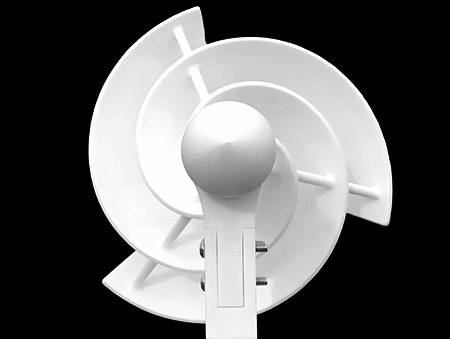
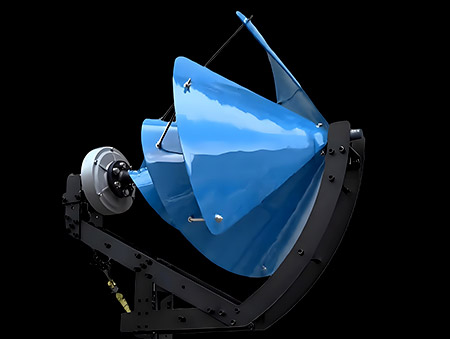
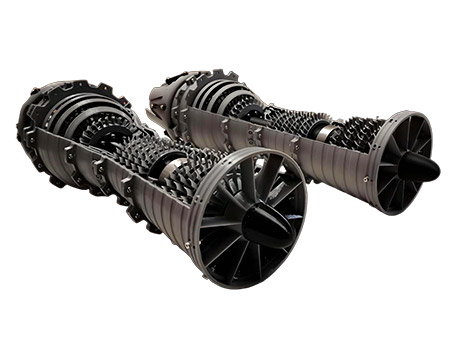
About Custom 3D Printed Vertical Axis, Archimedes, Liam F1 & Omnidirectional Wind Turbines
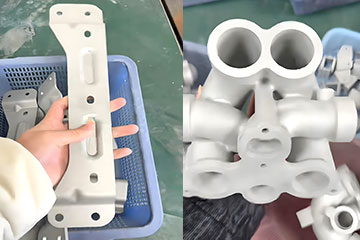
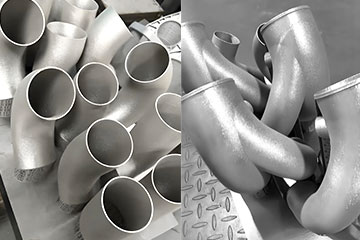
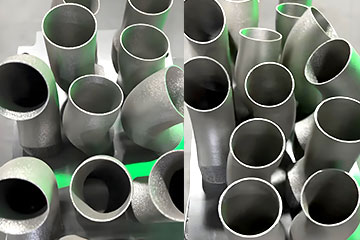
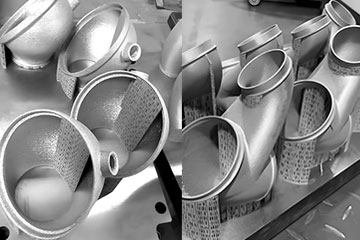
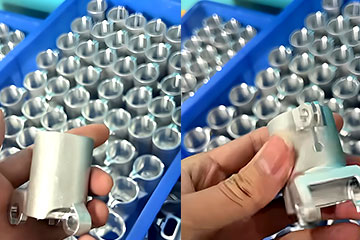
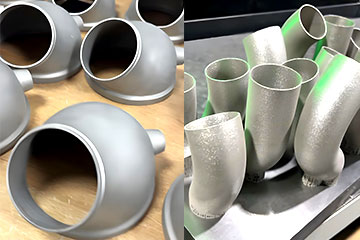
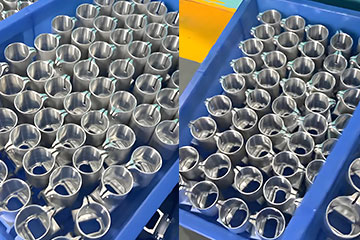
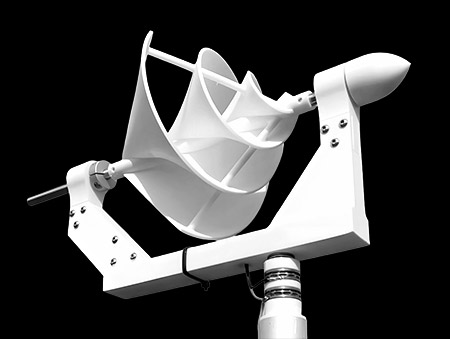
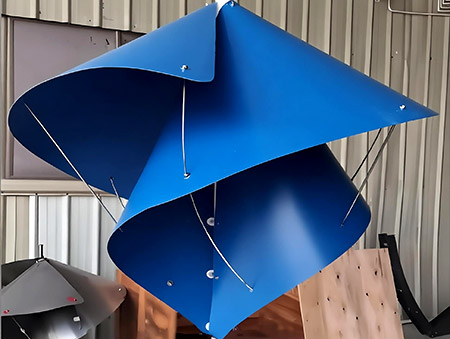
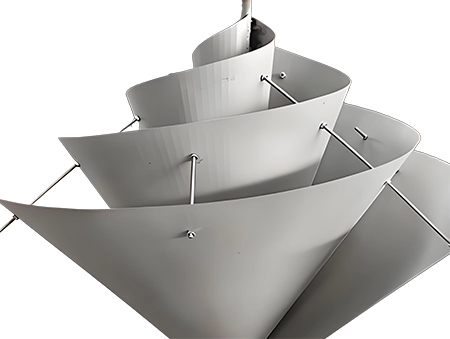
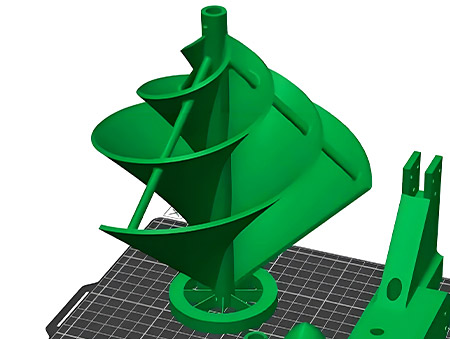
We specialize in 3D printed wind turbines and 3D printing wind turbine blades, covering vertical axis, Archimedes screw, Liam F1, O-wind and omnidirectional wind turbine models for various power needs.
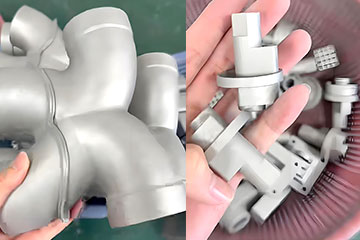
Our service includes 3D print wind turbine solutions, from 100W 3D printed wind turbines to custom wind turbine generators, with precise 3D printing for wind turbine blades and full-model customization.
We support 3D print for all types of wind turbines, including Ugrinsky, GE-related and omnidirectional designs, 내구성이 뛰어난, high-efficiency 3D printed wind turbines with fast lead times.
Testimonials from Overseas B2B Clients
“무슨 안 좋은 일이 생길까 봐 정말 걱정되었습니다. 하지만 제품을 수령한 후, 제 걱정은 전혀 불필요한 것이었음을 알게 되었습니다. DT 3D Printing은 품질이 보장된 매우 신뢰할 수 있는 공장입니다.”
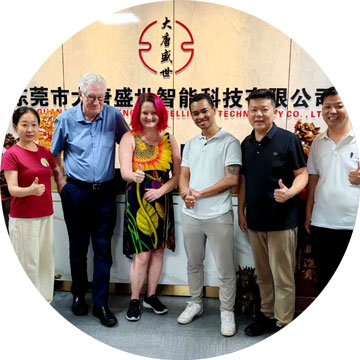
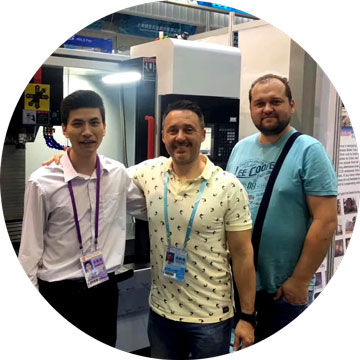
“제품 품질은 최고입니다 – notch, 장인 정신이 돋보입니다, 인쇄 효과가 훌륭합니다, 배송 속도가 정말 빠릅니다. 전체적으로, 가격 대비 훌륭한 가치를 제공합니다, 그리고 저는 매우 만족합니다.”
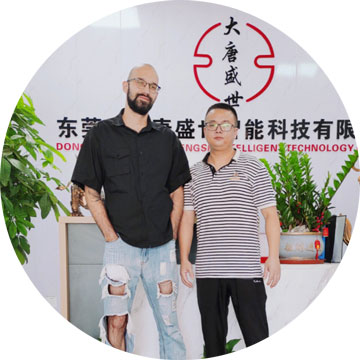
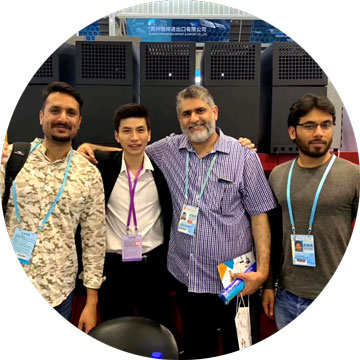
“인쇄 품질이 정말 훌륭합니다, 그리고 가격은 꽤 합리적입니다. 물류 처리 속도도 빠릅니다. 종합하자면, DT는 신뢰할 수 있는 공장입니다, 그리고 앞으로도 그들과 지속적으로 협력해 나갈 것입니다.”

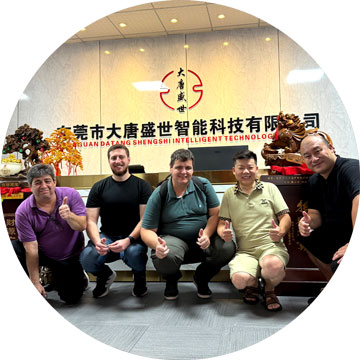
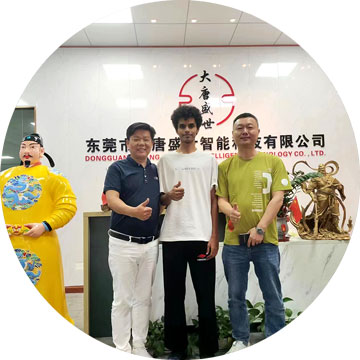


회사 소개
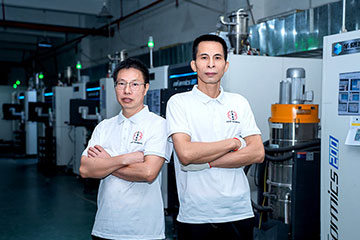
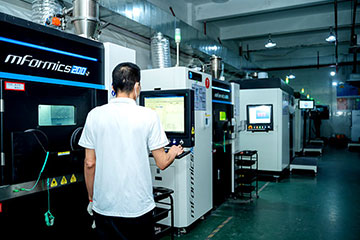
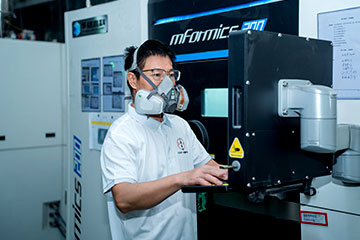
1. 저희는 SLM 금속 3D 프린팅 전문 기업입니다.
2. 당사는 자동차용 금속 부품을 3D 프린팅합니다., 의료, 항공기, 항공우주, 드론, 및 선박 산업, 스테인리스강과 같은 재료를 사용하여, 티타늄, 구리, 알루미늄과 합금의 종류.
3. 원스톱 3D 프린팅 서비스를 제공합니다.
당사의 서비스에는 다음이 포함됩니다:
SLM / SLA / MJF / FDM / SLS / DLP 및 CNC / 표면 마감
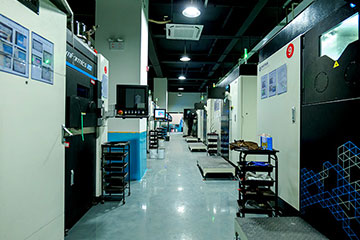
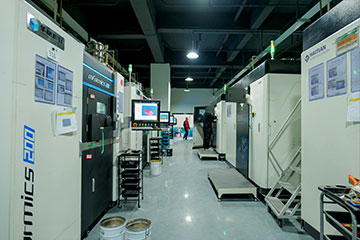
4. 저희는 33 SLM 금속 3D 프린터 및 60 플라스틱 3D 프린터, 그리고 그 숫자는 계속 늘어나고 있습니다.
5. 당사는 전 세계 수많은 3D 프린팅 기관 및 기업을 위한 원자재 공급처입니다..
More about Wind Turbines: Types, 3D Printing Adoption, and Materials
I. Types of Wind Turbines
Horizontal – Axis Wind Turbines (HAWTs)
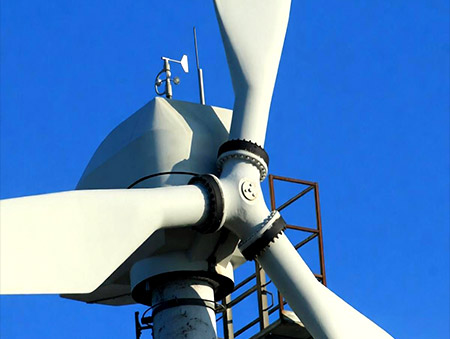
These are the most common type. Their blades rotate on a horizontal axis, parallel to the wind flow. HAWTs come in various sizes, from small residential units to massive utility – scale turbines. The large – scale ones can reach heights of over 100 meters and have blade spans of up to 100 meters or more. Their design allows for efficient power generation as the blades can capture a significant amount of wind energy.
Vertical – Axis Wind Turbines (VAWTs)
VAWTs have blades that rotate on a vertical axis, perpendicular to the ground. They are more suitable for urban and small – scale applications. One advantage is that they can capture wind from any direction without the need for a yaw mechanism to turn the turbine into the wind. They are also generally quieter and can be installed closer to buildings, making them ideal for distributed power generation in populated areas.
II. Reasons for Choosing 3D Printing in Wind Turbine Manufacturing
디자인 유연성
Wind turbines require components with complex geometries for optimal performance. 3D printing enables the creation of parts like blade root connections with highly customized designs. These can be tailored to specific load – bearing requirements, enhancing the overall efficiency and durability of the turbine. 예시, internal lattice structures can be printed to reduce weight while maintaining strength.
Cost – effectiveness for Small – batch Production
Traditional manufacturing methods involve high setup costs for tooling, which can be a deterrent for producing small numbers of specialized turbine components. 3D printing eliminates this cost, making it viable for manufacturing low – volume parts, such as components for experimental or prototype turbines.
신속한 프로토타이핑
In the development of new wind turbine designs, 3D printing allows for quick production of prototypes. Engineers can rapidly test and refine components, reducing the time from concept to market. This agility is crucial in an industry where continuous innovation is key to improving efficiency and reducing costs.
III. Materials Used in 3D – Printed Wind Turbines
Fiberglass – Reinforced Polymers
Fiberglass – reinforced polymers are commonly used due to their high strength – 로 – weight ratio. They are ideal for manufacturing turbine blades, which need to be lightweight yet strong enough to withstand the forces of the wind. The 3D printing process can precisely layer these materials to create the desired blade shape and internal structure.
탄소 섬유 – Reinforced Composites
Carbon fiber – reinforced composites offer even higher strength and stiffness compared to fiberglass – based materials. They are used in high – performance wind turbine components where extreme durability and lightweight characteristics are required. Although more expensive, they can significantly improve the efficiency and lifespan of the turbine.
금속
For components that require high strength and corrosion resistance, such as tower brackets and some mechanical parts, metals like aluminum and stainless steel are used. Aluminum is lightweight and offers good corrosion resistance, while stainless steel provides excellent durability in harsh environmental conditions. 3D printing can produce complex metal parts with high precision, ensuring a perfect fit within the turbine structure.
How to Lower Procurement Costs?
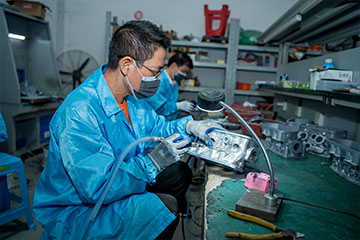
Work with suppliers just like DT who offers post-processing bundles (열처리, sanding, finishing) to avoid extra markup from separate vendors, since DT provides one-stop service with their 33 high-end industrial SLM 3D printers and 14 CNC machines for post-processing.
Our advantage lies in SLM metal printing, as we have 33 expensive SLM 3D metal printers (and the number is still growing).
Welcome to consult.
There is no MOQ (Minimum Order Quantity) limit here. We can customize even just one piece for you.