
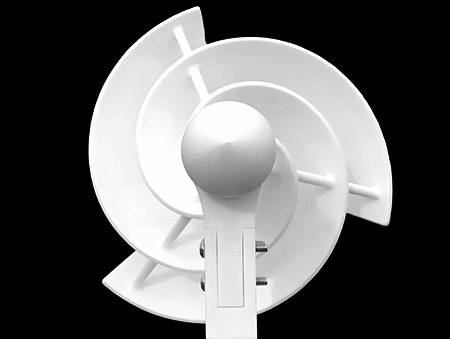
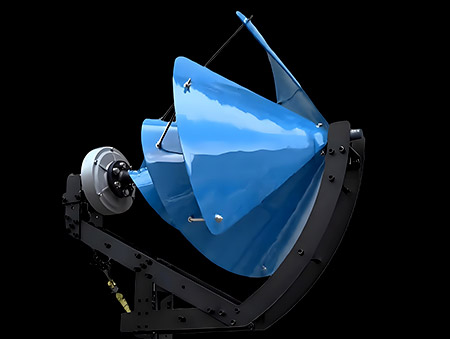
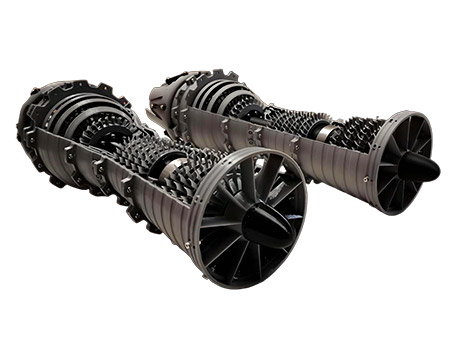
About Custom 3D Printed Vertical Axis, Archimedes, Liam F1 & Omnidirectional Wind Turbines
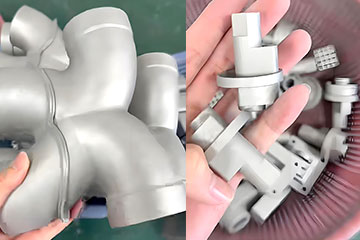
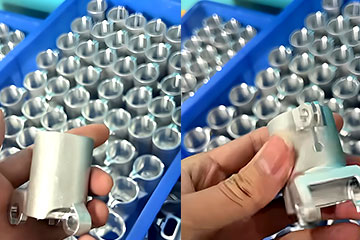
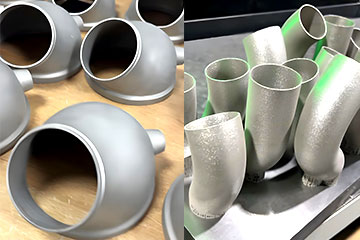
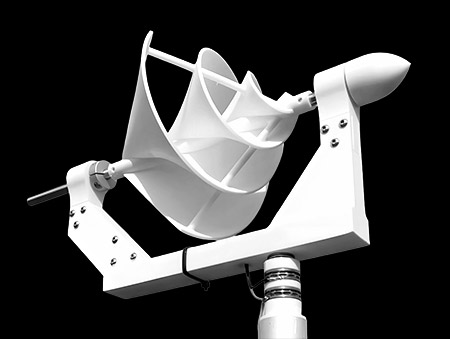
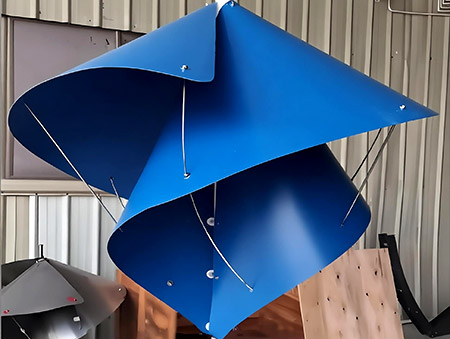
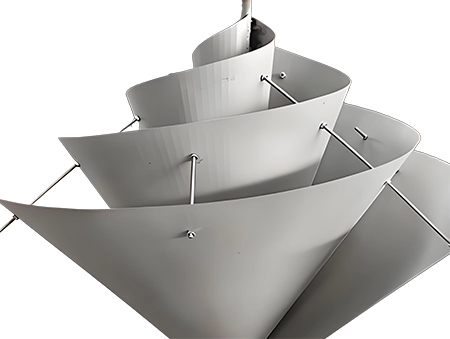
We specialize in 3D printed wind turbines and 3D printing wind turbine blades, covering vertical axis, Archimedes screw, Liam F1, O-wind and omnidirectional wind turbine models for various power needs.
Our service includes 3D print wind turbine solutions, from 100W 3D printed wind turbines to custom wind turbine generators, with precise 3D printing for wind turbine blades and full-model customization.
We support 3D print for all types of wind turbines, including Ugrinsky, GE-related and omnidirectional designs, garantire la durata, high-efficiency 3D printed wind turbines with fast lead times.
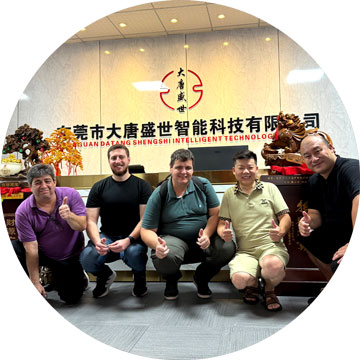
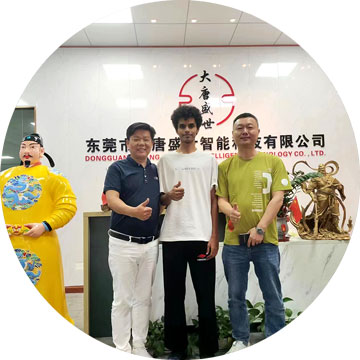
Testimonianze di clienti B2B dall’estero
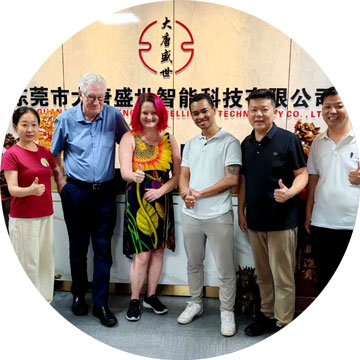
“Ero molto preoccupato che potesse succedere qualcosa di brutto. Ma dopo aver ricevuto il prodotto, Ho scoperto che la mia preoccupazione era del tutto infondata. DT 3D Printing è un’azienda molto affidabile con qualità garantita.”
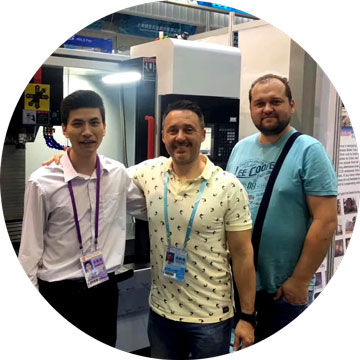
“La qualità del prodotto è eccellente – notch, La maestria artigianale è squisita, L'effetto di stampa è eccellente, e la velocità di consegna è davvero veloce. In generale, offre un ottimo rapporto qualità-prezzo, e sono estremamente soddisfatto.”
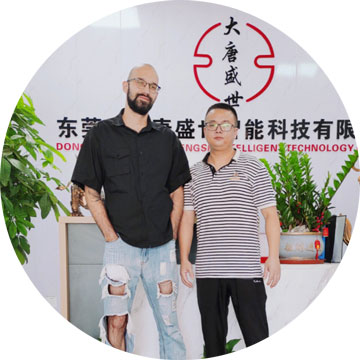
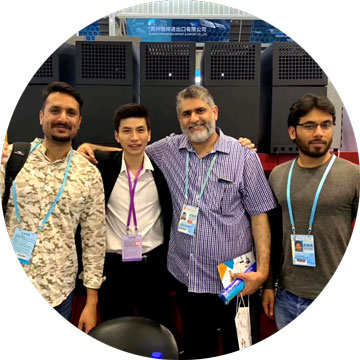
“La qualità di stampa è davvero ottima, e il prezzo è piuttosto conveniente. Anche la logistica è veloce. In sintesi, DT è un’azienda affidabile, e continueremo a collaborare con loro nel lungo periodo.”



Chi siamo
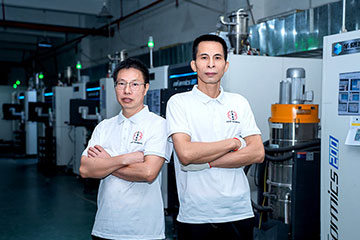
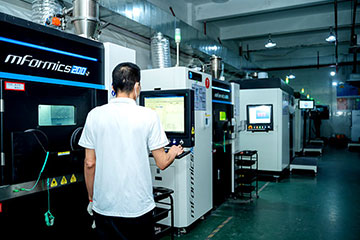
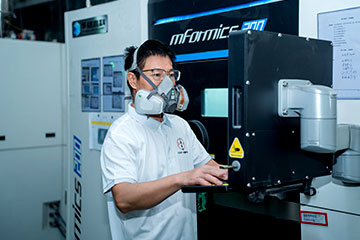
1. Siamo specialisti nella stampa 3D in metallo SLM.
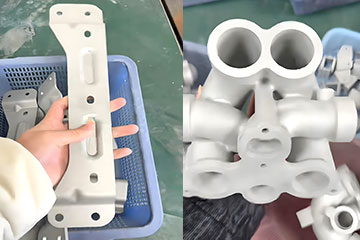
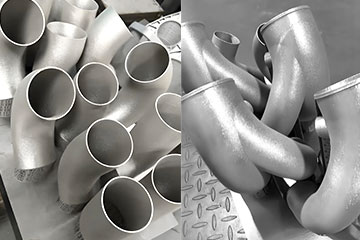
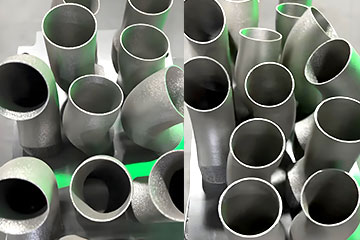
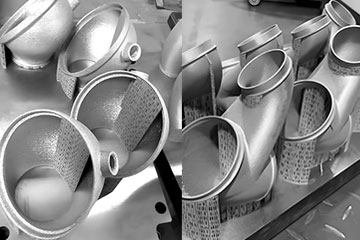
2. Realizziamo parti metalliche in stampa 3D per il settore automobilistico, medico, aeromobile, aerospaziale, drone, e il settore nautico, utilizzando materiali come l’acciaio inossidabile, titanio, rame, alluminio e tipi di leghe.
3. Offriamo un servizio completo di stampa 3D.
I nostri servizi includono:
SLM / SLA / MJF / FDM / SLS / DLP e CNC / Finitura superficiale
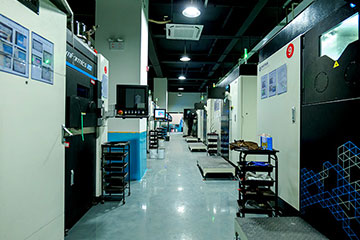
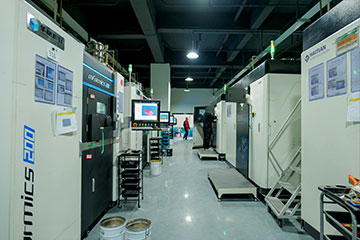
4. Possediamo 33 Stampanti 3D in metallo SLM e 60 stampanti 3D in plastica, e i numeri continuano a crescere.
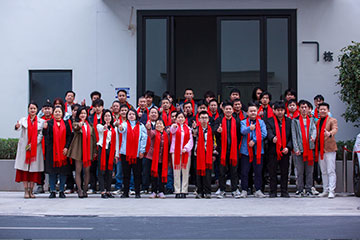
5. Siamo un fornitore di riferimento per molte istituzioni e aziende globali nel settore della stampa 3D.
More about Wind Turbines: Types, 3D Printing Adoption, and Materials
I. Types of Wind Turbines
Horizontal – Axis Wind Turbines (HAWTs)
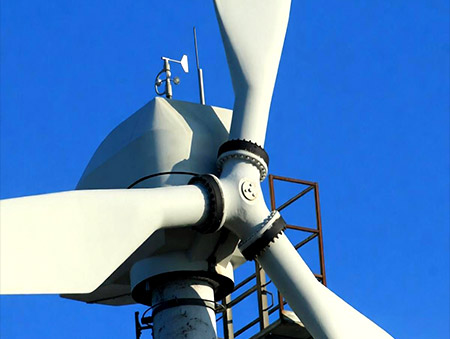
These are the most common type. Their blades rotate on a horizontal axis, parallel to the wind flow. HAWTs come in various sizes, from small residential units to massive utility – scale turbines. The large – scale ones can reach heights of over 100 meters and have blade spans of up to 100 meters or more. Their design allows for efficient power generation as the blades can capture a significant amount of wind energy.
Vertical – Axis Wind Turbines (VAWTs)
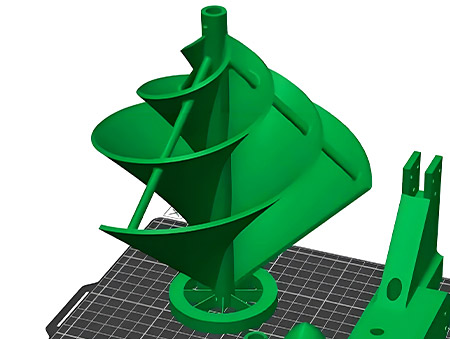
VAWTs have blades that rotate on a vertical axis, perpendicular to the ground. They are more suitable for urban and small – scale applications. One advantage is that they can capture wind from any direction without the need for a yaw mechanism to turn the turbine into the wind. They are also generally quieter and can be installed closer to buildings, making them ideal for distributed power generation in populated areas.
II. Reasons for Choosing 3D Printing in Wind Turbine Manufacturing
Flessibilità nel design
Wind turbines require components with complex geometries for optimal performance. 3D printing enables the creation of parts like blade root connections with highly customized designs. These can be tailored to specific load – bearing requirements, enhancing the overall efficiency and durability of the turbine. Ad esempio, internal lattice structures can be printed to reduce weight while maintaining strength.
Costo – efficacia per le piccole imprese – Produzione in serie
Traditional manufacturing methods involve high setup costs for tooling, which can be a deterrent for producing small numbers of specialized turbine components. 3D printing eliminates this cost, making it viable for manufacturing low – volume parts, such as components for experimental or prototype turbines.
Prototipazione rapida
In the development of new wind turbine designs, 3D printing allows for quick production of prototypes. Engineers can rapidly test and refine components, reducing the time from concept to market. This agility is crucial in an industry where continuous innovation is key to improving efficiency and reducing costs.
III. Materials Used in 3D – Printed Wind Turbines
Fiberglass – Reinforced Polymers
Fiberglass – reinforced polymers are commonly used due to their high strength – a – rapporto di peso. They are ideal for manufacturing turbine blades, which need to be lightweight yet strong enough to withstand the forces of the wind. The 3D printing process can precisely layer these materials to create the desired blade shape and internal structure.
Fibra di carbonio – Reinforced Composites
Carbon fiber – reinforced composites offer even higher strength and stiffness compared to fiberglass – based materials. They are used in high – performance wind turbine components where extreme durability and lightweight characteristics are required. Although more expensive, they can significantly improve the efficiency and lifespan of the turbine.
Metals
For components that require high strength and corrosion resistance, such as tower brackets and some mechanical parts, metals like aluminum and stainless steel are used. Aluminum is lightweight and offers good corrosion resistance, while stainless steel provides excellent durability in harsh environmental conditions. 3D printing can produce complex metal parts with high precision, ensuring a perfect fit within the turbine structure.
Come ridurre i costi di approvvigionamento?
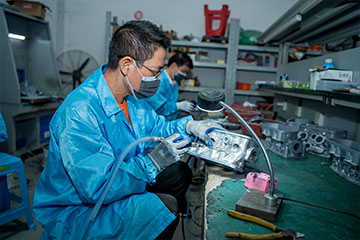
Collabora con fornitori proprio come DT, che offre pacchetti di post-elaborazione (trattamento termico, levigatura, finitura) per evitare costi aggiuntivi da fornitori esterni, visto che DT offre un servizio completo con il proprio 33 stampanti 3D industriali SLM di fascia alta e 14 Macchine CNC per la post-lavorazione.
Il nostro punto di forza è la stampa su metallo SLM, come abbiamo 33 costose stampanti 3D in metallo SLM (e il numero continua a crescere).
Benvenuto alla consulenza.
Non c'è un quantitativo minimo d'ordine (MOQ) (Quantità minima d'ordine) limite qui. Possiamo personalizzare anche un solo testo per te.