
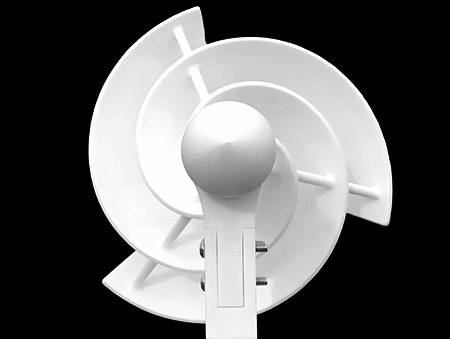
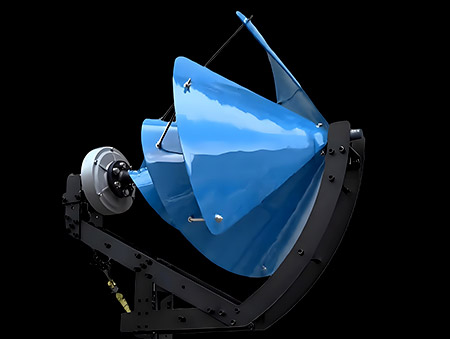
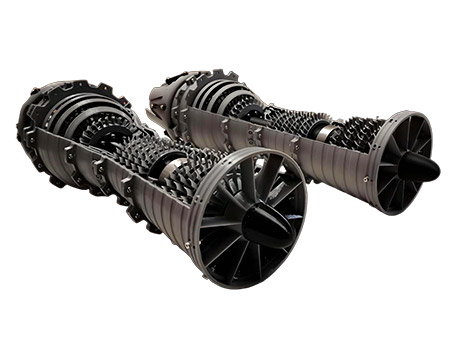
About Custom 3D Printed Vertical Axis, Archimedes, Liam F1 & Omnidirectional Wind Turbines
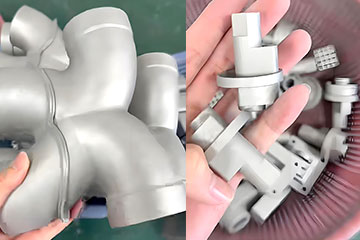
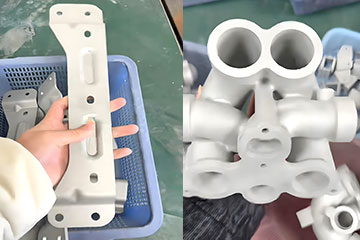
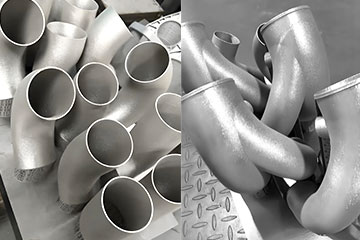
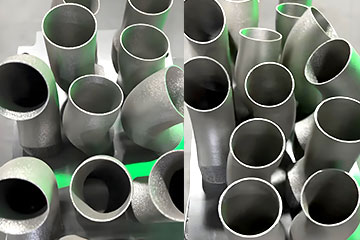
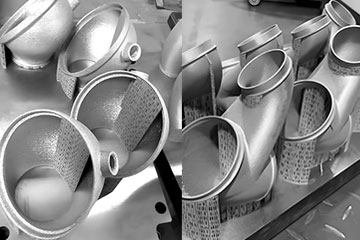
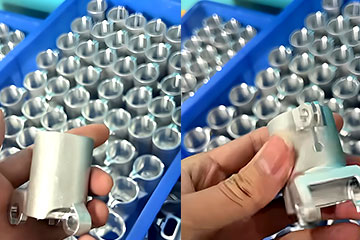
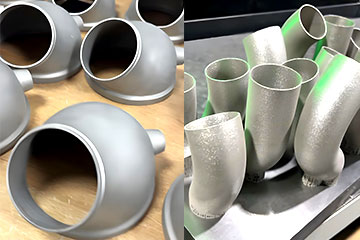
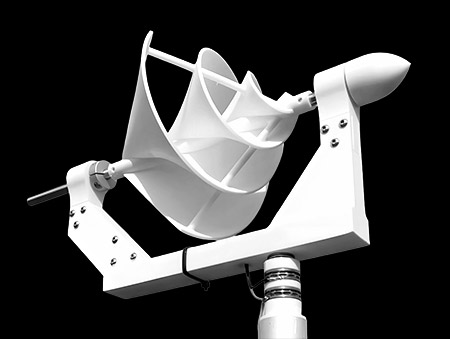
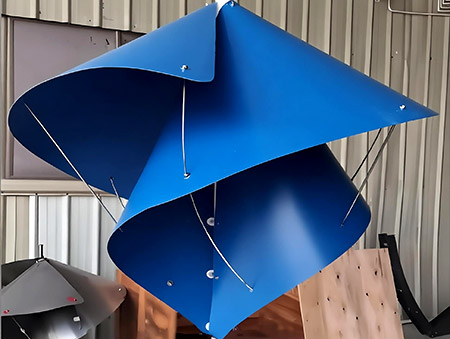
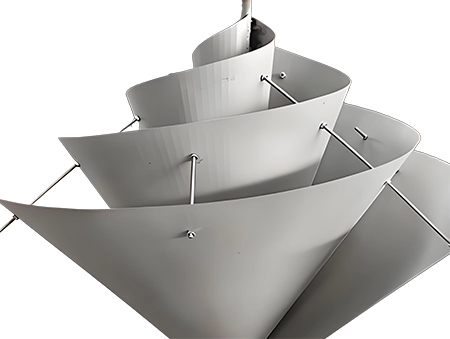
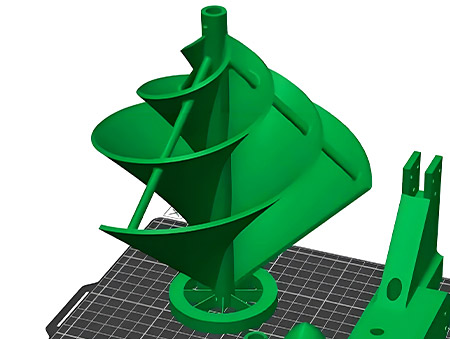
We specialize in 3D printed wind turbines and 3D printing wind turbine blades, covering vertical axis, Archimedes screw, Liam F1, O-wind and omnidirectional wind turbine models for various power needs.
Our service includes 3D print wind turbine solutions, from 100W 3D printed wind turbines to custom wind turbine generators, with precise 3D printing for wind turbine blades and full-model customization.
We support 3D print for all types of wind turbines, including Ugrinsky, GE-related and omnidirectional designs, oferecendo durabilidade, high-efficiency 3D printed wind turbines with fast lead times.
Testemunhos de clientes B2B estrangeiros
“Estava muito preocupado que algo de mau pudesse acontecer. Mas depois de receberes o produto, Descobri que a minha preocupação era totalmente desnecessária. A DT 3D Printing é uma fábrica muito fiável com qualidade garantida.”
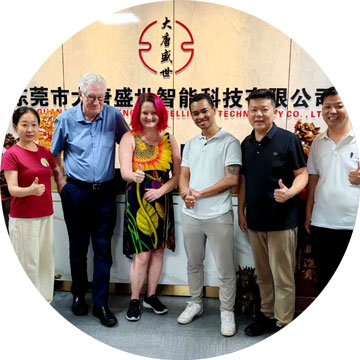
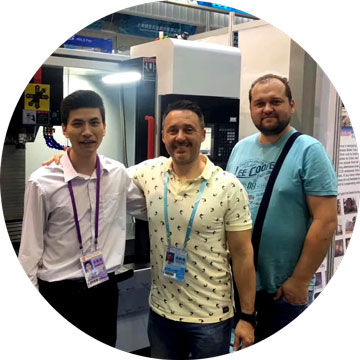
“A qualidade do produto é excelente – notch, o trabalho artesanal é requintado, O efeito de impressão é excelente, e a entrega é mesmo rápida. Em geral, oferece uma excelente relação qualidade/preço, e estou extremamente satisfeito.”
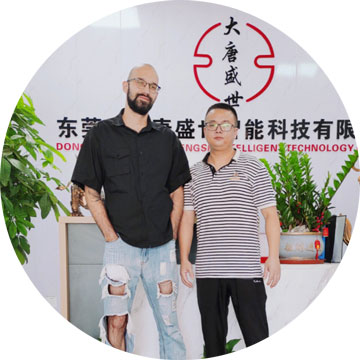
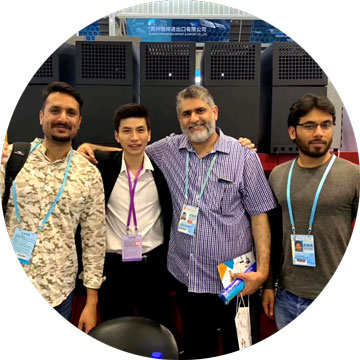
“A qualidade de impressão é mesmo excelente, e o preço é bastante acessível. A rapidez da logística também é elevada. Resumindo, A DT é uma fábrica de confiança, e vamos continuar a colaborar com eles a longo prazo.”



Sobre nós
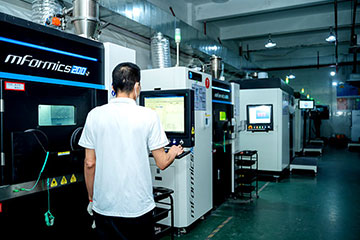
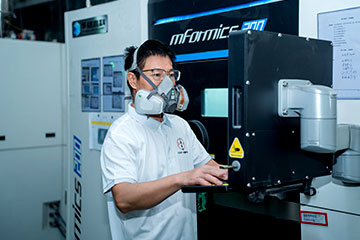
1. Somos especialistas em impressão 3D em metal SLM.
2. Fazemos impressão 3D de peças metálicas para a indústria automóvel, médico, aeronave, aeroespacial, drone, e indústrias náuticas, utilizando materiais como o aço inoxidável, titânio, cobre, alumínio e tipos de ligas.
3. Oferecemos um serviço completo de impressão 3D.
Os nossos serviços incluem:
SLM / SLA / MJF / FDM / SLS / DLP e CNC / Acabamento de Superfícies
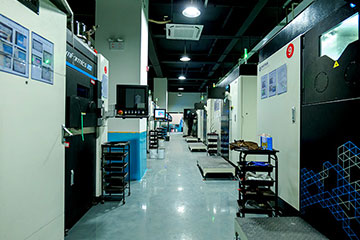
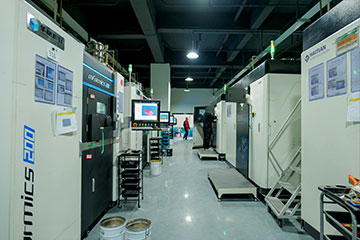
4. Somos donos de 33 Impressoras 3D de metal SLM e 60 impressoras 3D de plástico, e os números continuam a crescer.
5. Somos uma fábrica de peças para muitas instituições e empresas globais de impressão 3D.
More about Wind Turbines: Types, 3D Printing Adoption, and Materials
I. Types of Wind Turbines
Horizontal – Axis Wind Turbines (HAWTs)
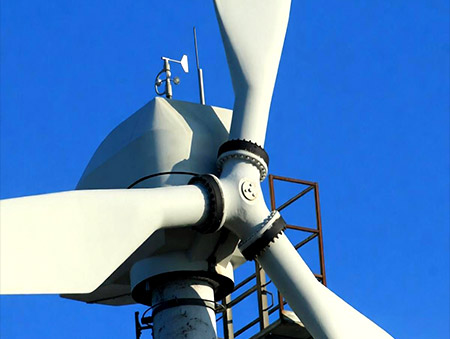
These are the most common type. Their blades rotate on a horizontal axis, parallel to the wind flow. HAWTs come in various sizes, from small residential units to massive utility – scale turbines. The large – scale ones can reach heights of over 100 meters and have blade spans of up to 100 meters or more. Their design allows for efficient power generation as the blades can capture a significant amount of wind energy.
Vertical – Axis Wind Turbines (VAWTs)
VAWTs have blades that rotate on a vertical axis, perpendicular to the ground. They are more suitable for urban and small – scale applications. One advantage is that they can capture wind from any direction without the need for a yaw mechanism to turn the turbine into the wind. They are also generally quieter and can be installed closer to buildings, making them ideal for distributed power generation in populated areas.
II. Reasons for Choosing 3D Printing in Wind Turbine Manufacturing
Flexibilidade de design
Wind turbines require components with complex geometries for optimal performance. 3D printing enables the creation of parts like blade root connections with highly customized designs. These can be tailored to specific load – bearing requirements, enhancing the overall efficiency and durability of the turbine. Por exemplo, internal lattice structures can be printed to reduce weight while maintaining strength.
Custo – effectiveness for Small – batch Production
Traditional manufacturing methods involve high setup costs for tooling, which can be a deterrent for producing small numbers of specialized turbine components. 3D printing eliminates this cost, making it viable for manufacturing low – volume parts, such as components for experimental or prototype turbines.
Prototipagem Rápida
In the development of new wind turbine designs, 3D printing allows for quick production of prototypes. Engineers can rapidly test and refine components, reducing the time from concept to market. This agility is crucial in an industry where continuous innovation is key to improving efficiency and reducing costs.
III. Materials Used in 3D – Printed Wind Turbines
Fiberglass – Reinforced Polymers
Fiberglass – reinforced polymers are commonly used due to their high strength – para – weight ratio. They are ideal for manufacturing turbine blades, which need to be lightweight yet strong enough to withstand the forces of the wind. The 3D printing process can precisely layer these materials to create the desired blade shape and internal structure.
Fibra de carbono – Reinforced Composites
Carbon fiber – reinforced composites offer even higher strength and stiffness compared to fiberglass – based materials. They are used in high – performance wind turbine components where extreme durability and lightweight characteristics are required. Although more expensive, they can significantly improve the efficiency and lifespan of the turbine.
Metais
For components that require high strength and corrosion resistance, such as tower brackets and some mechanical parts, metals like aluminum and stainless steel are used. Aluminum is lightweight and offers good corrosion resistance, while stainless steel provides excellent durability in harsh environmental conditions. 3D printing can produce complex metal parts with high precision, ensuring a perfect fit within the turbine structure.
Como reduzir os custos de aquisição?
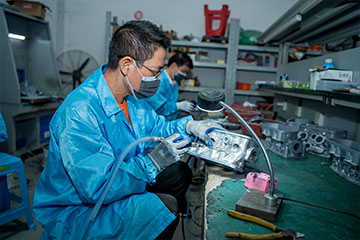
Trabalha com fornecedores como a DT, que oferece pacotes de pós-processamento (tratamento térmico, lixagem, finalização) para evitar margens de lucro adicionais de fornecedores independentes, uma vez que a DT oferece um serviço completo com o seu 33 impressoras 3D SLM industriais de gama alta e 14 Máquinas CNC para pós-processamento.
A nossa vantagem está na impressão em metal SLM, como já temos 33 impressoras 3D de metal SLM caras (e o número continua a crescer).
Bem-vindo à consult.
Não há quantidade mínima de encomenda (MOQ) (Quantidade mínima de encomenda) limite aqui. Podemos personalizar até mesmo só uma peça para ti.