

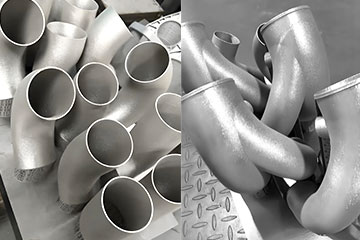
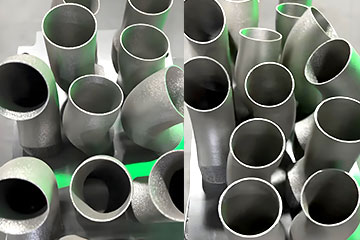
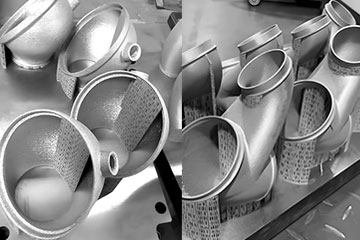
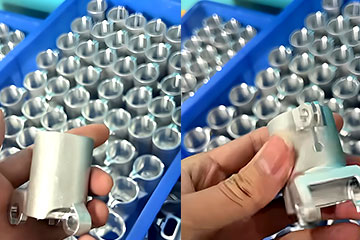
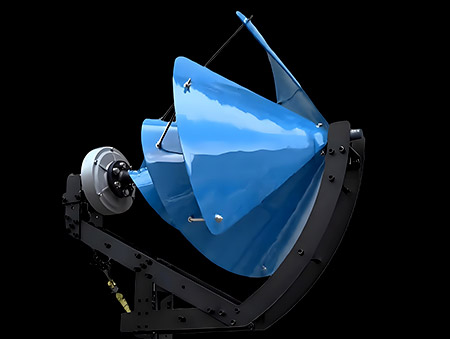
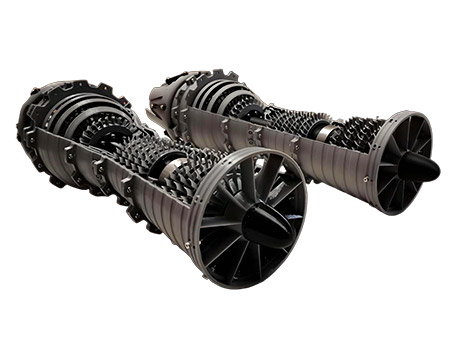
About Custom 3D Printed Vertical Axis, Archimedes, Liam F1 & Omnidirectional Wind Turbines
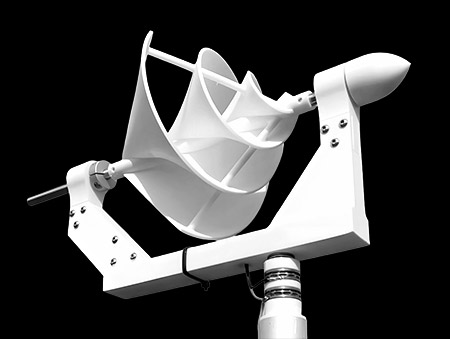
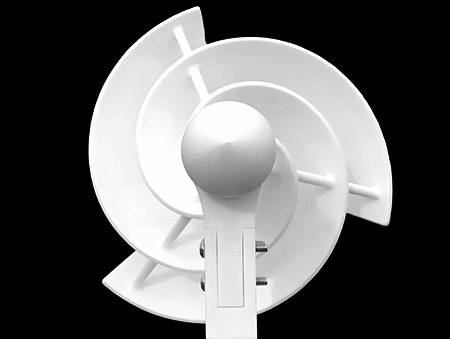
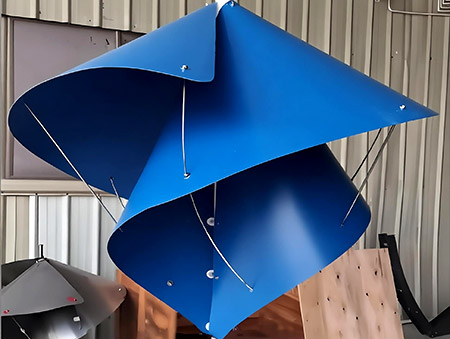
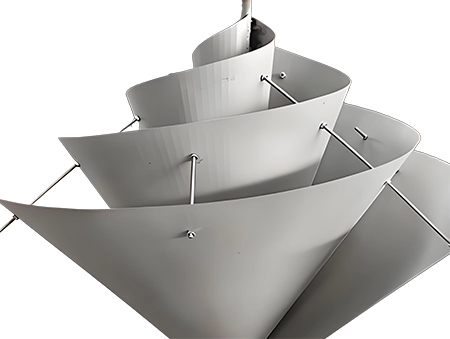
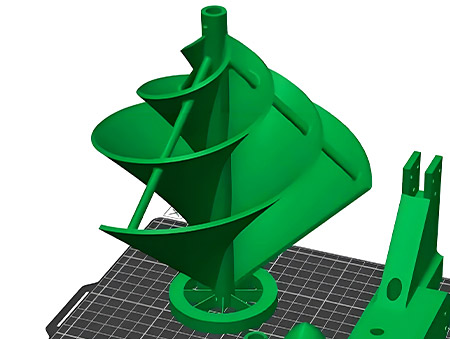
We specialize in 3D printed wind turbines and 3D printing wind turbine blades, covering vertical axis, Archimedes screw, Liam F1, O-wind and omnidirectional wind turbine models for various power needs.
Our service includes 3D print wind turbine solutions, from 100W 3D printed wind turbines to custom wind turbine generators, with precise 3D printing for wind turbine blades and full-model customization.
We support 3D print for all types of wind turbines, including Ugrinsky, GE-related and omnidirectional designs, dayanıklı ürünler sunmak, high-efficiency 3D printed wind turbines with fast lead times.
Yurtdışındaki B2B Müşterilerinden Gelen Referanslar
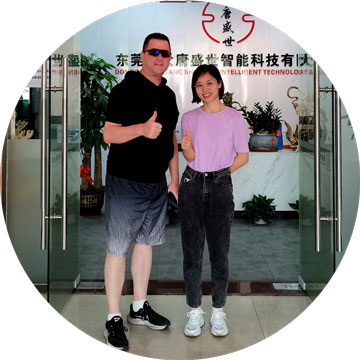
“Kötü bir şey olacağından çok endişeliydim. Ancak ürünü aldıktan sonra, Endişemin tamamen yersiz olduğunu anladım. DT 3D Printing, kalitesi garantili, son derece güvenilir bir fabrikadır.”

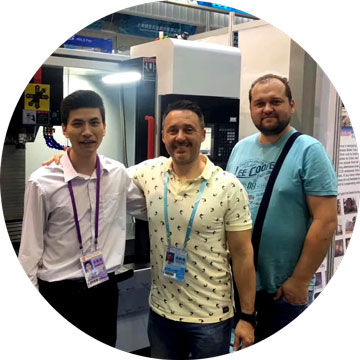
“Ürün kalitesi en üst düzeyde – notch, zanaatkarlık muhteşem, baskı kalitesi mükemmel, ve teslimat hızı gerçekten çok hızlı. Genel, fiyat-performans oranı çok iyi, ve son derece memnunum.”


“Baskı kalitesi gerçekten harika, ve fiyatı oldukça uygun. Lojistik hızı da yüksektir. Sonuç olarak, DT güvenilir bir fabrikadır, ve uzun vadede onlarla işbirliğimizi sürdüreceğiz.”





Hakkımızda
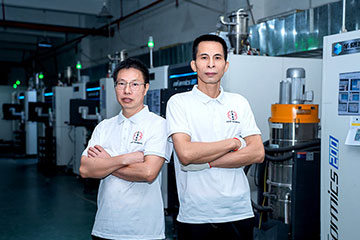
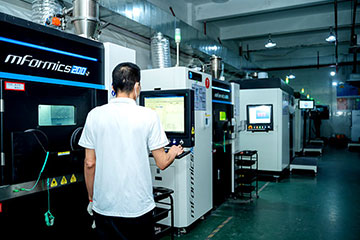
1. Biz SLM metal 3D baskı uzmanlarıyız.
2. Otomotiv sektörü için metal parçaları 3D baskıyla üretiyoruz, tıbbi, uçak, havacılık, drone, ve tekne endüstrileri, paslanmaz çelik gibi malzemeler kullanarak, titanyum, bakır, alüminyum ve alaşım türleri.
3. Tek elden 3D baskı hizmeti sunuyoruz.
Hizmetlerimiz şunları içerir:
SLM / SLA / MJF / FDM / SLS / DLP ve CNC / Yüzey İşleme
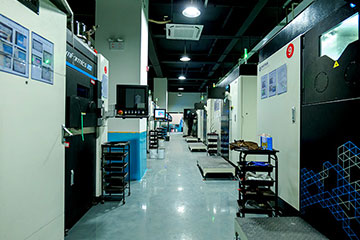
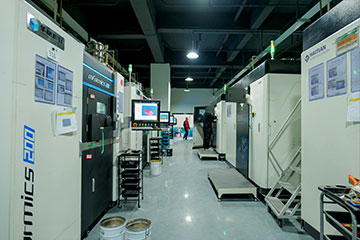
4. Bizim 33 SLM metal 3D yazıcılar ve 60 plastik 3D yazıcılar, ve sayılar artmaya devam ediyor.
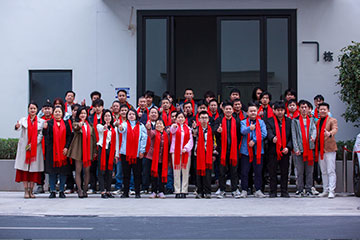
5. Birçok küresel 3D baskı kurumu ve şirketi için kaynak fabrikasıyız.
More about Wind Turbines: Types, 3D Printing Adoption, and Materials
I. Types of Wind Turbines
Horizontal – Axis Wind Turbines (HAWTs)
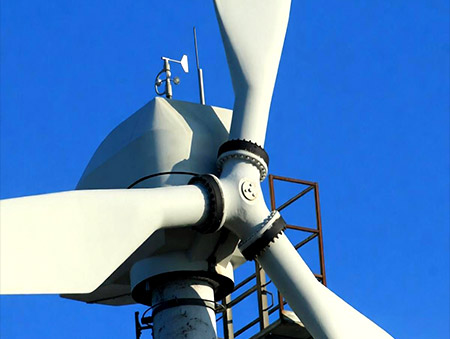
These are the most common type. Their blades rotate on a horizontal axis, parallel to the wind flow. HAWTs come in various sizes, from small residential units to massive utility – scale turbines. The large – scale ones can reach heights of over 100 meters and have blade spans of up to 100 meters or more. Their design allows for efficient power generation as the blades can capture a significant amount of wind energy.
Vertical – Axis Wind Turbines (VAWTs)
VAWTs have blades that rotate on a vertical axis, perpendicular to the ground. They are more suitable for urban and small – scale applications. One advantage is that they can capture wind from any direction without the need for a yaw mechanism to turn the turbine into the wind. They are also generally quieter and can be installed closer to buildings, making them ideal for distributed power generation in populated areas.
II. Reasons for Choosing 3D Printing in Wind Turbine Manufacturing
Tasarım Esnekliği
Wind turbines require components with complex geometries for optimal performance. 3D printing enables the creation of parts like blade root connections with highly customized designs. These can be tailored to specific load – bearing requirements, enhancing the overall efficiency and durability of the turbine. Örneğin, internal lattice structures can be printed to reduce weight while maintaining strength.
Cost – effectiveness for Small – batch Production
Traditional manufacturing methods involve high setup costs for tooling, which can be a deterrent for producing small numbers of specialized turbine components. 3D printing eliminates this cost, making it viable for manufacturing low – volume parts, such as components for experimental or prototype turbines.
Hızlı Prototipleme
In the development of new wind turbine designs, 3D printing allows for quick production of prototypes. Engineers can rapidly test and refine components, reducing the time from concept to market. This agility is crucial in an industry where continuous innovation is key to improving efficiency and reducing costs.
III. Materials Used in 3D – Printed Wind Turbines
Fiberglass – Reinforced Polymers
Fiberglass – reinforced polymers are commonly used due to their high strength – to – weight ratio. They are ideal for manufacturing turbine blades, which need to be lightweight yet strong enough to withstand the forces of the wind. The 3D printing process can precisely layer these materials to create the desired blade shape and internal structure.
Karbon Fiber – Reinforced Composites
Carbon fiber – reinforced composites offer even higher strength and stiffness compared to fiberglass – based materials. They are used in high – performance wind turbine components where extreme durability and lightweight characteristics are required. Although more expensive, they can significantly improve the efficiency and lifespan of the turbine.
Metaller
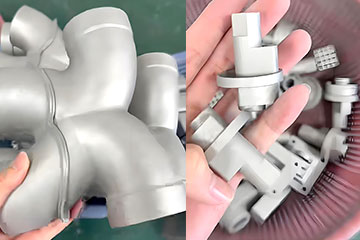
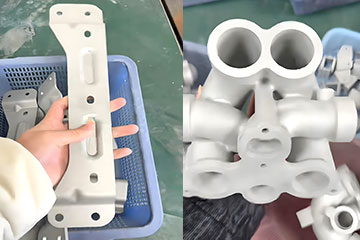
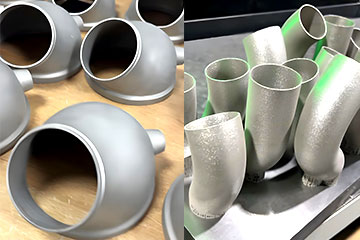
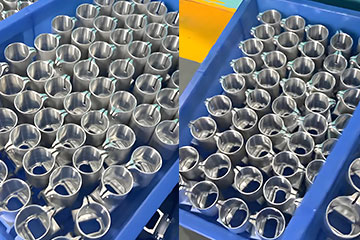
For components that require high strength and corrosion resistance, such as tower brackets and some mechanical parts, metals like aluminum and stainless steel are used. Aluminum is lightweight and offers good corrosion resistance, while stainless steel provides excellent durability in harsh environmental conditions. 3D printing can produce complex metal parts with high precision, ensuring a perfect fit within the turbine structure.
Tedarik Maliyetlerini Düşürme Yolları?
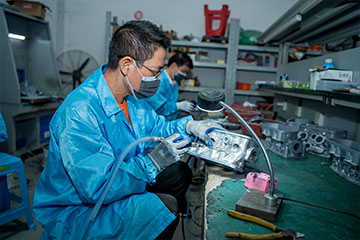
DT gibi, son işlem paketleri sunan tedarikçilerle çalışın (ısı işlemi, zımparalama, sonlandırma) ayrı tedarikçilerden kaynaklanan ekstra kâr marjını önlemek için, DT, sunduğu hizmetlerle tek elden hizmet sağladığından 33 üst düzey endüstriyel SLM 3D yazıcılar ve 14 Son işlem için CNC makineleri.
Avantajımız SLM metal baskı teknolojisinde yatmaktadır, daha önce de belirttiğimiz gibi 33 pahalı SLM 3D metal yazıcılar (ve bu sayı giderek artıyor).
Danışmanlık hizmetimize hoş geldiniz.
Minimum sipariş miktarı (MOQ) yoktur. (Minimum Sipariş Miktarı) burada sınırlandırın. Sizin için tek bir metni bile özelleştirebiliriz.