

Testimonials from Overseas Clients

“I was very worried that something bad would happen. But after receiving the product, I found that my worry was totally unnecessary. DT 3D Printing is a very reliable factory with guaranteed quality.”
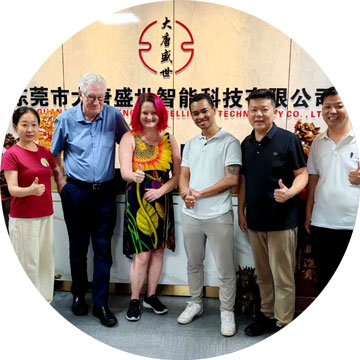
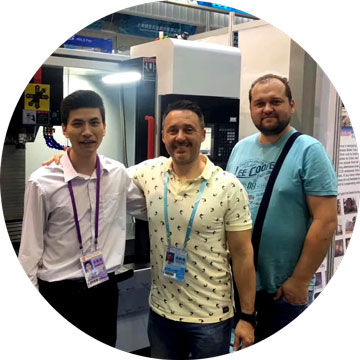
“The product quality is top – notch, the craftsmanship is exquisite, the printing effect is excellent, and the delivery speed is really fast. Overall, it offers great value for money, and I’m extremely satisfied.”


“The printing quality is really great, and the price is quite affordable. The logistics speed is also fast. All in all, DT is a trustworthy factory, and we’ll keep cooperating with them in the long run.”

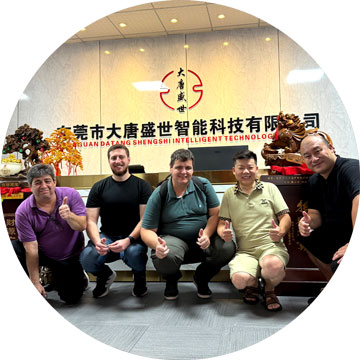
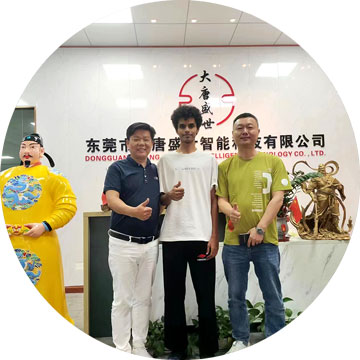
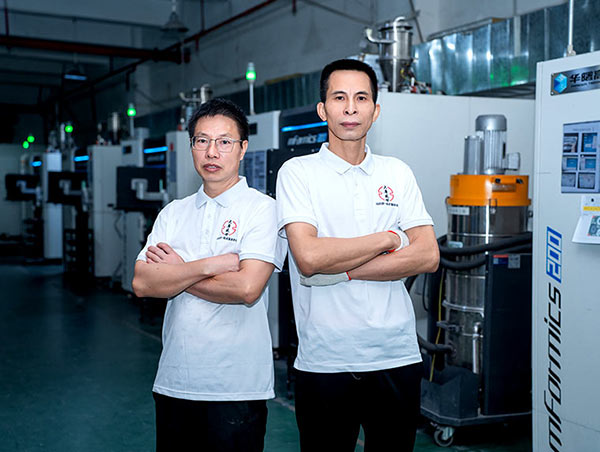
Factory Direct: lower costs & full control
Metal 3D Printing Service from a Source Factory
Metal Materials Commonly Used:
Acier inoxydable (316L/304L/17-4/347), Alliage d'aluminium (6061/AISi10Mg/7075), Alliage de titane (TC4/TA1), Acier de moule (S136/CX/1.2709), Alliage riche en nickel (GH4169/GH3128/INCONEL625), Alliage de laiton (CuCrZr/Tin Bronze)…
Metal Materials are Customizable for Bulk Printing
Why choose us?
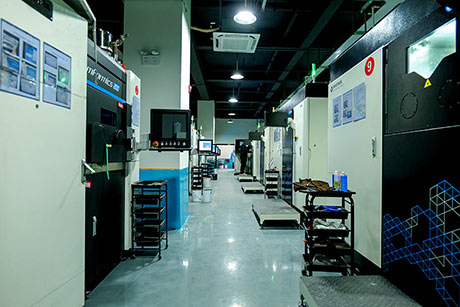
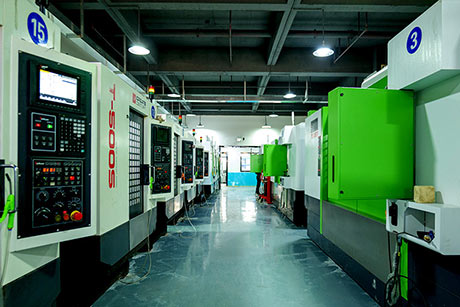
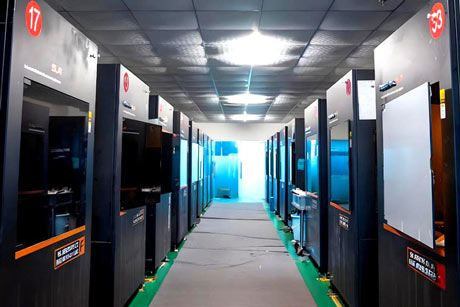
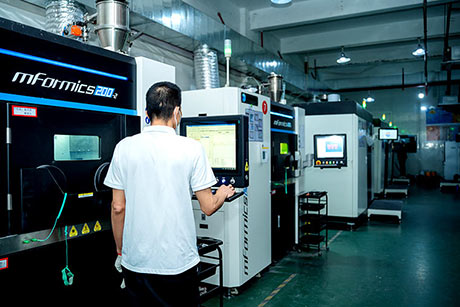
1. Source Factory: 30 SLM Metal 3D Printers, 14 CNC Machines, Dozens of Post-processing Facilities, and 60 Industrial Plastic 3D Printers, (Numbers Keep Growing…)
2. Industrial Metal 3D Printing Expertise: core team with 10+ years in 3D printing & CNC precision machining
3. One-stop 3D Printing Service: GDT / ANS / mjf / FDM / SLS / DLP / BJ
4. One-stop Manufacturing: 3D printing / CNC machining / post-processing
5. 3D Model Support: design, optimization & fixing
6. Rapid Prototyping: sample turnaround could be within 24 hours (after drawings & order confirmation)

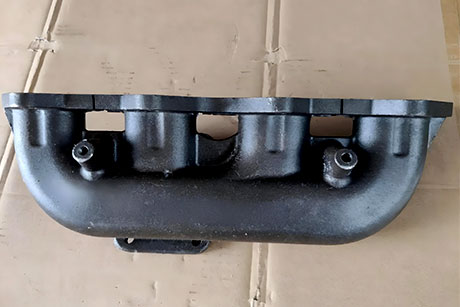
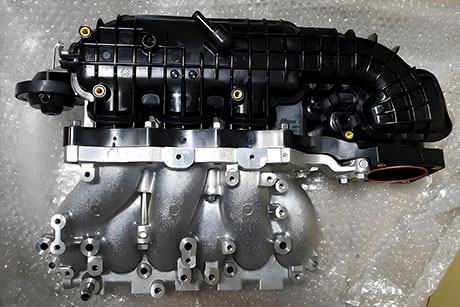
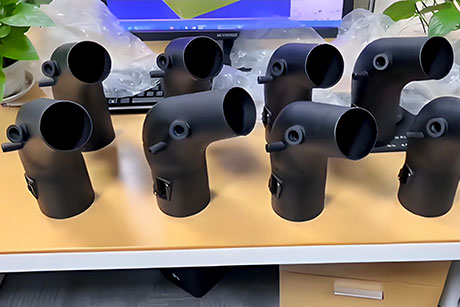
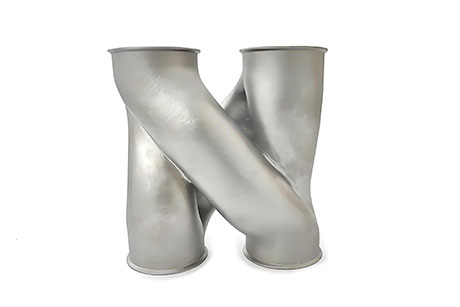
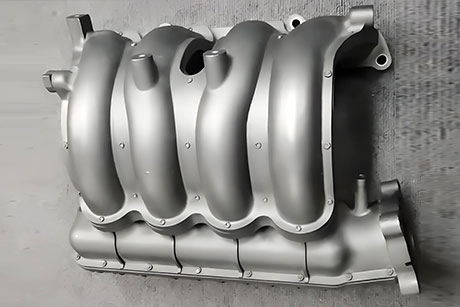
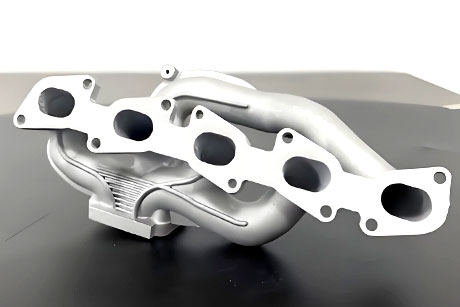
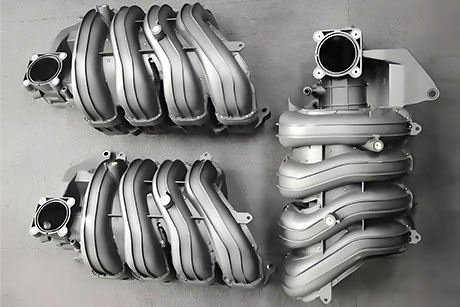
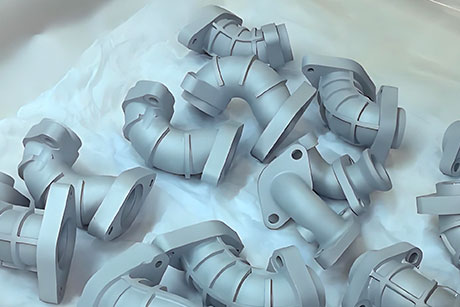
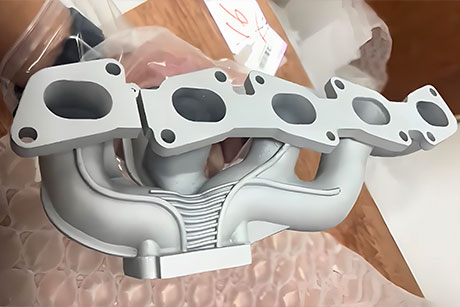
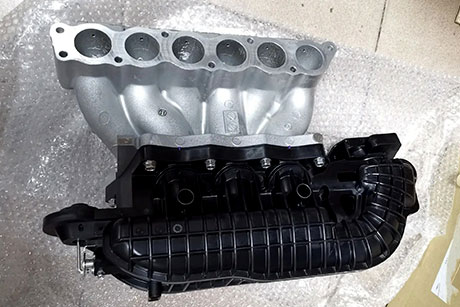
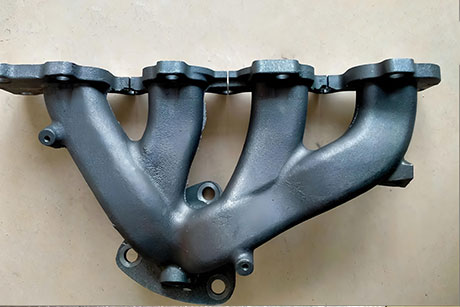
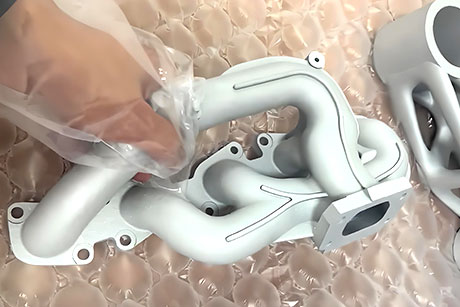
About 3D Printing Intake Manifolds and Exhaust Manifolds for Cars
There are so many advantages to choose 3D printing for Automotive Intake & Exhaust Manifolds production over traditional manufacturing.
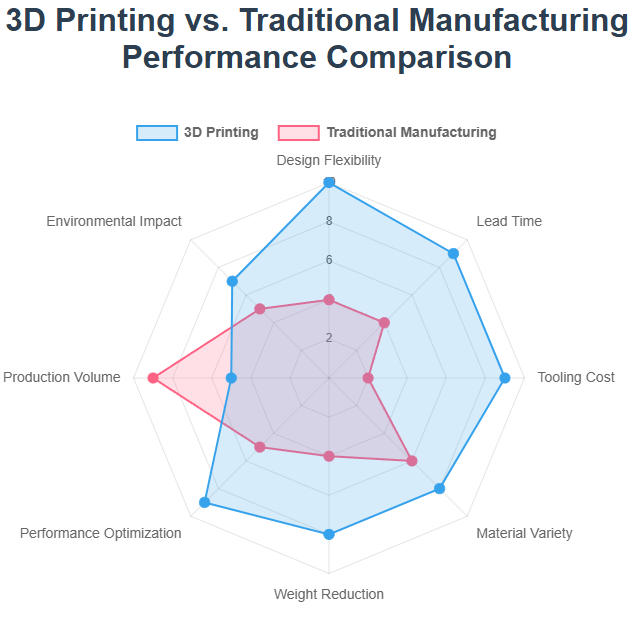
- Design Flexibility: 3D printing enables topological optimization and monolithic fabrication of complex internal channels, while traditional processes are significantly constrained by tooling and machining limitations.
- Lead Time: 3D printing eliminates tooling, reducing the prototype-to-low-volume production cycle from weeks to days. Traditional processes involve lengthy mold design and fabrication phases.
- Tooling Cost: 3D printing has near-zero tooling cost, ideal for customization and low volumes. Traditional manufacturing requires high upfront tooling investment, only cost-effective at very high volumes.
- Material Variety: 3D printing supports high-performance alloys (e.g., Inconel) and specialized composites. Traditional casting materials are mature but innovate more slowly.
- Weight Reduction: 3D printing achieves lightweighting through lattice and hollow structures. Traditional processes rely on material selection and design simplification, with limited potential.
- Performance Optimization: 3D printing allows precise control over flow path geometry and wall thickness to improve fluid dynamics. Traditional processes often require compromises between performance and manufacturability.
- Production Volume: Traditional processes hold cost and speed advantages in mass production. 3D printing is currently more suitable for low-volume, high-value applications.
- Environmental Impact: 3D printing reduces material waste and enables lightweighting for better fuel efficiency, but has higher energy consumption. Traditional processes have concentrated energy use and higher scrap rates.
We are an industrial 3D printing source factory.
We have 30 expensive SLM 3D metal printers (and the number is still increasing).
And we have 14 CNC machines and 60 plastic 3D printers.
Moreover, we have invested in six factories specializing in 3D printing and CNC finishing.
Welcome to consult.
There is no MOQ (Minimum Order Quantity) limit here, since this is what 3D printing’s advantage, and we provide Rapid Prototyping service to you.