

Lompat ke konten
  • Testimoni
  • Tur Pabrik
  • Indonesian
    • English
    • Japanese
    • French
    • German
    • Italian
    • Spanish
    • Swedish
    • Irish
    • Dutch
    • Portuguese
    • Korean
    • Greek
    • Turkish
    • Vietnamese
    • Thai
    • Indonesian
    • Malay
    • Danish
    • Finnish
    • Hindi
    • Hebrew
    • Icelandic
    • Romanian
    • Russian
DT 3D Printing Logo Baru

Layanan pencetakan 3D DT

Produsen OEM – SLM (Pencetakan 3D Logam) Para ahli

  • Beranda
  • Layanan Pencetakan 3D Logam
  • Pemesinan CNC
    • Pembubutan CNC
    • Pengerjaan CNC
    • Pasca-pemrosesan CNC
  • Panduan Materi
        • Bahan Cetak 3D dari Plastik
          • Resin (Mirip ABS, Mirip PC)
          • Nilon (PA6, PA12, TPU)
          • Lilin Merah
          • PLA, TPU, PA, Serat Karbon, PC
        • Bahan Cetak 3D Logam
          • Paduan Aluminium (6061 / AlSi10Mg / 7075)
          • Baja Tahan Karat (316L / 304L / 17-4 / 347)
          • Paduan Titanium (TC4 / TA1)
          • Baja Cetakan (S136/HB/CX/1.2709)
          • Paduan yang Kaya Nikel (GH4169 / GH3128 / INCONEL625)
          • Paduan Kuningan (CuCrZr / Tin Bronze)
        • Bahan Logam untuk CNC
          • Aluminium / Paduan / Titanium / Nikel
          • Baja Tahan Karat / Baja Perkakas / Baja Paduan
          • Baja Karbon / Kuningan / Tembaga / Perunggu
        • Bahan Plastik untuk CNC
          • ABS / Akrilik / Delrin / Nilon / PP
          • Polietilen densitas tinggi / PE / PC / PEI / ULTEM
          • Puncak / POM / TECAFORMAH
  • Layanan Lainnya
        • Solusi Industri
          • Jamur / Jamur
          • Dirgantara
          • Manifold Mobil
          • Suku Cadang Mobil
          • Suku Cadang Sepeda Motor
          • Sepeda Titanium
          • Robotika
          • Kerajinan Tangan / Hadiah
        • Plastic & Resin 3D Printing
          • SLA (Stereolitografi)
          • SLS (Selective Laser Sintering)
          • DLP (Digital Light Processing)
          • FDM (Fused Deposition Modeling)
          • MJF (Multi Jet Fusion)
          • BJ (Binder Jetting)
        • Layanan Pasca-Pemrosesan
          • Pemesinan Akhir CNC
          • Pengerjaan Permukaan
          • Anodisasi
          • Elektroplating
          • Perlakuan panas
          • HIP (Penekanan Isostatik Panas)
        • Blog
          • Pencetakan 3D Logam + Pemesinan CNC
          • 3Ide Bisnis Percetakan 3D
          • Panduan Pencetakan 3D SLM
          • Patung Cetak 3D Khusus
          • 3D Suku Cadang Sepeda Motor
          • Impeler Cetak 3D dari Logam
          • Panduan Penggunaan Printer 3D
  • Testimoni
  • Tentang DT
    • Video Tur Pabrik
    • Tur Pabrik VR
  • Hubungi kami

BJ vs. SLM: Key Differences & Full Technical 3D Printing Comparison

Diperbarui pada 19/10/2026 Oleh DT 3dprint
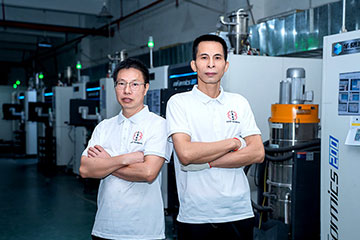
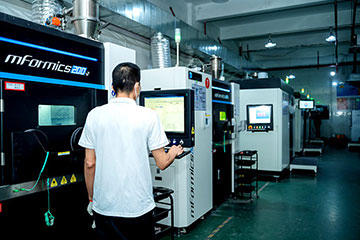
DT's Workers in Front of Our SLM Metal 3D Printers
DT’s colleagues in Front of Our SLM Metal 3D Printers
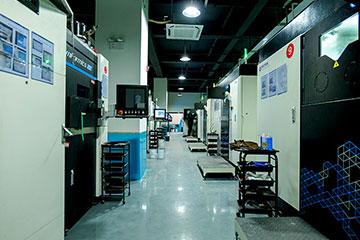
Printer 3D Logam SLM Industri di DT Factory
The Industrial SLM Metal 3D Printers in the Factory
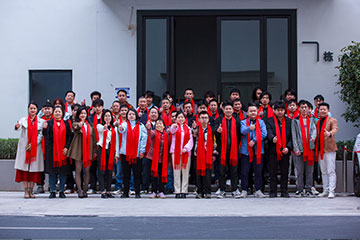
SLM metal 3D printing factory team
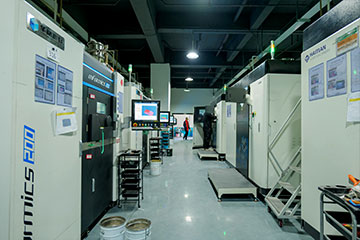
High-end industrial SLM metal 3D printers in DT's factory workshop
High-end industrial SLM metal 3D printers in DT’s factory workshop
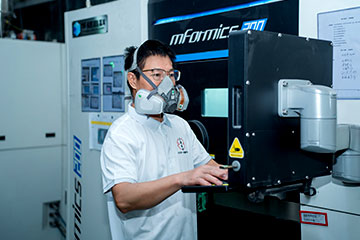
Our colleague is operating a SLM 3D printer.
Our colleague is operating a Farsoon SLM 3D printer.
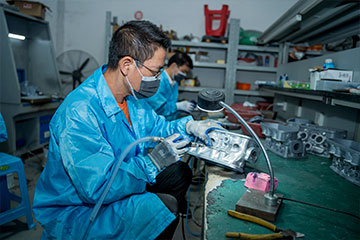
This colleague is post-processing manually
Haitian industrial SLM 3D Printers

BJ vs. SLM: Full Technical Breakdown

If you’re comparing binder jetting (BJ) dan selective laser melting (SLM) for your next 3D printing project, this side-by-side technical breakdown covers all the core specs, tradeoffs, and real-world use cases you need to know.

BJ Vs. SLM Metal 3D PrintingTechnical Comparison Guide

No marketing fluff — just straight, shop-floor-ready facts.

KategoriBinder Jetting (BJ)Selective Laser Melting (SLM)
Cara kerjanyaA roller spreads a thin layer of powder (sand, logam, ceramic, composite) across the build plate. A printhead jets liquid binder to glue particles together into a “green part.” After printing, you depowder, cure, debind, and high-temperature sinter (or infiltrate) the part to reach final strength. No melting happens during the print itself.A roller spreads metal powder, then a high-power fiber laser melts and fuses selected regions of each layer. The melt pool solidifies instantly, creating full metallurgical bonding layer by layer. Parts come out near-full density straight off the printer.
Heat source & energy inputNo dedicated heat source during printing — bonding is chemical. Sintering is a separate offline step after printing.Fiber laser is the core heat source. Local temperatures easily exceed the material’s melting point during the build.
Common materialsFoundry sand, baja tahan karat, superalloys, titanium, tungsten, silicon carbide ceramics, copper-diamond composites. Very wide material compatibility.Mostly metals: baja tahan karat, titanium, superalloys, aluminium, cobalt chrome. Ceramics are extremely difficult to process.
Part density95–99% for sintered metal/ceramic parts; can go higher with infiltration. Sand parts are designed with controlled porosity.≥99.5% near-full density. Mechanical properties are very close to wrought material.
Akurasi & permukaan akhir±0.1–0.2mm for sintered metal parts; ±0.2–0.5mm for sand molds. Surface roughness Ra 6–25μm.±0.05–0.1mm for small-to-medium parts. Surface roughness Ra 3–10μm — noticeably better as-printed.
Support requirementsThe powder bed acts as self-support. Almost no extra support material needed, even for deep internal channels, lattices, and large overhangs.Supports are required for overhangs, thin walls, and distortion-prone features to prevent collapse and thermal warping. Support removal adds labor and cost.
Speed & volume fit5–10x faster print speed than SLM. Large build plates let you nest many parts per run. Built for medium-to-high volume production.Point-by-point laser scanning is slow. Best suited for one-offs, custom work, and low-volume production.
Cost profileNo expensive laser or galvo system — machine cost is 30–50% lower than comparable SLM systems. Per-part cost drops 40–70% at volume.Lasers and optics drive high upfront machine cost. Per-part cost stays high even at moderate volumes.
Thermal stress & distortion riskNo melting = no thermal stress during printing, very low green part distortion. Sinter shrinkage is the main dimensional factor to account for.Rapid heating and cooling creates significant thermal stress. High risk of warping and microcracks without proper build orientation and post-build stress relief.
Key post-processing stepsDepowdering, debinding, high-temperature sintering. Optional infiltration, CNC finishing, or HIP.Dukungan penghapusan, depowdering, stress relief annealing. Optional finishing, penyempurnaan, or coating.
Typical use casesFoundry sand molds/cores, auto production tooling, AI chip microchannel heat sinks, refractory metal parts, aerospace ceramic components.Aerospace high-precision structural parts, implan ortopedi/gigi, conformal cooling channels in molds, complex precision functional parts.
Biggest strengthsFast, low-cost at volume, no thermal stress, support-free, works with hard-to-process materials, scalable to large build sizes.High density, forged-level mechanical properties, tight tolerances, permukaan yang sangat halus, mature certification data for regulated industries.
Key limitationsGreen parts are fragile; sinter shrinkage requires careful dimensional compensation; as-sintered mechanicals fall slightly short of wrought material.Slow, expensive, limited build size, thermal distortion risk, support removal adds time and cost.

How BJ and SLM Fit Together (And Where They Overlap)

They’re not head-to-head rivals for every job — they’re two branches of the powder bed AM family that complement each other really well.

First off, they share the same core foundation. Both build parts layer by layer from a digital model using a powder bed system. They’re the two dominant technologies for production-grade metal and advanced ceramic additive manufacturing.

On the application side, they show up in a lot of the same industries — aerospace, otomotif, medical — but target very different jobs. SLM owns the high-performance, low-volume precision work. BJ dominates faster, higher-volume, more geometrically complex parts where extreme performance isn’t the top priority.

A lot of post-processing equipment works for both. Heat treatment furnaces, Mesin CNC, polishing lines — most secondary operations are interchangeable between the two processes.

And finally, hybrid approaches are starting to catch on. Some shops will print a near-net shape fast with BJ, then use SLM to locally clad and densify high-wear surfaces. Or they’ll run BJ parts through HIP (hot isostatic pressing) to push density and mechanical properties up close to SLM levels.

3Penawaran harga instan cetak 3D

Blog

Dukungan Pelanggan
Pertanyaan yang Sering Diajukan
Modifikasi Gambar 3D Gratis
Gambar 3D Kustom Gratis (Ketersediaan Terbatas)

Pernyataan Hukum
Kebijakan Pengiriman
Kebijakan Pengembalian dan Pengembalian Dana
Pernyataan Privasi
Ketentuan Layanan
Imprint
Penafian
Kebijakan Cookie

Tentang kami
Video Tur Pabrik
Blog
Kerja sama
Tentang DT
Hubungi

YouTube Twitter TikTok Facebook Instagram Ketika LinkedIn Pinterest Reddit Medium


Hak Cipta © 2026 Layanan pencetakan 3D DT
Hak Cipta Dilindungi.


Kelola Persetujuan Cookie
Untuk memberikan pengalaman terbaik, kami menggunakan teknologi seperti cookie untuk menyimpan dan/atau mengakses informasi perangkat. Dengan menyetujui teknologi ini, kami akan dapat memproses data seperti perilaku penelusuran atau ID unik di situs ini. Tidak memberikan persetujuan atau menarik persetujuan, dapat berdampak negatif pada fitur dan fungsi tertentu.
Fungsional Selalu aktif
Penyimpanan atau akses teknis tersebut sangat diperlukan untuk tujuan yang sah, yaitu memungkinkan penggunaan layanan tertentu yang secara eksplisit diminta oleh pelanggan atau pengguna, atau semata-mata untuk tujuan melakukan transmisi suatu komunikasi melalui jaringan komunikasi elektronik.
Preferensi
Penyimpanan atau akses teknis diperlukan untuk tujuan yang sah dalam menyimpan preferensi yang tidak diminta oleh pelanggan atau pengguna.
Statistik
Penyimpanan atau akses teknis yang digunakan secara eksklusif untuk tujuan statistik. Penyimpanan atau akses teknis yang digunakan secara eksklusif untuk tujuan statistik anonim. Tanpa surat panggilan, kepatuhan sukarela dari Penyedia Layanan Internet Anda, atau catatan tambahan dari pihak ketiga, Informasi yang disimpan atau diambil hanya untuk tujuan ini biasanya tidak dapat digunakan untuk mengidentifikasi Anda.
Pemasaran
Penyimpanan atau akses teknis diperlukan untuk membuat profil pengguna guna mengirimkan iklan, atau untuk melacak pengguna di sebuah situs web atau di beberapa situs web untuk tujuan pemasaran yang serupa.
  • Kelola opsi
  • Kelola layanan
  • Kelola {jumlah_penjual} penjual
  • Baca lebih lanjut tentang tujuan-tujuan ini
Lihat preferensi
  • {Judul}
  • {Judul}
  • {Judul}