
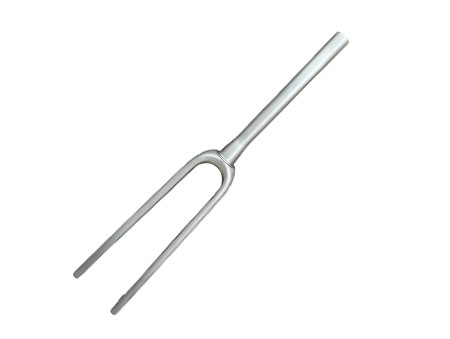

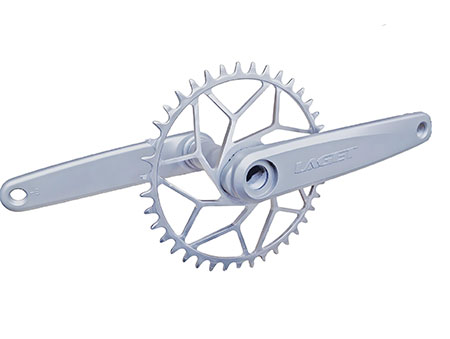
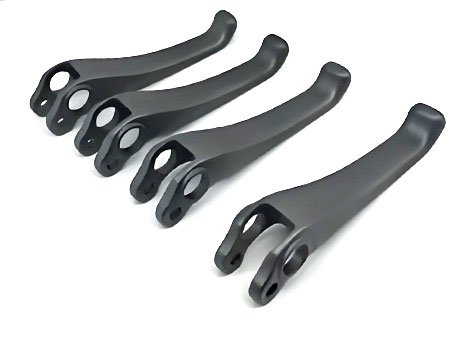
Custom 3D Printing Pedals, Lugs, Chains, Wheels & Sprockets for Bicycles
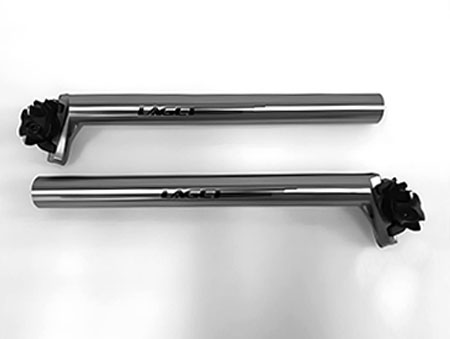
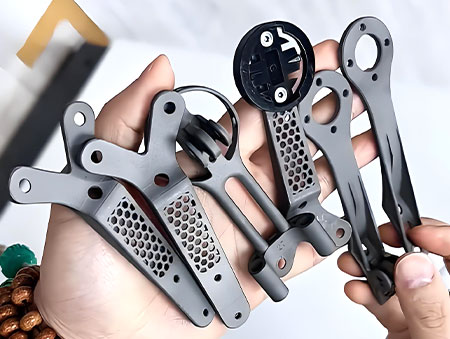
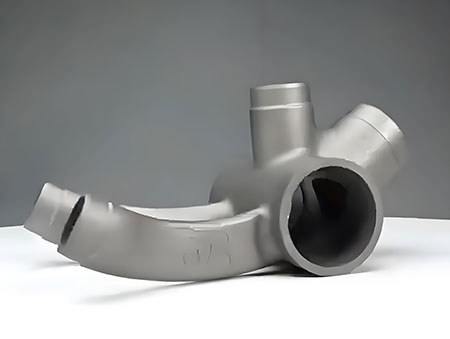
We provide premium 3D printing titanium bike part service for high-performance bicycle customization and replacement.
Our capabilities include 3D printing bike pedals, lugs, chains, wheels, sprockets and other precision components for road, gravel and custom bike builds.
Each part is lightweight, durable and fully customizable, with fast quoting and reliable production for cycling enthusiasts and manufacturers.
Omdömen från utländska B2B-kunder
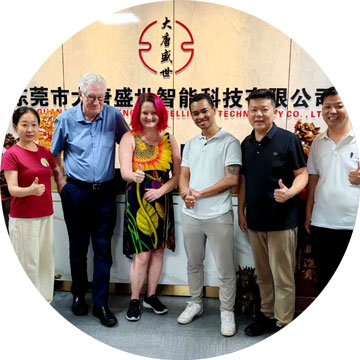
“Jag var väldigt orolig för att något hemskt skulle hända. Men efter att ha mottagit produkten, Jag insåg att min oro var helt onödig. DT 3D Printing är en mycket pålitlig fabrik med garanterad kvalitet.”
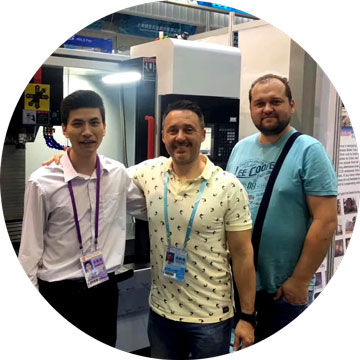
“Produktkvaliteten är förstklassig – notch, Hantverket är utsökt, tryckresultatet är utmärkt, och leveranshastigheten är verkligen snabb. Övergripande, Det ger mycket för pengarna, och jag är ytterst nöjd.”


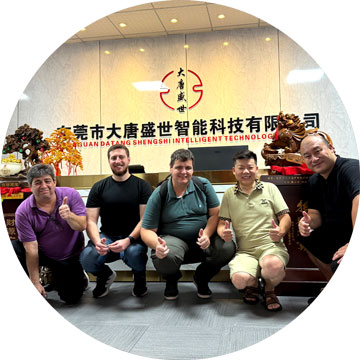
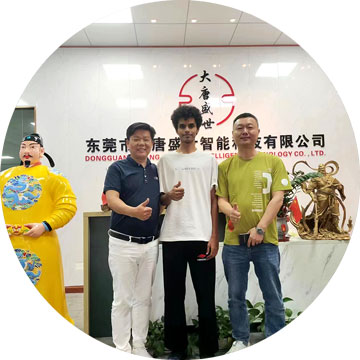
“Tryckkvaliteten är verkligen utmärkt, och priset är ganska överkomligt. Logistiken är också snabb. Sammanfattningsvis, DT är en pålitlig fabrik, och vi kommer att fortsätta samarbeta med dem på lång sikt.”




Om oss
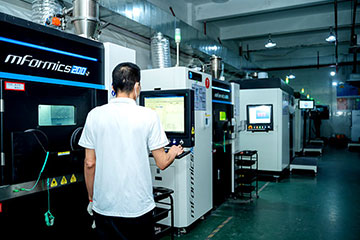
1. Vi är specialister på 3D-utskrift i metall hos SLM.
2. Vi 3D-printar metalldelar för fordonsindustrin, medicinsk, flygplan, flyg- och rymdindustrin, drönare, och båtindustrin, med material som rostfritt stål, titanium, koppar, aluminium och olika legeringar.
3. Vi erbjuder en heltäckande 3D-utskriftstjänst.
Våra tjänster omfattar:
SLM / SLA / MJF / FDM / SLS / DLP och CNC / Ytbehandling
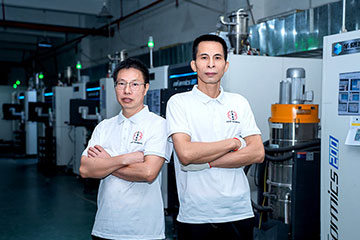
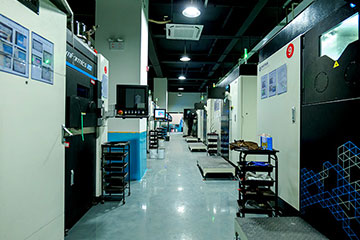
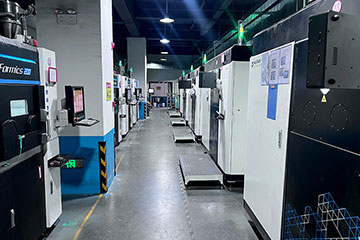
4. Vi äger 33 SLM-metall-3D-skrivare och 60 3D-skrivare för plast, och siffrorna fortsätter att växa.
5. Vi är en tillverkningspartner för många globala institutioner och företag inom 3D-utskrift.

More about 3D Printing Bike Parts and Accessories
1. The Advantages of Using 3D Printing Technology to Manufacture Bicycle Parts
When it comes to the production of bicycle parts, 3D printing technology brings a plethora of benefits.
Firstly, it offers unparalleled design flexibility. Designers are no longer constrained by traditional manufacturing limitations, enabling them to create intricate and customized geometries. This means that unique, hög – performance parts tailored to individual cyclists’ needs can be produced, enhancing both the functionality and aesthetics of the bicycle.
Secondly, 3D printing significantly reduces lead times. Unlike traditional manufacturing methods that often involve multiple steps and tooling, 3D printing can produce parts directly from a digital model. This streamlines the production process, allowing for rapid prototyping and quick production of end – use parts. In a competitive market, this speed can give manufacturers a distinct edge.
Another advantage is cost – effectiveness, especially for small – serietillverkning. Traditional manufacturing techniques typically have high setup costs for tooling, which makes small – scale production expensive. 3D-tryck, on the other hand, has no such tooling requirements, making it a more affordable option for producing a limited number of parts.
2. Commonly 3D – Printed Bicycle Parts at Present
Currently, several bicycle parts are frequently manufactured using 3D printing technology.
One of the most common is the handlebar. 3D – printed handlebars can be customized in terms of shape, grip texture, and weight, providing cyclists with a more personalized and comfortable riding experience.
The saddle is also a popular part to be 3D – tryckt. Manufacturers can create saddles with complex internal structures that offer better shock absorption and support, while also reducing weight.
Chainrings are another component that benefits from 3D printing. The technology allows for the production of chainrings with optimized tooth profiles, which can improve chain engagement and power transfer.
3. Common Materials for 3D – Printed Bicycle Parts
För 3D – printed bicycle parts, a variety of materials are in use.
Plastics are widely employed due to their lightweight nature, good durability, and relatively low cost. Materials like nylon are popular for their toughness and resistance to wear, making them suitable for parts such as pedals and small brackets.
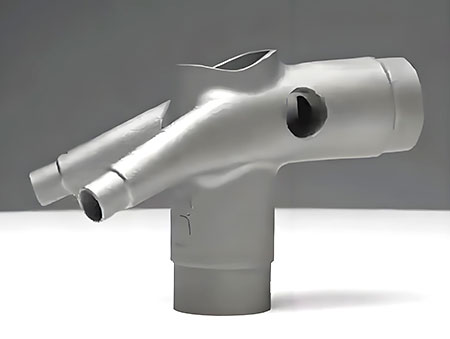
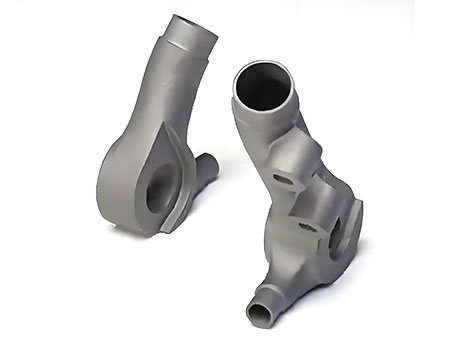
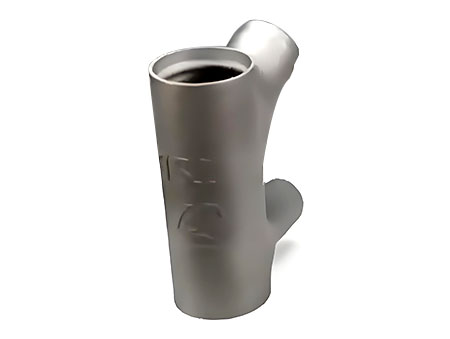
When it comes to metal materials, titanium is highly regarded. It offers an excellent strength – till – weight ratio, korrosionsbeständighet, and biocompatibility. Titanium can be used to print high – stress components like frame joints and hubs, ensuring the bicycle’s structural integrity while keeping the weight down.
Aluminum is another common metal material. It is lightweight, has good thermal conductivity, and is relatively easy to 3D – print. Aluminum is often used for parts where weight reduction is crucial, such as handlebars and wheels.
4. Frequently Used 3D Printing Technologies for Bicycle Part Manufacturing
At present, several 3D printing technologies are commonly used in the production of bicycle parts. Selektiv lasersmältning (SLM) is popular for metal parts, and SLM is precisely the technology we excel at. It uses a high – power laser to melt and fuse metal powder layer by layer, creating dense, hög – strength components. This technology is ideal for manufacturing parts like titanium frame joints and aluminum hubs.
Fused Deposition Modeling (FDM) is widely used for plastic parts. It extrudes molten plastic filament through a nozzle, depositing it layer by layer to build the part. FDM is cost – effektivt, easy to operate, and suitable for producing a wide range of plastic components, such as nylon – based pedals.
Stereolitografi (SLA) is also utilized, especially for creating parts with high – resolution and smooth surfaces. It cures liquid resin layer by layer using a UV laser, which is beneficial for manufacturing parts like saddles where a comfortable and smooth surface is essential.
Vår styrka ligger i SLM-metallutskrift, som vi har 33 high-end SLM 3D metal printers (och antalet fortsätter att växa).
When 3D printing bicycles, the commonly used materials include titanium alloy, rostfritt stål, aluminiumlegering, etc.
Välkommen att rådfråga oss.
Det finns ingen minsta beställningsmängd (MOQ). (Minsta beställningsmängd) begränsa här. Vi kan skräddarsy även en enda text åt dig.