
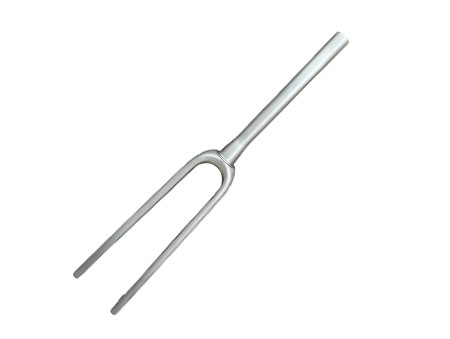

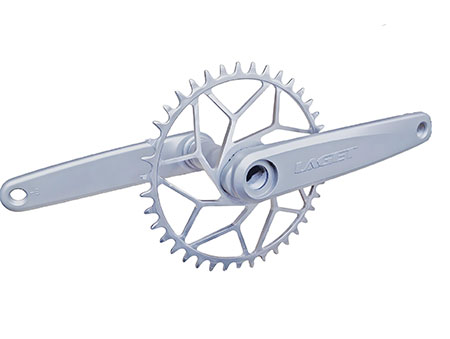
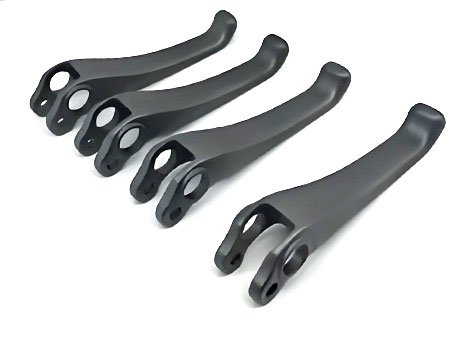
Custom 3D Printing Pedals, Lugs, Chains, Wheels & Sprockets for Bicycles
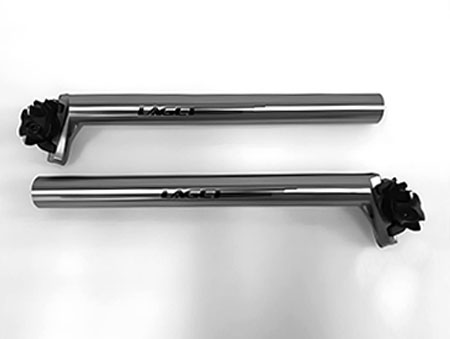
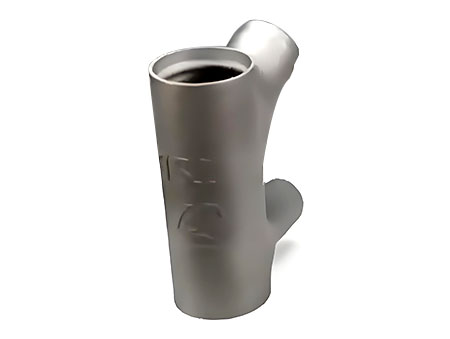
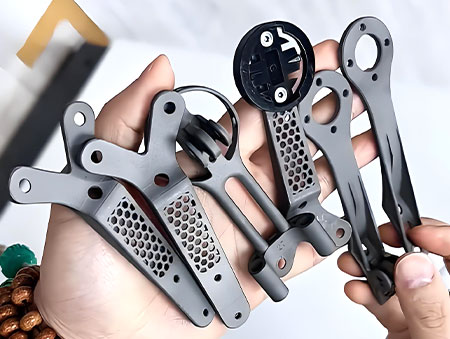
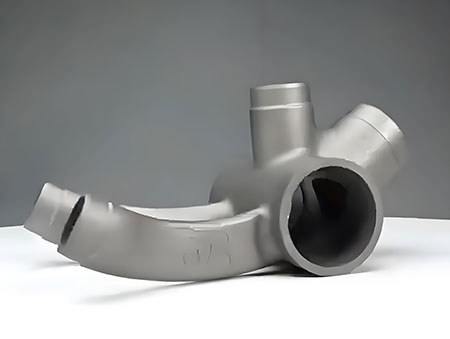
We provide premium 3D printing titanium bike part service for high-performance bicycle customization and replacement.
Our capabilities include 3D printing bike pedals, lugs, chains, колеса, sprockets and other precision components for road, gravel and custom bike builds.
Each part is lightweight, durable and fully customizable, with fast quoting and reliable production for cycling enthusiasts and manufacturers.
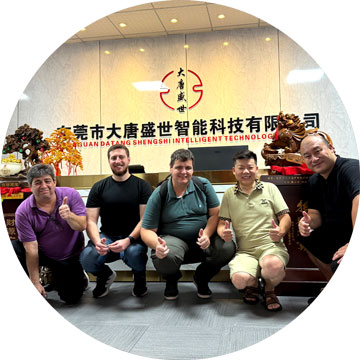
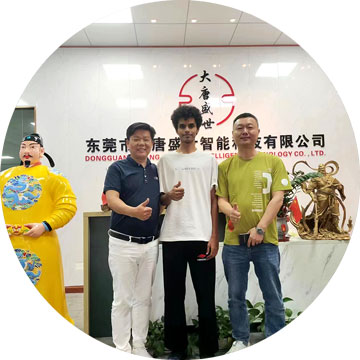
Отзывы зарубежных B2B-клиентов
“Я очень боялся, что случится что-то плохое. Но после получения товара, Я понял, что мои опасения были совершенно напрасны. DT 3D Printing — это очень надежный завод с гарантированным качеством.”
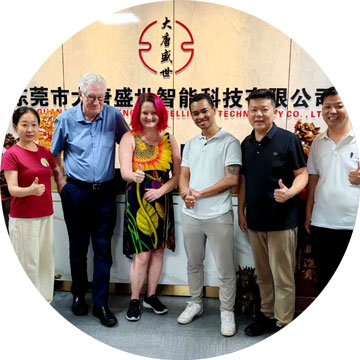
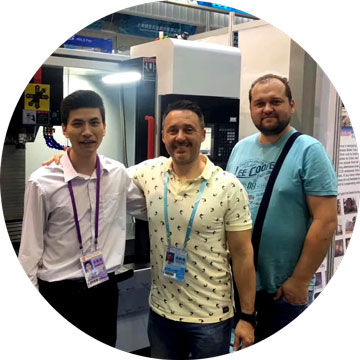
“Качество продукта на высшем уровне – notch, мастерство исполнения просто восхитительно, качество печати отличное, а доставка происходит очень быстро. В целом, это отличное соотношение цены и качества, и я очень доволен.”
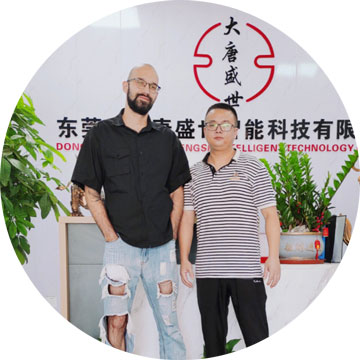
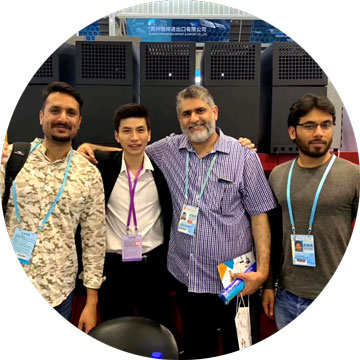
“Качество печати просто отличное, и цена вполне доступная. Скорость доставки тоже высокая. В общем, DT — это надежный завод, и мы будем продолжать с ними сотрудничать в долгосрочной перспективе.”




О нас
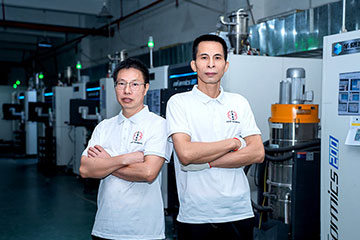
1. Мы — специалисты по 3D-печати металлом SLM.
2. Мы печатаем металлические детали для автомобильной промышленности на 3D-принтере, медицина, самолет, аэрокосмическая отрасль, дрон, и судостроительной отрасли, с использованием таких материалов, как нержавеющая сталь, титан, медь, алюминий и виды сплавов.
3. Мы предлагаем комплексные услуги по 3D-печати.
Наши услуги включают:
SLM / SLA / MJF / FDM / SLS / DLP и ЧПУ / Отделка поверхности
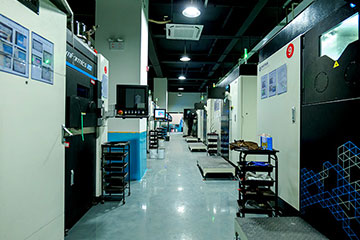
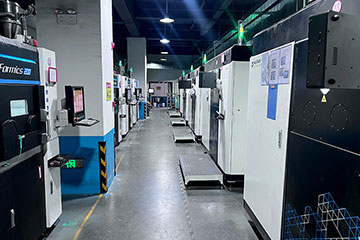
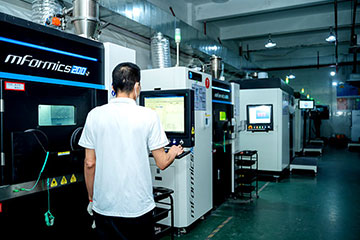
4. Мы владеем 33 3D-принтеры SLM metal и 60 3D-принтеры для печати на пластике, и цифры продолжают расти.
5. Мы — поставщик для многих мировых организаций и компаний, занимающихся 3D-печатью.

More about 3D Printing Bike Parts and Accessories
1. The Advantages of Using 3D Printing Technology to Manufacture Bicycle Parts
When it comes to the production of bicycle parts, 3D printing technology brings a plethora of benefits.
Firstly, it offers unparalleled design flexibility. Designers are no longer constrained by traditional manufacturing limitations, enabling them to create intricate and customized geometries. This means that unique, высокий – performance parts tailored to individual cyclists’ needs can be produced, enhancing both the functionality and aesthetics of the bicycle.
Secondly, 3D printing significantly reduces lead times. Unlike traditional manufacturing methods that often involve multiple steps and tooling, 3D printing can produce parts directly from a digital model. This streamlines the production process, allowing for rapid prototyping and quick production of end – use parts. In a competitive market, this speed can give manufacturers a distinct edge.
Another advantage is cost – effectiveness, especially for small – batch production. Traditional manufacturing techniques typically have high setup costs for tooling, which makes small – scale production expensive. 3D-печать, on the other hand, has no such tooling requirements, making it a more affordable option for producing a limited number of parts.
2. Обычно 3D – Printed Bicycle Parts at Present
Currently, several bicycle parts are frequently manufactured using 3D printing technology.
One of the most common is the handlebar. 3D – printed handlebars can be customized in terms of shape, grip texture, and weight, providing cyclists with a more personalized and comfortable riding experience.
The saddle is also a popular part to be 3D – распечатать. Manufacturers can create saddles with complex internal structures that offer better shock absorption and support, while also reducing weight.
Chainrings are another component that benefits from 3D printing. The technology allows for the production of chainrings with optimized tooth profiles, which can improve chain engagement and power transfer.
3. Типичные материалы для 3D – Printed Bicycle Parts
Для 3D – printed bicycle parts, a variety of materials are in use.
Plastics are widely employed due to their lightweight nature, good durability, and relatively low cost. Materials like nylon are popular for their toughness and resistance to wear, making them suitable for parts such as pedals and small brackets.
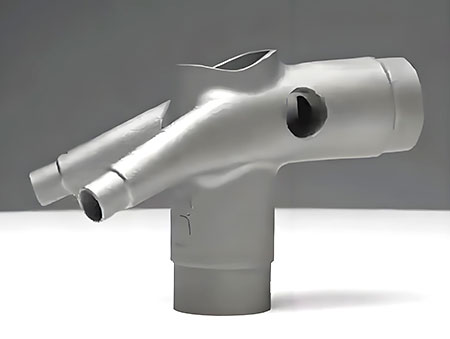
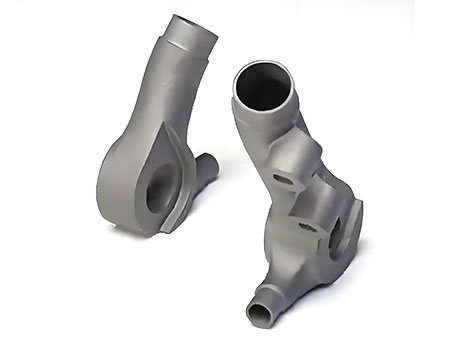
When it comes to metal materials, titanium is highly regarded. It offers an excellent strength – к – weight ratio, corrosion resistance, and biocompatibility. Titanium can be used to print high – stress components like frame joints and hubs, ensuring the bicycle’s structural integrity while keeping the weight down.
Aluminum is another common metal material. It is lightweight, has good thermal conductivity, and is relatively easy to 3D – print. Aluminum is often used for parts where weight reduction is crucial, such as handlebars and wheels.
4. Frequently Used 3D Printing Technologies for Bicycle Part Manufacturing
At present, several 3D printing technologies are commonly used in the production of bicycle parts. Селективное лазерное плавление (SLM) is popular for metal parts, and SLM is precisely the technology we excel at. Здесь используется высокий – power laser to melt and fuse metal powder layer by layer, creating dense, высокий – strength components. This technology is ideal for manufacturing parts like titanium frame joints and aluminum hubs.
Моделирование методом наплавления (FDM) is widely used for plastic parts. It extrudes molten plastic filament through a nozzle, depositing it layer by layer to build the part. FDM is cost – эффективный, easy to operate, and suitable for producing a wide range of plastic components, such as nylon – based pedals.
Стереолитография (SLA) is also utilized, especially for creating parts with high – resolution and smooth surfaces. It cures liquid resin layer by layer using a UV laser, which is beneficial for manufacturing parts like saddles where a comfortable and smooth surface is essential.
Наше преимущество — печать на металле SLM, как у нас 33 high-end SLM 3D metal printers (и это число продолжает расти).
When 3D printing bicycles, the commonly used materials include titanium alloy, нержавеющая сталь, алюминиевый сплав, и т. д..
Приглашаем к консультации.
Минимального объема заказа нет (Минимальный объем заказа) ограничение здесь. Мы можем адаптировать для тебя даже один текст.