



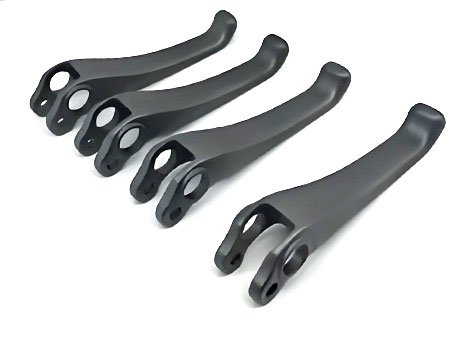
Custom 3D Printing Pedals, Lugs, Chains, Wheels & Sprockets for Bicycles
We provide premium 3D printing titanium bike part service for high-performance bicycle customization and replacement.
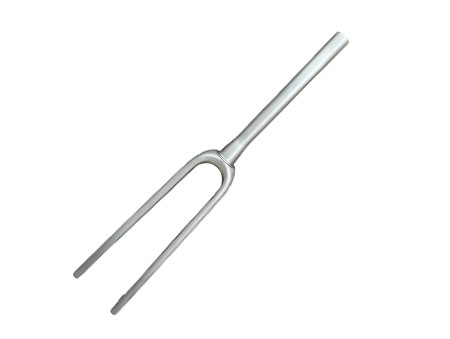
Our capabilities include 3D printing bike pedals, lugs, chains, wheels, sprockets and other precision components for road, gravel and custom bike builds.
Each part is lightweight, durable and fully customizable, with fast quoting and reliable production for cycling enthusiasts and manufacturers.
해외 B2B 고객들의 추천사

“무슨 안 좋은 일이 생길까 봐 정말 걱정되었습니다. 하지만 제품을 수령한 후, 제 걱정은 전혀 불필요한 것이었음을 알게 되었습니다. DT 3D Printing은 품질이 보장된 매우 신뢰할 수 있는 공장입니다.”


“제품 품질은 최고입니다 – notch, 장인 정신이 돋보입니다, 인쇄 효과가 훌륭합니다, 배송 속도가 정말 빠릅니다. 전체적으로, 가격 대비 훌륭한 가치를 제공합니다, 그리고 저는 매우 만족합니다.”


“인쇄 품질이 정말 훌륭합니다, 그리고 가격은 꽤 합리적입니다. 물류 처리 속도도 빠릅니다. 종합하자면, DT는 신뢰할 수 있는 공장입니다, 그리고 앞으로도 그들과 지속적으로 협력해 나갈 것입니다.”



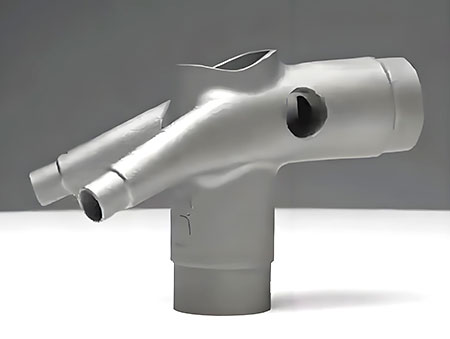
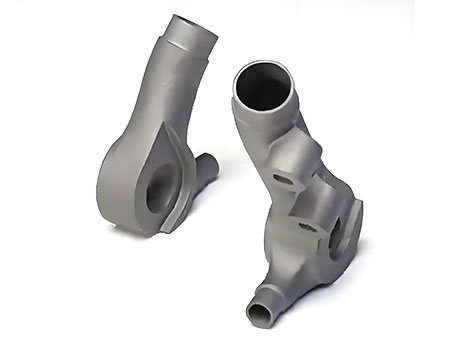

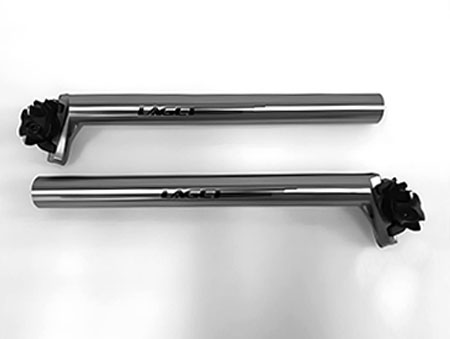


회사 소개
1. We are a professional metal 3D printing manufacturer.
2. 당사는 자동차용 금속 부품을 3D 프린팅합니다., 의료, 항공기, 항공우주, 드론, 및 선박 산업, 스테인리스강과 같은 재료를 사용하여, 티타늄, 구리, 알루미늄과 합금의 종류.
3. 원스톱 3D 프린팅 서비스를 제공합니다.
당사의 서비스에는 다음이 포함됩니다:
SLM / BJ / SLA / MJF / FDM / SLS / DLP, CNC machining and post-processing
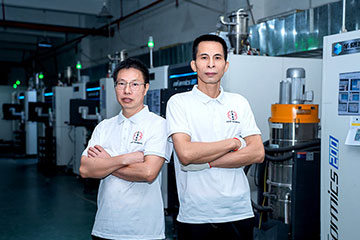
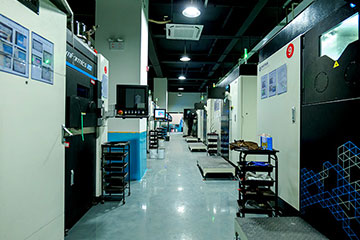
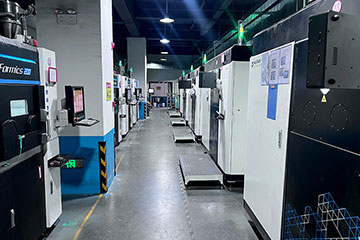
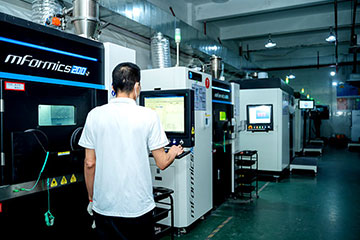
4. 저희는 33 SLM 금속 3D 프린터, 14 CNC machining tools, 60 플라스틱 3D 프린터, 50 BJ 3D printers (owned by another company in which DT has invested), 그리고 그 숫자는 계속 늘어나고 있습니다.
5. We are a source factory for many global 3D printing service providers.
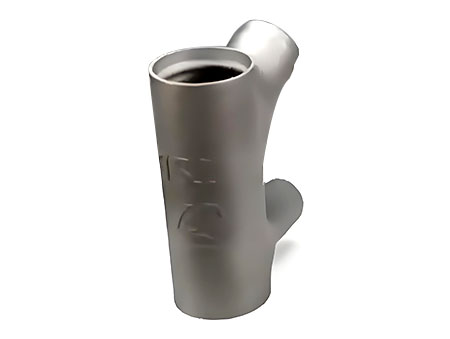

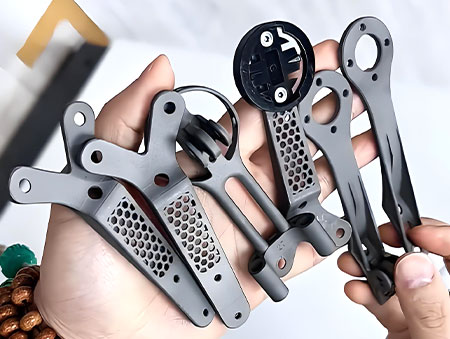
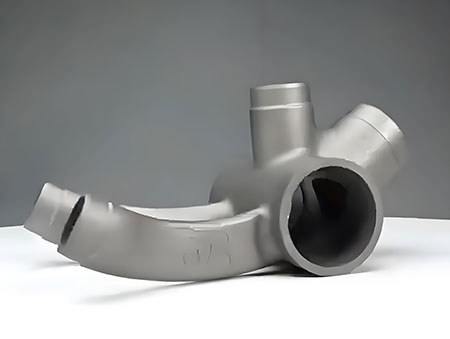
More about 3D Printing Bike Parts and Accessories
1. The Advantages of Using 3D Printing Technology to Manufacture Bicycle Parts
When it comes to the production of bicycle parts, 3D printing technology brings a plethora of benefits.
Firstly, it offers unparalleled design flexibility. Designers are no longer constrained by traditional manufacturing limitations, enabling them to create intricate and customized geometries. This means that unique, high – performance parts tailored to individual cyclists’ needs can be produced, enhancing both the functionality and aesthetics of the bicycle.
Secondly, 3D printing significantly reduces lead times. Unlike traditional manufacturing methods that often involve multiple steps and tooling, 3D printing can produce parts directly from a digital model. This streamlines the production process, allowing for rapid prototyping and quick production of end – use parts. In a competitive market, this speed can give manufacturers a distinct edge.
Another advantage is cost – effectiveness, especially for small – batch production. Traditional manufacturing techniques typically have high setup costs for tooling, which makes small – scale production expensive. 33D 프린팅, on the other hand, has no such tooling requirements, making it a more affordable option for producing a limited number of parts.
2. Commonly 3D – Printed Bicycle Parts at Present
Currently, several bicycle parts are frequently manufactured using 3D printing technology.
One of the most common is the handlebar. 3D – printed handlebars can be customized in terms of shape, grip texture, and weight, providing cyclists with a more personalized and comfortable riding experience.
The saddle is also a popular part to be 3D – printed. Manufacturers can create saddles with complex internal structures that offer better shock absorption and support, while also reducing weight.
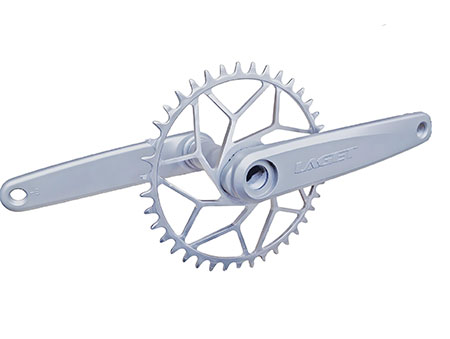
Chainrings are another component that benefits from 3D printing. The technology allows for the production of chainrings with optimized tooth profiles, which can improve chain engagement and power transfer.
3. Common Materials for 3D – Printed Bicycle Parts
For 3D – printed bicycle parts, a variety of materials are in use.
Plastics are widely employed due to their lightweight nature, good durability, and relatively low cost. Materials like nylon are popular for their toughness and resistance to wear, making them suitable for parts such as pedals and small brackets.
When it comes to metal materials, titanium is highly regarded. It offers an excellent strength – 로 – 중량 비율, corrosion resistance, and biocompatibility. Titanium can be used to print high – stress components like frame joints and hubs, ensuring the bicycle’s structural integrity while keeping the weight down.
Aluminum is another common metal material. It is lightweight, has good thermal conductivity, and is relatively easy to 3D – print. Aluminum is often used for parts where weight reduction is crucial, such as handlebars and wheels.
4. Frequently Used 3D Printing Technologies for Bicycle Part Manufacturing
At present, several 3D printing technologies are commonly used in the production of bicycle parts. 선택적 레이저 용융 (SLM) is popular for metal parts, and SLM is precisely the technology we excel at. It uses a high – power laser to melt and fuse metal powder layer by layer, creating dense, high – strength components. This technology is ideal for manufacturing parts like titanium frame joints and aluminum hubs.
용융 적층 성형 (FDM) is widely used for plastic parts. It extrudes molten plastic filament through a nozzle, depositing it layer by layer to build the part. FDM is cost – 효과적인, easy to operate, and suitable for producing a wide range of plastic components, such as nylon – based pedals.
스테레오리소그래피 (SLA) is also utilized, especially for creating parts with high – resolution and smooth surfaces. It cures liquid resin layer by layer using a UV laser, which is beneficial for manufacturing parts like saddles where a comfortable and smooth surface is essential.
저희의 강점은 SLM 금속 프린팅에 있습니다, 우리가 가지고 있는 것처럼 33 high-end SLM 3D metal printers (그리고 그 숫자는 여전히 증가하고 있습니다).
When 3D printing bicycles, the commonly used materials include titanium alloy, 스테인리스 스틸, 알루미늄 합금, 등.
상담에 오신 것을 환영합니다.
최소 주문 수량(MOQ)은 없습니다. (최소 주문 수량) 여기까지. 단 한 건의 콘텐츠라도 고객님께 맞춰 맞춤 제작해 드립니다..