



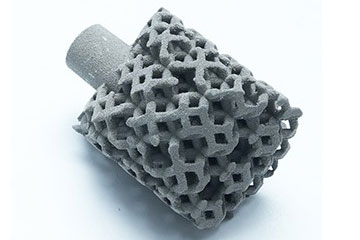
| 측면 | 설명 |
|---|---|
| 기술명 | 바인더 분사 (BJ) |
| 기본원리 | 액체 결합제는 산업용 프린트헤드에 의해 분말 재료의 얇은 층에 선택적으로 증착됩니다. (예를 들어, 궤조, 도예, 모래), 입자를 층별로 결합하여 3D 물체를 형성합니다.. |
| 사용된 재료 |
궤조: 스테인레스 스틸, 인코넬, 구리, 티탄, 청동 기반 합금. 도예: 규토, 알루미나, 지르코니아, 인산칼슘. 폴리머: 나일론, PMMA (폴리메틸메타크릴레이트). 모래: 주조 주형용 모래. 복합재: 금속-세라믹 또는 폴리머-세라믹 하이브리드. |
| 프로세스 워크플로 | 1. 파우더층을 펴 바르고 → 2. 입자를 결합하기 위한 프린트헤드 제트 바인더 → 3. 낮은 빌드 플랫폼 → 4. 객체가 완성될 때까지 반복 → 5. 후처리 (경화, 소결, 아니면 침투) 필요할 수 있습니다. |
| 주요 장점 |
– 대량 생산을 위한 빠른 속도와 확장성. – 다른 3D 프린팅 방법에 비해 저렴한 비용. – 지원 구조가 필요하지 않습니다.. – 컬러바인더를 이용한 풀컬러 인쇄 가능. – 폭넓은 재료 호환성 (궤조, 도예, 폴리머, 모래). |
| 일반적인 응용 |
– 항공우주 및 자동차 산업을 위한 금속 부품. – 세라믹 부품 (예를 들어, 압형, 의료기기). – 주조용 모래주형. – 풀컬러 프로토타입 및 건축 모델. |
| 제한 사항 |
– 부품에 후처리가 필요할 수 있음 (예를 들어, 소결) 완전한 밀도와 강도를 위해. – 레이저 기반 방법보다 표면 마감이 더 거칠 수 있습니다.. – 분말 입자 크기로 인해 최소 특징 해상도가 제한됨. |
| 역사적 맥락 | 1990년대 초 MIT에서 발명되었으며 나중에 Z Corporation과 같은 회사에서 상용화되었습니다. (3D 시스템즈에 인수됨) 그리고 엑스원. |